
Reiki
Reiki Frequently Asked Questions
6 Ways Reiki Could Help You Reduce Stress
5 Ways Reiki Could Help You Improve Your Sleep
Using Reiki to Support Your Emotional Well-being
The Value of Reiki to Support Your Well-being
The Potential of Reiki to Support Your Health
5 Ways Reiki Could Help You Improve Your Sleep
Finding The Right Reiki Practitioner for You
Viewing Reiki from A Personal Growth Perspective
Viewing Reiki from a Healing Perspective
Viewing Reiki from a Spiritual Perspective
Is Reiki Safe during Pregnancy?
Reiki Courses
Finding The Right Reiki Course & Teacher for You
How to Find Authentic Japanese Usui Reiki Courses
What’s the Best Reiki Course for Beginners?
Jikiden Reiki & Western Reiki, What’s the Difference?
Is There Such A Thing As ‘Styles’ of Reiki?
Are Online Reiki Courses A Good Idea?
Accredited Reiki Courses in the UK
Attend Both Reiki Courses Together or Separately?
What Training Do I Need to be a Professional Reiki practitioner?
Reiki Practitioners
Jikiden Reiki for those Already Trained in Reiki
10 Benefits of Attending Reiki Student Workshops
When Repeating Your Reiki Training is Helpful
Recommended Reiki Book- ‘This is Reiki’
Recommended Reiki book-’Light on the Origins of Reiki
Recommended Reiki Book- ‘Reiki and Japan’
Recommended Reiki Book- ‘The Hayashi Reiki Manual’
Recommended Reiki Book- ’One with Reiki’
Recommended Reiki Book- ‘Women in Reiki’
Why Reiki Practitioners Need a Business Course
Guide to Buying a Therapy Bed for Reiki
Anatomy, Physiology, and Pathology Book for Reiki
Marketing for Reiki Practitioners
How to Build A Successful Reiki Practice
Benefits of Joining the Jikiden Reiki UK Association
Should I Become A Verified Reiki Practitioner?
3 Tips for Becoming A Professional Reiki Practitioner in the UK
Below are 3 quick tips to consider, which are taken from the ‘Ultimate Survival Guide for Solo Reiki Practitioners’. I have created these tips and published them there to help those looking to become a professional Reiki practitioner.
Below are 3 quick tips to consider, which are taken from the ‘Ultimate Survival Guide for Solo Reiki Practitioners’, which is one of the supporting resources to the main 'How to Build a Successful Reiki Business' course. The survival guide alone covers 25 tips. Below are 3 of them in a condensed format, which are expanded in the resource itself. I have created these tips and published them there to help those looking to become a professional Reiki practitioner.
Tip 1. Know what animal you have
This tip is about understanding the ‘animal’ of self-employment. I was thinking about different animals eating different things, having different care needs, and needing to be managed in different ways. What I have noticed is that many approach self-employment as if it were employment. It’s a very different animal indeed, and you need to understand that. If you approach self-employment with the skills and mentality of employment, as I’m using animal references here, you might get bitten!
As an animal, you could think of Self-employment, well, as it’s an S, how about a snake? I’m thinking of a cobra. It’s not something you want to turn your back on or leave unattended for too long. You might feed it a big meal, then that’s it for a few days (variability in income). However, on the plus side, it’s extremely fast and can change direction in the blink of an eye. It can go along the ground, water, or up a tree. You can survive and thrive in a more local area. So, we can think of it as being able to adapt to a more targeted local market when an opportunity or a change in your market presents itself. Decisions can be made and implemented in the afternoon, not take a month. It’s on its own, so you are not held back or limited by the conciseness of the masses of an organisation. As you are completely self-reliant, if you get ill, you don't have others to cover you. As a Cobra, it could cause you problems, but you won’t see it coming if you are not attentive and aware of what animal you have.
If we think of an Employment as an E, yes, you guessed it, an Elephant. It’s pretty fast, but not as agile as a snake. Changes in direction would take a bit longer, plus it would need to check in with the herd and get permission for decisions. You feed it grass, let’s think of that as steady ‘grazing’ (money coming in regular and steady). It too could kill you, but you would likely see it coming and be able to avoid it. It needs to cover a wide area (so it is less honed in on local issues and opportunities). If it got injured, the herd would try to help support it and take some of the load from it (cover your workload if you’re off sick). This comparison has been a more light-hearted view; however, the biggest danger is trying to look after a snake as if it were an elephant. You can wave grass in front of it if you wish, but I would not advise it. So, the take-home point here is just to understand the position you are in, with both its advantages and its disadvantages as a solo Reiki practitioner. There is a ton of useful guidance to help you navigate this in the Building a Successful Reiki Business Course.
Tip 2. Create your Reiki business to your strengths, not your weaknesses
I believe that operating in your areas of strength is such an important point and a key to success in any area of life. I find this topic fascinating, and it baffles me why we don’t see it more in how we do things generally. We see this most nowadays in entrepreneurial and forward-thinking businesses. However, a great way to see it in a physical sense is in sports. A sprinter is great at 100m and 200m events, pretty reasonable at 400m, maybe a long jump, but then as they go into a 1500m race, it goes downhill fast, and on the 10,000m race, well, they would probably refuse to do it.
So, if you want to perform well in anything, lean towards your natural skill areas and away from weak areas. We all have different skills, ways of thinking, and ways we operate. Some can be grouped by characteristics in things like personality profiles, and others are more unique to us. Yet in so much of what we do, we try to do it in the same way as everyone else; please do not. So, in this context, what other Reiki practitioners do.
I think this way of thinking is nuts. You end up with everyone in an average range, their uniqueness dumbed down. A key consideration is that, as self-employed sole practitioners, we will need to operate in areas outside our natural skills, as we are trying to do everything on our own. However, I am saying as much as you can, to set things up to operate in your areas of skills and delete, or outsource areas that are not.
As an example, I am good at creating, have a very strong strategic rational mind, and think in the big picture, and am very solution-focused, the deep and meaningful interests me. So mentoring, coaching, and teaching in smaller groups or 1-1, settings is more natural for me. I am also very introverted as well, so busy social gatherings can drain me. So, if I want to promote something in person, I would tend to create a relaxed small group talk or workshop, which is very similar to a small teaching or coaching environment. Or speak to people 1-1 and answer their questions, not running around on some business network circuit.
There is a difference between stretching out of your comfort zone and something just not being the right way for you. It’s your Reiki Practice- so please set it up in a way that will work for you. I help you do this in modules 1-3 in the Building a Successful Reiki Business Course.
3. Rise above the Concept of Competition
This challenges our perception of lack, of limited supply. It can sometimes seem that everyone is selling Reiki treatments to what seems to be a limited pool of the public that is looking for Reiki treatment sessions. So how do you stand out? It’s understandable in this situation that feelings of competition can creep in. Added to this, many views around business are competition-focused. On one hand, we have looming bills to pay, and on the other hand, we have our Reiki view of the world of harmony, love, and more cooperation. So how do we get this all to match up and thrive in a manner that feels right and doesn’t jar our sense of ‘living Reiki’ or oneness?
For a start, try not to accept the idea of competition. Easy to do when it’s all going well, harder when it’s not, but it is a choice. As soon as I think I have let go of the idea of competition, the universe will test if I’m serious. Which might be a challenge or something where retreating into competition would be the easier thing to do. This topic is something those of us who are Reiki teachers have a double helping of. I advise most of my Reiki treatment clients to take Reiki training. When telling people about what I do, those who are business coaches or run businesses, especially in a more traditional or corporate sense, think the business model or concept of what I do is flawed from the start. “Why would you do that?” they say.
The business courses I have created for you are an example of this. Those that I have trained to be Reiki practitioners in the first place in the area I work, can then have access to a road map of how to do this themselves. All the business course series can be purchased for a relatively small amount (for those who have purchased or delivered quality coaching programmes, this information would be worth over £1000 easily). Trust me, it would be much easier to just deliver more Reiki treatments. So, for me, this is more living expansively, like expansion and positive impact in action. I do not fear competition, and I would encourage you to move beyond it in your own Reiki practice. Don’t worry too much about what everyone else is doing, or you can be pulled into making decisions based on what others are doing. I cover this topic in more detail and provide ideas of how to navigate it in my Effective Marketing Made Easy for Reiki Practitioners course.
If you have found any of these tips interesting, have a look at my comprehensive Reiki business courses specifically designed for professional Reiki practitioners, where you can find more.

I am mainly known nowadays for my work with Reiki, as a specialist in authentic Japanese Reiki. I am an experienced, Reiki teacher and practitioner with a proven track record of results. I offer Jikiden Reiki training courses, promoting authentic Japanese Reiki teachings. I am based in Sutton Coldfield, Birmingham, in the UK. I have a background in coaching and training in the areas of exercise coaching, holistic lifestyle, fitness, and performance coaching. I also have a BSc.(Hons) degree in Sport and Exercise Science, for more information visit: www.shaunmckeown.com
The information contained above is provided for information purposes only. The contents of this article are not intended to amount to advice and you should not rely on any of the contents of this article. Professional advice should be obtained before taking or refraining from taking any action as a result of the contents of this article. Shaun Mckeown, disclaims all liability and responsibility arising from any reliance placed on any of the contents of this article.
7 Common Mistakes Professional Reiki Practitioners Make When Starting.
In this quick-fire article, where I list 7 common mistakes Reiki practitioners make when starting professionally offering Reiki treatments to the public. I have also added a tip to avoid each of these mistakes for you.
In this quick-fire article, where I list 7 common mistakes Reiki practitioners make when starting professionally offering Reiki treatments to the public. I have also added a tip to avoid each of these mistakes for you.
This article is a very brief summary of a webinar I delivered on this topic for the Jikiden Reiki UK Association (JRUKA). The full webinar is available to view for members of the UK Jikiden Reiki Association (in the webinar archive section of your member resources). All the points are little snippets that come from my home study Reiki Business and Marketing courses. For more detail and further guidance on any of these points, see my ‘How to Build a Successful Reiki Business’ & ‘Effective Marketing for Reiki Practitioners’ courses.
Common Mistakes New Professional Reiki Practitioners Make
1. Not assessing the viability of their business when starting.
It is common New practitioners to just start offering Reiki sessions, without a clear understanding of the required volume of sessions, the financials (factoring in any launch or block promotions on lowering effect on average session earnings) or the amount of new clients they need to generate each month for this to work and what that means in terms of how many people they need to speak to month to promote their service.
Tip- Do a proper viability check: financially, time and energy before you start. What does your Reiki business need to make in terms of revenue & profit to be viable? How much time and energy do you have to devote to this? How much time do you have to get this up and running? So, at a conservative estimate, how many sessions do you need to sell & deliver at some broad expected price ranges you expect to charge for this to work? There are additional important questions to ask yourself, but just start here at least, please. You may quickly realise your initial plan is not viable and needs a rethink, but at least figure this out before you give up your job and launch a Reiki practice. My ‘How to Build a Successful Reiki Business’ takes you step by step through my comprehensive viability checker, if you want help with this. You might find it helps to calculate and track what you need to do in terms of the number of session sales a month you need (once you have an estimated average earnings per session number calculated).
2. Overestimating demand for Reiki in an area, or an over-reliance on existing demand for Reiki.
Most overestimate existing demand in the marketplace for Reiki treatments. There will be some, but there are also a lot of therapists and other services out there.
Tip- Approach your business as if you need to create most of the demand yourself, like 80 % of it. Don’t solely focus on existing demand; spend most of your time marketing to create new demand.
3. Take too long trying to get everything just right before moving forward.
The reality will be that you have a certain amount of time to make this work. In the space of most small start-ups, there is an observed, almost a law, that you can see everywhere. Those who move with speed tend to make it; those who take too long to move tend not to.
Tip- ‘Aim, fire, ready’ (a phase over used in the personal growth space, but useful here). I would encourage you to move forward in a low-risk, low-cost, fast way, then review and repeat. Note: progress in a way that is risk and financially OK for you and your situation. This might be doing something like a Reiki day on the weekends and keep main job to start, then maybe reduce hours at main job and do more Reiki, the point being it’s not doing nothing for 5 years, then when you think everything is ready, leap (as things you thought were true would have likely changed by then). ‘The universe rewards action’ is a nice phrase one of one of my previous business mentor's.
4. Underestimate the amount of marketing requiredat the start
It is common for new practitioners to underestimate the amount of marketing required to build a Reiki practice, let's say, to get to the point of being established.
Tip- Think rocket, 90% fuel to get off the ground, 10% to get to the destination in space. Be prepared to be doing 70% of your time on marketing activity in the first few months.
5. Overreliance on a specific marketing approach to fix everything.
It is common for Professional Practitioners who are looking to build their Reiki practice to ask me about this or that marketing approach, or what marketing approach I have used. My point is its to only to question what they ask.
Tip- Focus on the fundamentals of your business as much as any marketing method. Is your business and pricing model solid? Have you built your Reiki practice to your strengths? Does it match the needs of those you wish to serve? Are all costs ruthlessly under control? Individual marketing approaches on their own will not save it alone. A bit like having a small bucket on a boat with a massive hole in the bottom.
6. Over-focusing on developing Reiki skills over business skills.
We all like Reiki, that’s why we do it, but all too often the balance of focus, time, energy and financial resources is way off when trying to build a Reiki practice. Develop your skills and practice with Reiki, but it’s not the time to do every course and event going on at the neglect of the business. Think of your Reiki business as a little puppy (or a plant); it needs a lot of focus at this early stage in its life.
Tip- Focus on business skills over Reiki skills at this point- Reiki skills will develop by doing. Get good Reiki training, practice, and get to a point of a good base level of proficiency, then focus on the business side for the first 1-3 years.
7. Base decisions on what other Reiki practitioners are doing.
All too common is for new practitioners to look around and base their business decisions on other practitioners’ businesses. The most common example is in the area of pricing, where a new practitioner sets their pricing, usually based on what the going rate is in their area from a quick Google search, then go 25% cheaper because they are new to this. Not a great approach.
Tip- Base business decisions on your own business, not other people’s businesses. They are at a different stage of their business and are already likely established. Your needs will be different.
I hope these points have got you thinking and given you a few points to consider to help you avoid these common mistakes. If you would like further information on any of these points, or guidance on what to do to avoid these mistakes, or get support in becoming a successful professional Reiki practitioner more generally, see my self-paced home study Reiki specific Business courses: ‘Building a Successful Reiki Business’ & ‘Effective Marketing for Reiki Professionals’.
I am mainly known nowadays for my work with Reiki, as a specialist in authentic Japanese Reiki. I am an experienced, Reiki teacher and practitioner with a proven track record of results. I offer Jikiden Reiki training courses, promoting authentic Japanese Reiki teachings. I am based in Sutton Coldfield, Birmingham, in the UK. I have a background in coaching and training in the areas of exercise coaching, holistic lifestyle, fitness, and performance coaching. I also have a BSc.(Hons) degree in Sport and Exercise Science, for more information visit: www.shaunmckeown.com
The information contained above is provided for information purposes only. The contents of this article are not intended to amount to advice and you should not rely on any of the contents of this article. Professional advice should be obtained before taking or refraining from taking any action as a result of the contents of this article. Shaun Mckeown, disclaims all liability and responsibility arising from any reliance placed on any of the contents of this article.
Should I Become a Verified Reiki Practitioner?
Reiki training to Okuden (or level 2 in Western approaches to Reiki) tends to complete formal Reiki training to work with the public. Find out what an Accredited Practitioner/ or Verified Practitioner is and if its the right step for you.
This article speaks to those looking for Reiki training courses, those who might at first glance think an ‘accredited Reiki course’ is a better option than a not accredited Reiki course, as well as those already Reiki trained. The question someone may have who has already taken Reiki training. A Reiki practitioner, who is maybe doing Reiki treatments with the public in a voluntary or professional capacity, may come across the term ‘Verified Practitioner’ (this is sometimes commonly termed an Accredited Practitioner in some courses, but they are the same thing here and becoming a Verified Practitioner is a more accurate term for it). Raising the question: ‘Should I become a Verified Reiki Practitioner?’ Well, it depends.
To understand a bit about verification and the requirements to achieve a Verified Practitioner award see my article: Accredited Reiki Courses in the UK That article will cover what it is, here I want to focus on if it’s a good idea for you.
In a nutshell, a Verified Practitioner award means that you have completed a CNHC Verified Course, which is the one I helped create and used to deliver (update: Feb 2025, I have chosen to no longer deliver that training, rather focus on Reiki training and supporting professional Reiki practitioners with my Reiki business course and marketing for Reiki practitioners course. The Verified course I helped create is called the JRUKA Verified Practitioner Programme. Once completed you get acceptance (should you wish to apply) to become a registrant of the Complimentary and Natural Health Care Council (CNHC) Practitioner register. The Verified Practitioner award shows that you have completed a process of learning and assessment and have a base level of experience delivering Reiki treatments, it also demonstrates that you work to best practice guidelines. All Verified Courses are set to the same National Occupational Standards for Reiki in the UK.
Once you have achieved a Verified Practitioner award and are accepted onto the CNHC register, it provides a level of credibility with places like hospices, or hospitals, and indeed is commonly a requirement to work there in a voluntary, or professional setting.
The process takes 9-12 months for most and involves building a portfolio of evidence of in-person Reiki treatment experience, self-treatments, and accumulated levels of in-person Reiki training hours. It's all about learning and implementing UK regulations and best practices. There are some observations from an approved teacher/assessor (of which I am one), where we are looking at how you deliver consultations and treatment sessions, to meet a set standard. There is a 1-day in-person workshop around regulations and professional practice with the public. There are case studies to complete and a written assessment at the end. After which you gain a Verified Practitioner award. The whole thing tends to cost around £400, with the cost spread out over a year commonly.
Once you have achieved a Verified Practitioner award you will just be expected to accumulate a base level of Continued Professional Development (CPD) hours every year, which is easily done for members of the JRUKA, as we put on so many opportunities for you to accumulate CPD hours, they are not that hard to accumulate. However, should you wish to be on the CNHC register, in addition to the same CPD requirements, you will have an annual fee of around £75.
So, let's look at the core question, is becoming a Verified Practitioner something for you? Let's assume you become a verified practitioner and decide to join the CNHC register. You don’t have to join it, there is value in going through the verified practitioner course tasks, however for most the reason to do a Verified Practitioner course in the first place is to get on the CNHC register.
On the plus side the process of working through the tasks to become a Verified Practitioner will make you a better practitioner, it helps you understand regulations and, in a way avoids problems with a better understanding of approved claims around Reiki and what is not. How to approach different situations you may come across doing Reiki treatments with the public, professional boundaries, onboarding processes and ensuring you are gaining proper informed consent and record keeping as well as other useful things, that won't be covered in a Reiki training course. All this is useful if you work with the public with Reiki be that at a hospital or not.
It can give an extra public perception of professional proficiency. Or at least remove a question around your professional competence or ability. The CNHC register is the gold standard in best practice for any complementary therapy in the UK. You get to use the CNHC register logo. You would likely have additional Verified Practitioner logos you can use, such as with the Reiki Council Verified Practitioner logo.
So, let's say you are a newer practitioner surrounded by experienced Reiki practitioners in your area, you can gain some credibility quite quickly with such an award and register. Consider the fact that the UK Reiki register is only a few hundred, so a very small percentage of those out there doing Reiki have met these standards. You can do a quick online search on the CNHC in your area to see, then compare that to a Google Maps search of Reiki practitioners in your area. Many Reiki practitioners have been fine without the need for a Verified Practitioner award, there are also plenty of Reiki practitioners out there who unknowingly cause problems for themselves and the image of Reiki practitioners in general by not understanding the regulations they are subject to, and attract complaints, bad press, or present what they do in a way that puts public and health professionals’ perception of Reiki back a decade or so.
Just be aware CNHC register is there for the protection/ confidence of the public, rather than the benefit of you the practitioner, the CNHC do have information keeping you up to date with guidelines etc. I wouldn’t look to the CNHC public register as a big source of enquiries for those looking for Reiki, but for some of the public it does hold weight, so it depends on who you work with. For example, those in fields such as nursing, GPs’, medical-orientated people, or those who value regulations and standards might look to such a register if they were aware of it. For example, most inquiries I have received from such a register are themselves medical professionals or those who work in those environments.
There is the cost of completing the Verified course to consider, it is focused on providing tools and understanding to help you better professionally deliver Reiki treatments (which you would tend to receive payment for). Considering the time and work an organisation, assessor and examiner have to put into supporting you through the process, it's not that much relative to what you get.
If finances are a limiter with you at this time, you can always start the process, gain access to the materials start the process and just take longer to complete the sections, doing so as you create the funds to pay for each element, or simply do it at a future time.
Be aware if you are starting up a Reiki business, a Verified Course will not do much to help you build a business. It will go some way to help you run it professionally, but that’s about it. Building a Reiki business is not its focus. To help you build a successful Reiki business see my: Reiki business and marketing courses. For some (especially those who like to accumulate courses and certificates) I might suggest not doing it quite yet, at least until your Reiki business is established, as time could be better used at this moment, for activities such as marketing, but for most, it can be done alongside other activities.
If the next step for you is to gain work (voluntary or professionally) in a hospital or hospice, then completing a Verified Course, to become a Verified Practitioner and join the CNHC register would likely be the next step. However, if getting on the CNHC register is not the next immediate step for you, and you wish to build a Reiki business, the Business side of a Reiki practice needs to come first. As you sort that out and get established that provides the funds to pay for the Verified Practitioner course, as well in the meantime you can record evidence of Reiki treatment experience, which you need for the Verified Practitioner route anyway.
You don’t have to be a Verified Practitioner to work with the public with Reiki your Jikiden Reiki training is sufficient, there are just additional elements that would be useful to you that are not in Reiki training courses. I am a Verified Practitioner and have been on the CNHC register for 12-plus years now. I think it’s a good thing to do for Reiki practitioners who work with the public or intend to soon.
As ever, start with accurate quality Reiki training courses, see Jikiden Reiki courses, then consider if a Verified Practitioner Course is for you.
I am mainly known nowadays for my work with Reiki, as a specialist in authentic Japanese Reiki. I am an experienced, Reiki teacher and practitioner with a proven track record of results. I offer Jikiden Reiki training courses, promoting authentic Japanese Reiki teachings. I am based in Sutton Coldfield, Birmingham, in the UK. I have a background in coaching and training in the areas of exercise coaching, holistic lifestyle, fitness, and performance coaching. I also have a BSc.(Hons) degree in Sport and Exercise Science, for more information visit: www.shaunmckeown.com
The information contained above is provided for information purposes only. The contents of this article are not intended to amount to advice and you should not rely on any of the contents of this article. Professional advice should be obtained before taking or refraining from taking any action as a result of the contents of this article. Shaun Mckeown, disclaims all liability and responsibility arising from any reliance placed on any of the contents of this article.
Benefits of Joining the Jikiden Reiki UK Association (JRUKA)
In the UK, we are lucky enough to have our own national Reiki Association specifically for those who are trained in and practise Jikiden Reiki. So, once you have attended a Jikiden Reiki training course you have the opportunity to become a member of the Jikiden Reiki UK Association (JRUKA).
In the UK, we are lucky enough to have our own national Reiki Association specifically for those who are trained in and practise Jikiden Reiki. So, once you have attended a Jikiden Reiki training course with me (or any authorised Jikden Reiki teacher) you have the opportunity to become a member of the Jikiden Reiki UK Association (JRUKA).
Before I go into how I think it’s a great thing to join, full disclosure, I helped set it up along with 3 other Jikiden Reiki teachers and I serve as one of the 4 committee members, so yes a bit biased maybe, but so what, if it's helpful to you, it's helpful to you. It's run by myself based in Sutton Coldfield, Birmingham, along with, Rika Tanaka (based in Ealing, London), Jonathan Stuart (based in Woking, Surrey) and Amanda Jayne (based in Padstow, Cornwall). We run the organisation online but organise some national in-person events as well.
Together we run the association for the benefit of its members as a not-for-profit association, the association is also recognised by the Jikiden Reiki Institute in Japan. As I write this it has been around for 4 years now (2024).
In Jikiden Reiki, as was the original Usui Reiki tradition in Japan, we place importance on support for Reiki practitioners once they have completed Reiki training courses. Consider the formal Reiki training courses of Shoden and Okuden as the start point of your study of Reiki. As individual teachers, we may do group workshops called Reiju Kai (Reiju meetings) periodically. I support practitioners on a 1-1 basis as well. However, having a national Reiki association specific to Jikiden Reiki is a great bonus to those in the UK.
Our aims are:
· To create a central hub to promote a cohesive national Jikiden Reiki community in the UK
· To support Jikiden Reiki students, professional practitioners, and teachers in the UK
· To Foster the growth of Jikiden Reiki in the UK, maintaining the integrity and spirit of the founder of Reiki
We built it for the reason to support Jikiden Reiki practitioners in the UK. You can join after completing Shoden course. You just need to be a Jikiden Reiki trained and a UK resident. The membership is designed for those who are practising Reiki for their own personal journey, or supporting family with Reiki, as well as those who may do Reiki with the public, both voluntarily and professionally. I have listed some key benefits of membership below, have a look and if you wish to join us and support our aims links are at the bottom of this article.
Key benefits of Jikiden Reiki UK Association (JRUKA) membership:
Education & Community
A big thing that we offer is regular online webinars, that are both free and exclusive to members. These are on a range of topics relevant to Reiki, at a frequency of every 1-2 months. Topics range from Reiki, Professional Reiki practice, Japanese language and culture, as well as community-focused events. Recent webinar topics have included: Arjava Sensei (the vice representative of Jikiden Reiki), joining us from Greece to talk about Reiki. We had a presentation from the International Hado Institute, on the topic of energy and its effect on water. Before that, we talked on the business side of Reiki The one before that was an end-of-year community webinar to get to know each other better. There is also access to archive webinars (we also have a webinar library where you can view past webinars).
National in-person events- Training and Community
We hold in-person national Reiju Kai meetings around the UK for our members, 2-3 times a year at present. We recently did one in Exeter, and the next one is in Surrey, at the end of last year I hosted one in Edinburgh. These are great events to have Reiju from multiple teachers and to meet and practice with practitioners outside your local practitioner groups. There is also a Reiki training element. These in-person events do have a small additional fee as it is with any Reiju Kai events, currently £30 per event.
Discounts
We secure heavily discounted public and professional insurance for Reiki with the public (needed Reiki voluntarily or professionally) with Balens LTD. We have secondary discounts for a few other things as well, such as quality Reiki therapy couch company, however, the insurance discount alone can be a reason for membership.
Royalty-free Reiki Music
We commissioned composers to create some Reiki background music tracks for us, which we license to members free of charge, so you get royalty-free music (so play in public without additional license fees).
Practitioner resources
You get access to a range of useful resources which include a free public directory for Professional Practitioners. Use of professional JRUKA practitioner logo. You have the option to get a public listing page on the JRUKA national website and be added to the national Jikiden Reiki practitioner map at no additional cost. You can even join the JRUKA Professional Practitioner Programme where we can support you to achieve Verified Practitioner status (additional fees). There is much more available, I have jut put some highlights for you here.
To find out more and apply to join visit the JRUKA website: https://www.jikidenreikiuk.com/membership/
If you have any questions regarding JRUKA membership email us directly at the JRUKA email:
https://www.jikidenreikiuk.com/contact/
For more information about Jikiden Reiki training courses see my Jikiden Reiki courses page.
I am mainly known nowadays for my work with Reiki, as a specialist in authentic Japanese Reiki. I am an experienced, Reiki teacher and practitioner with a proven track record of results. I offer Jikiden Reiki training courses, promoting authentic Japanese Reiki teachings. I am based in Sutton Coldfield, Birmingham, in the UK. I have a background in coaching and training in the areas of exercise coaching, holistic lifestyle, fitness, and performance coaching. I also have a BSc.(Hons) degree in Sport and Exercise Science, for more information visit: www.shaunmckeown.com
The information contained above is provided for information purposes only. The contents of this article are not intended to amount to advice and you should not rely on any of the contents of this article. Professional advice should be obtained before taking or refraining from taking any action as a result of the contents of this article. Shaun Mckeown, disclaims all liability and responsibility arising from any reliance placed on any of the contents of this article.
How to Build A Successful Reiki Practice
To start with I would say spend some time looking at broadly what you want your Reiki Business to achieve, or provide those you serve and yourself. Then decide to commit to this. It is common to see new practitioners find it harder than they thought it would be, especially in the area of finding new clients consistently.
How to Build a Successful Reiki Business
Home Study Business & Marketing Courses for Reiki Practitioners in the UK
This article follows my previous two articles in this business series ‘Why a Good Business Course for Reiki Practitioners is So Needed’ and ‘Marketing for Reiki Practitioners- Why Practitioners Need Help’. In this article, I look at what you might need to do to build a Successful Reiki Business.
To start with I would say spend some time looking at broadly what you want your Reiki Business to achieve, or provide those you serve and yourself. Then decide to commit to this. It is common to see new practitioners find it harder than they thought it would be, especially in the area of finding new clients consistently, they chuck a few random marketing efforts at it, then within a year it's packed up.
I find it interesting that we take Reiki training -Yes, the first thing to do, then we decide we want to start doing Reiki professionally, and off we go offering it to the public with a vague idea of what we would want our business to do and earn. From that point as a percentage of total business expenditure, it is common to see practitioners invest in additional training related to service delivery, and therapy-specific knowledge training (to help the delivering of Reiki treatments). Yet £0 towards any direct coherent Business development training.
I would say it would be useful to consider your proficiency as a practitioner- the Reiki part, being no more than 50% of the gig, with a Reiki business. The rest differs exactly with different practitioners, but generally, 25% is practical Self-employed/ or solo practitioner business and Marketing skills. Note: those with a background in business be that with companies, or having experience in employed work running company finances are less disadvantaged, those who were previously self-employed less so still, but my point is this is a very specific field, and when I am talking about business it's from a different place than mainstream business approaches and thinking. The remaining 25% could be classified as our mindset. Our mental conditioning/ limiting self-beliefs/ conditioned behaviors, our beliefs around money, our view of marketing, our attitude towards sales, sense of your value, receiving money, confidence, etc. We take all our cr*p with us into our new Reiki business. It always needs addressing.
Think of life as a solo Reiki practitioner as an accelerated personal growth journey, it will challenge our doubts, fears, etc quite nicely. I know of many very skilled and professional Reiki practitioners and teachers who did not make it. Yes, you need a solid foundation of Reiki training to build from. It’s got to be effective at getting results for clients (if you want to ensure you have a solid Reiki training foundation see Jikiden Reiki courses) but from then on (as you will be practicing Reiki treatments every day anyway) the focus for successful Reiki business should be on the business and mindset side in most cases, as most practitioners have the Reiki side well covered.
Or you could think of it another way. A Reiki business is 2 words, the word ‘Reiki’ and the word ‘business’ so let’s say 50% focus on each in terms of time, energy, and money would be on each word, 50% Reiki and 50% business, a pretty good way to move forward with it also.
With the business side, things need to sequentially fit as well. It has limited benefit chucking marketing efforts about. For an idea of a snapshot idea of such a sequence; Firstly, why do you want to become a professional Reiki practitioner? Then you must understand yourself (how you best work, skills, weaknesses, etc). Understand who you want to serve. Build a destination, define the overall numbers of your business, and create a plan to get there. Develop a marketing strategy, define the right pricing, develop effective ways to use your time, and financial resources, and get all the processes and paperwork set up. Get the marketing plan into action, and develop sales skills. Then, review, refine and refocus to improve the whole business.
Yes, there is a lot to think about and sort out to make this all work. That’s where I can help. In answer to the question of the title of this article: ‘How to build a Successful Reiki Practice’ you can do it the hard way, or there is a more effective and efficient alternative. I have created a framework, a step-by-step path, to guide you through a year as a Reiki professional. From start to creating a successful Reiki practice. My business course series includes among other resources my: Building a Successful Reiki Business course and my Effective Marketing Made Easy for Reiki Practitioners course.
As I have said elsewhere, I have been fascinated by performance in sports and business settings for many years and myself having studied with various business experts, many with differing approaches. The reality is that to succeed as a sole practitioner or therapist in any field, you need to have a grip on certain things, you need to be proficient in many areas at once and it’s very unlikely your natural skills will fall into all of these areas.
In my role as a Reiki teacher, some students decide to go in the direction of professional Reiki practice. I have decided to expand my ‘role’ or my place in this field, or industry to in addition to teaching people Reiki and supporting students about the practice of Reiki, also offer my experience and understanding of the business side of things to both my students and the wider Reiki community, in a more structured way.
So in answer to the question of how to build a successful Reiki business, I would say there is an easier way, that saves a lot of time, effort, and money, I have set out a course to walk you through a step by step path from start to building a Reiki business. I have spent 20-plus years testing what works and what does not., and I offer that knowledge and experience in a unique comprehensive self-study Reiki Business Course Series, a collection of real-world resources on Reiki business development and marketing to help professional Reiki practitioners. I have built a framework of step-by-step stages to work through at your own pace, along with a selection of great ideas, from my experience and research in this area over the years. If you would like to find out more details can be found here: Reiki Business Course
How to Build a Successful Reiki Business
Home Study Business & Marketing Courses for Reiki Practitioners in the UK
I am mainly known nowadays for my work with Reiki, as a specialist in authentic Japanese Reiki. I am an experienced, Reiki teacher and practitioner with a proven track record of results. I offer Jikiden Reiki training courses, promoting authentic Japanese Reiki teachings. I am based in Sutton Coldfield, Birmingham, in the UK. I have a background in coaching and training in the areas of exercise coaching, holistic lifestyle, fitness, and performance coaching. I also have a BSc.(Hons) degree in Sport and Exercise Science, for more information visit: www.shaunmckeown.com
The information contained above is provided for information purposes only. The contents of this article are not intended to amount to advice and you should not rely on any of the contents of this article. Professional advice should be obtained before taking or refraining from taking any action as a result of the contents of this article. Shaun Mckeown, disclaims all liability and responsibility arising from any reliance placed on any of the contents of this article.
Marketing for Reiki Practitioners- Why Practitioners Need Help
This article looks at common challenges around marketing for Reiki practitioners and why it is vital to better understand this topic for the success of a Reiki business.
How to Build a Successful Reiki Business
Home Study Business & Marketing Courses for Reiki Practitioners in the UK
Questions around marketing often come up from Reiki practitioners trying to build or establish a client base and make a success of their Reiki business. It’s The main challenge for anyone starting out as a Reiki professional, getting to a point of a stable inflow of new clients/ and or a stable regular client base. I would say it’s the main reason for failure in a Reiki practitioner's business, as it will tend to be the root cause of the lack of profit it causes, which results in a Reiki practitioner not succeeding as a Reiki practitioner professionally. They tend to pack it up and say there was not enough interest in Reiki and go and get another job never to return to Reiki practice professionally. Not making enough money comes from unsuccessful marketing efforts (or more precisely not finding enough of the right clients/ and or poor pricing decisions/ and or problems in selling effectively).
For most the aim of a Reiki business is modest, not many want to build an empire, for most it’s simply being able to earn a moderate, to reasonable income, building a stable business, that is ethically aligned, helping people, whilst enjoying professional Reiki practice, without poverty, crippling stress, or burning yourself out. I wrote this article alongside my articles ‘Why a Good Reiki Business Course is so Needed’ and ‘How to Build a Successful Reiki Practice’ to look into the need for business support for Reiki professionals.
Marketing is an interesting one, as not many people, become a Reiki practitioner for a love of marketing, or sales for that matter (in my marketing courses I consider the two, sides of the same coin if you like, as you need the two to be working well together). Marketing is not just a do ‘X’ and it will be OK. It's part art and experience, there is no one size fits all approach, and what method worked for one practitioner will not necessarily be a good idea for another practitioner. So, you can see the problem, as I commonly see practitioners looking to other practitioners for their method as a solution, so it tends to be a practitioner asking another practitioner what worked for them, then they go off and do that, then if that doesn’t provide long-lasting results, they ask another practitioner, and on it goes. Not very effective.
The biggest problem I see is Reiki practitioners focusing only on the end point of marketing, the method itself. This can be seen with the first question I often get, that being something like: “What do you do for marketing?” or “How do you find clients?” or “Do I need a website?” The focus is on the tool used, before any real evaluation of the task, so without much of a prior overall strategy or reason why that approach is being used at that time. My initial response is “It depends”. A tip to help you straight away would be to switch your start point of focus. What I mean is I encourage any practitioner to first better understand themselves and their clients before selecting a marketing method. Understand more deeply: who they wish to serve, the client’s needs, challenges, and preferences, what they need their business to achieve, understand their stage of business, own strengths, and passions, then start to select marketing methods that fit those criteria.
“The question as to which marketing method is a good idea is the last question to ask, rather than the first.”
Otherwise, what you tend to find is practitioners jumping from a variety of marketing approaches, doing many things in an average way. What I mean is the method of marketing doesn’t have much strategic thinking behind it, or consideration for your personality, skills, awareness of your clients, or where that fits into your overall approach and stage of business you are in. This tends to be an expensive use of time and financial resources, for not much lasting benefit. This also requires a lot of new time, effort, and money to build and sustain a business this way, it also keeps you actively doing a lot of marketing, more than you need to be doing, which is interesting as most practitioners prefer to be doing Reiki treatments with their time rather than marketing. A point to consider is that most Professional Reiki Practitioners also have a deadline- literally to make this work, so can rarely afford such waste, and most practitioners have limited starting resources to make this work anyway.
In addition to this, there are always some interesting intertwining blocks, or dynamics between our beliefs around marketing, sales, money, asking for money, our confidence, self-worth, and how that all fits together with a professional field where our motives are to help people who are usually in some kind of pain or distress and our desire to contribute to society, Reiki practitioners are rarely financially driven. This is such a big issue in itself that can derail a sound business, that I have in my Reiki Marketing course reframed words such as marketing and sales and offered my definitions for them to help you navigate these common issues. Marketing Reiki requires a different approach than mainstream business marketing ideas as for a start the motives and temperament of many practitioners do not sit that well with many marketing approaches. In addition, we are marketing a very non-tangible service, that has many limitations around what can be claimed of it.
I have been interested in this area for the last 20-plus years, actually not from a love of marketing, but more necessity because marketing and sales were not my natural habitat. I had to overcome the same challenges you are facing or would be as a Reiki practitioner. That’s why my business and marketing course series came into creation, to help practitioners navigate marketing swiftly and effectively. In addition to 20-plus years as a solo practitioner, teacher, and coach myself, I am a natural strategist and creative problem solver, so have been figuring out this problem around marketing as a Reiki practitioner for many years. The result of this effort has been the creation and development of firstly my ‘Building a Successful Reiki business’ business course then as this issue of marketing was such a challenging area for most Reiki practitioners and a pivotal part of their business success or failure, I then created my ‘Effective Marketing made Easy for Reiki Practitioners’ business course, to deep dive into this topic, which included me creating my 5- steps to finding the right pricing approach, among other useful parts with the marketing course for Reiki practitioners. Have a look at the business course series and see how it could help you.
How to Build a Successful Reiki Business
Home Study Business & Marketing Courses for Reiki Practitioners in the UK
I am mainly known nowadays for my work with Reiki, as a specialist in authentic Japanese Reiki. I am an experienced, Reiki teacher and practitioner with a proven track record of results. I offer Jikiden Reiki training courses, promoting authentic Japanese Reiki teachings. I am based in Sutton Coldfield, Birmingham, in the UK. I have a background in coaching and training in the areas of exercise coaching, holistic lifestyle, fitness, and performance coaching. I also have a BSc.(Hons) degree in Sport and Exercise Science, for more information visit: www.shaunmckeown.com
The information contained above is provided for information purposes only. The contents of this article are not intended to amount to advice and you should not rely on any of the contents of this article. Professional advice should be obtained before taking or refraining from taking any action as a result of the contents of this article. Shaun Mckeown, disclaims all liability and responsibility arising from any reliance placed on any of the contents of this article.
Recommended Anatomy, Physiology, and Pathology Book for Reiki
This is my suggested supporting book for those doing Reiki treatments who would like to gain some understanding of the body, organ locations, and functions and better understand the systems of the body. It covers anatomy, physiology, and pathology, so is a good resource for therapists in general.
Recommended Reiki Book Reading Series Introduction
So in this series, I offer a short concise view of some recommended books on the topic of Reiki. I thought it would be helpful as I get asked the question as to what Reiki books I would recommend on the topic. These are the books I recommend Reiki students read after taking Reiki courses. They can be interesting to those looking into Reiki, however, my view is more to read Reiki articles, to get an idea if it is something you would like to try or to take training in, then book a Reiki treatment to experience it, or attend Reiki training courses, then read Reiki books. As you tend to be able to understand the content in a deeper way having had Reiki training, or at least experienced it, so being introduced to topics that tend to be covered in the books.
Supportive Reading Books (optional) to help you with Reiki treatments
Ross & Wilson Anatomy and Physiology in Health and Illness (2018) 13th edition
by Ross and Wilson

So What’s It About?
This book is a good supporting resource for those new to Reiki, or who might not have a deep understanding of the body to a level that would be helpful when delivering Reiki treatments. I have selected this book as it works well for those in therapy. Rather than just anatomy (structures of the body) it has physiology (how things work) and pathology (illness) sections of the book, so more relevant to Reiki treatment settings.
My View of The Book
This book has a good mix of anatomy, physiology, and pathology, so more helpful than a pure anatomy book. It is written in a way that is more helpful to therapists, or those working in health-related fields (rather than sports) which is good as the content is relevant to Reiki treatments. You could pick a number of different books on the topic, this one does the job well and people ask me sometimes about a recommended book on the topic.
Where can I buy a copy of the book?
Below is a link to purchase the book, enjoy.
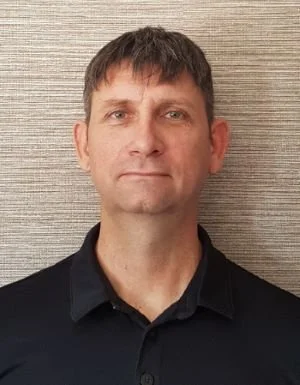
I am mainly known nowadays for my work with Reiki, as a specialist in authentic Japanese Reiki. I am an experienced, Reiki teacher and practitioner with a proven track record of results. I offer Jikiden Reiki training courses, promoting authentic Japanese Reiki teachings. I am based in Sutton Coldfield, Birmingham, in the UK. I have a background in coaching and training in the areas of exercise coaching, holistic lifestyle, fitness, and performance coaching. I also have a BSc.(Hons) degree in Sport and Exercise Science, for more information visit: www.shaunmckeown.com
The information contained above is provided for information purposes only. The contents of this article are not intended to amount to advice and you should not rely on any of the contents of this article. Professional advice should be obtained before taking or refraining from taking any action as a result of the contents of this article. Shaun Mckeown, disclaims all liability and responsibility arising from any reliance placed on any of the contents of this article.
Guide to Buying A Therapy Bed for Reiki
Tips for those thinking of buying a therapy bed for delivering Reiki treatments, be that at home or professionally. In this article I will go through some considerations and my take on therapy couches to try and help you.
As a Reiki teacher, I commonly get asked about therapy beds by students in my Reiki training courses looking to purchase one after their training, to either practice at home or use in a professional Reiki setting. There is a vast array of choices out there, so what I wanted to do in this article was give you some guidance and points to consider to help you select the best therapy bed for you. A point I want to make is that a therapy bed is not just for those who do Reiki treatments professionally. Anyone who does Reiki for family or friends could benefit from having a therapy bed. It is not essential to be able to do Reiki on someone, but it does make it easier to do in a relaxed position which is desirable and is likely to make it more comfortable for you, so could reduce the potential for injury if you are doing a lot of Reiki sessions, as well as being comfortable for the person receiving the Reiki treatment. In addition, you would need a therapy bed to be able to practice the Keisu-ki-kohan-ho (Kekko) technique, you learn in the Shoden (beginner level) Jikiden Reiki training course.
I would view the task of selecting a therapy bed as a range of considerations, each with something like a 1-10 scale of importance that you can dial up if important, or dial down is less important to you. As this will guide your purchasing decision. For example, if the price is the one biggest factor for you, then that will guide your selection strongly. It tends to be finding a sweet spot between your ideal features, such as ideal dimensions, comfort, or foam quality against cost. Let’s look at some key factors to consider.
Safety:
Let’s get this one out of the way. It has to be strong enough for those you might use the therapy bed with from a safety and liability view. Most therapy beds state working ranges of over 230kg (36 stone) even the cheaper ones, which would be fine in pretty much all settings. Take whatever the lowest weight they advertise (dynamic, or working weight) and ensure you have plenty of buffer weight capacity. Around 250 kg capacity would be a common weight capacity. The build quality is likely the consideration between beds. I have had good and not-so-good build quality with therapy couches. My preference now is to go for aluminum frames, rather than the wood composite, as I have seen some quality issues with one I had once, with the screws that go into the wood. You can get still see low-quality aluminum frames, that’s just my preference.
Dimensions:
Most options tend to be between 65-75cm (25-29 ½”) wide, and 70cm (27 ½”) is a common width. Lengths 180-195cm (70-76”) is a common range. For reference: The static therapy bed I use professionally is 70 cm wide and 195cm long, it covers most heights and sizes. My 2nd therapy bed is 70cm wide and 182cm (71 ½”) long. Both these serve me well, but it is about as small as I would want to go. I have had a previous therapy bed around 60cm (23 ½”) wide, but that’s a bit thin for what I want. I have had some around 65cm wide which were OK, but I prefer a therapy couch to be a bit wider. Yes, many have width extension pads on two dowel rods you can add on. But for me (remember I work professionally and I may not have seen the client until they show up for session one) it’s not helpful to the experience of a session of a new client to show up and you look at them and in front of them go and dig out your ‘large person’ width extensions and add them to the couch. Any width extensions I get with a therapy bed go in a bag and the loft. I prefer to get the therapy bed the size I want it, might be 1 Kg heavier, and £20 more cost, but that’s just my preference.
The length of the therapy bed, my main professional one is 195cm long which is fine for anyone. If they are very tall the ankles just hang a bit over the end, you can add the headrest to extend the therapy bed length for face-down work. Just watch quoted therapy bed dimensions on the sales pages, just you ensure to understand what is the size of the therapy bed itself is, same with the width, watch the quoted width is not including extra side width extension pads). Unless you work with a basketball team you should be fine with a therapy bed 180-195cm therapy bed. You might need to consider where you are going to put the therapy bed, if it's in a box room or small therapy room you might lean towards a shorter bed, or if you know you would work with larger clients it might be wider, all just things to consider. Also, more often those who are shorter might find a thinner therapy bed more comfortable to work with, as there is less distance to lean over to reach, the center of the bed/ person’s body, or more likely to find it more comfortable to perform the Kekko technique with a thinner therapy bed.
Client Comfort:
Comfort will be a big consideration with the use of Reiki. If it's uncomfortable the experience of coming to see you will not be relaxing, which is no good for your clients. My current static therapy bed I got for the generous dimensions, for me the padding was not great, so as a solution, I got a 5cm (2”) memory foam topper on it. However, my view is it’s better to get a therapy bed with good foam in the first place. My 2nd therapy couch has much better foam. I got this one second-hand (almost new) it has better 7cm (2 ¾”) and better-quality foam. If looking for a therapy bed I would say a minimum of 6cm (2”) thickness of high-density foam, the kind that doesn’t collapse when a client lays on it. Manufacturers are getting better with this in recent years. It is an area I would invest in when selecting a therapy bed.
Cost:
Cost is commonly a big factor to consider. I’m always a fan of high value. Higher price does not always mean better with therapy beds, that said cheap and low quality is not the best idea either. You can get brand new therapy beds from around £95- £500. There are always more expensive options, but this is the common Range. I have had therapy beds across that price range. I will give some options at the end of this article. Second hand you can pick up from £50 upwards.
Weight:
It's something to consider, more so if you are a mobile therapist, if it’s staying in one location, as long as you can drag it in the door it’s not an issue. Therapy beds tend to be similar, as manufacturers are aware it’s a consideration or concern for many. There is a super light quality one that I link to below that comes in at 11.5 kg (25lb). Most will be in the range of 13-15kg (28 ½- 31lb). Both my therapy beds are about 14kg. If a therapy bed was 10kg or under I would be looking deeper at how that was achieved. If moving it around was a big problem for you, you might need to consider having two therapy beds, one at a couple of locations, or if you are a mobile therapist the weight might be a big consideration for you.
Other Specifications:
This could be if you want a therapy bed that has the option to raise one end, so the client can lay sitting up a bit, so not flat. I have one that does and one that doesn’t. Occasionally I do have clients that I use that with (such as breathing or reflux issues that lying flat is not comfortable, but it’s rare for me). Another feature that most therapy couches have is adjustable leg heights, with a good range with small increments in adjustments. Any therapy bed needs to be comfortable for you to use, so I would say this feature is a must, or you will likely hurt your back in the long term (unless you find one that is a good match for you). Most have a head extension pad for when facing down, some have an additional face hole in the bed so you have 2 options. Many come with an arm sling out front, you can use it for take-off, but not a game changer.
Things marketed like ‘Reiki end plates’, are marketing, it’s just so you can put your legs straight under the bed, as many beds used to have a bar that went across the leg posts at shin height. I would say get a therapy bed that has any support across the leg posts at the head end as high as possible, so you have the option to put your legs under the therapy bed. If the ‘Reiki end’, or bar is covering more than 25% of the end leg posts, its unlikely to serve that purpose anyway, especially if you are tall, or you are shorter and have the bed set at a low height, as your knees would hit it.
Other Considerations:
Here I wanted to list some things to think about when making a choice. You might look to second-hand as an option to have a starter therapy couch, or a second-hand one might be fine long-term, you can look online, or social media marketplaces, or other therapists. You might be looking for a therapy bed that does everything, or one for transporting around and one to stay at the main place you do Reiki treatment sessions. Remember to consider any delivery charges on top of a therapy bed price itself, as they are not light. Customer service is a consideration, more for some than others, other therapists and students, I know have tended to report poorer quality of service and customer support with the larger retailers, compared to the more local specialist companies. I have heard good reports for the retailer of the higher-price option below.
Example Therapy Bed Options:
Below I have selected three therapy beds to demonstrate what you might expect in terms of pricing, dimensions, etc. I have selected a low, mid-range, and higher price option. For the low-priced and medium-priced ones, I have had similar versions and have used them for many years. Note: the lowest price option was one where I found the foam to be poor on previous models, this one appears to have improved foam, but I have not personally used this newer model, however, it provides an example of what is common for that price and type of therapy bed. If I was to buy another therapy bed, I would likely purchase the higher-priced one, (which I have recently done) but remember I do this for my work. I currently use the Delta II model from Massage Warehouse. I know other Reiki teacherswhot use and rate this company and its products, the one I have selected is the one that seems most popular with the teachers (mainly due to its lightweight, comfort, and quality). Some like the 30 inch wide option, I use the 28inch wide therapy bed option.
Note: This article is not sponsored; the 2 lower-cost options do have a basic Amazon affiliate link.
Note: If you are a Jikiden Reiki UK Association (JRUKA) Member, look in your member resources page; there will be a special discount code you can use with a UK therapy bed manufacturer. Another benefit of joining the JRUKA.
Lower price option:
Massage Imperial® Charbury Extra Wide Massage Table
Price: £99 (approx.)
weight 13 Kg
Dimensions: 70cm wide/ 195cm long
For details and purchase click on the link below:
Mid-Priced Option:
Massage Imperial® Consort Oval Massage Table
Price: £124 (approx.)
Weight: 14kg
Dimensions: 70cm wide/ 195cm long
For details and purchase click on the link below:
Higher price option:
Porta-Lite Delta II, by Massage Warehouse
Price: £365 (approx.)
Dimensions: 71cm wide/ 185cm long (there is also a popular wider 76cm option for this model)
For details and purchase click on the link below:
I hope you found this article interesting. For more information about Reiki, or Reiki courses visit my website, or for more ideas about Therapy Beds for Reiki see the additional links below.
Useful links:
Massage Warehouse Therapy bed full range page. Note: There are other therapy beds at mid-range pricing with this company also.
Amazon Therapy bed full range page, click on the link below:

I am mainly known nowadays for my work with Reiki, as a specialist in authentic Japanese Reiki. I am an experienced, Reiki teacher and practitioner with a proven track record of results. I offer Jikiden Reiki training courses, promoting authentic Japanese Reiki teachings. I am based in Sutton Coldfield, Birmingham, in the UK. I have a background in coaching and training in the areas of exercise coaching, holistic lifestyle, fitness, and performance coaching. I also have a BSc.(Hons) degree in Sport and Exercise Science, for more information visit: www.shaunmckeown.com
The information contained above is provided for information purposes only. The contents of this article are not intended to amount to advice and you should not rely on any of the contents of this article. Professional advice should be obtained before taking or refraining from taking any action as a result of the contents of this article. Shaun Mckeown, disclaims all liability and responsibility arising from any reliance placed on any of the contents of this article.
Recommended Reiki Books 'Women in Reiki’
Here is a favourite Reiki book, titled 'Women in Reiki'. The book was been 3 years in the making, involving in-depth research and interviews, shining a spotlight on key influential women in Reiki.
Recommended Reiki Book Reading Series Introduction
So in this series, I offer a short concise view of some recommended books on the topic of Reiki. I thought it would be helpful as I get asked the question as to what Reiki books I would recommend on the topic. These are the books I recommend Reiki students read after taking Reiki courses. They can be interesting to those looking into Reiki, however, my view is more to read Reiki articles, to get an idea if it is something you would like to try or to take training in, then book a Reiki treatment to experience it, or attend Reiki training courses, then read Reiki books. As you tend to be able to understand the content in a deeper way having had Reiki training, or at least experienced it, so being introduced to topics that tend to be covered in the books.
Women in Reiki (2021)
by Silke Kleemann & Amanda Jayne

The Authors
A recent book release of 2021 this new Reiki book, titled 'Women in Reiki' has been 3 years in the making, involving in-depth research and interviews, shining a spotlight on key influential women in Reiki. It is written by senior Jikiden Reiki teachers Amanda Jayne (UK) and Silke Kleemann (Germany).
So What’s It About?
Most books focus on the key male teachers within Reiki. The focus of this book has been to research the lives of key female figures, who made significant contributions to Reiki, from 1930s Japan to today. Show us their dedication, be that to living Reiki, sharing authentic Usui teachings, keeping Reiki going through tough historical times, or spreading Reiki in the world. This book has some interesting little know information, it also provides an insight into life in Japan, historical information on the lives of these key female figures, and tries to understand what life was like for these women, whilst looking at their contributions to Reiki.
My View of The Book
This book is a solid 400-page book but the depth of information is organized in such a way it feels like many short topics. I found the content naturally broke into sections very well. I could read and absorb a section, then come back to the book and read another section, or chapter about a person, which I liked. The book offers a great depth of information and understanding of what life was like for these women and provides a useful understanding of the social environment of the time and their life situations. In addition to the useful information on key women in Reiki in the 1930s and subsequent decades, there is also information and perspectives offered by modern-day women dedicated to Reiki, which I enjoyed reading.
I real gem for me was the sections in the book where the authors share their experiences and discuss ideas about Reiki, offering some helpful descriptions and insights from their experience working with Reiki. I think the book is a great read. What I would say is as the book looks at key women in Reiki, those who are students of Reiki will likely get the most from the book I feel, as you have a prior understanding of Reiki and have heard these names in your Reiki training. This book would add depth to your understanding. I would recommend this book to all my Reiki students.
Where can I buy a copy of the book?
You can view a link to purchase this book and see my other recommended Reiki book titles here.
I am mainly known nowadays for my work with Reiki, as a specialist in authentic Japanese Reiki. I am an experienced, Reiki teacher and practitioner with a proven track record of results. I offer Jikiden Reiki training courses, promoting authentic Japanese Reiki teachings. I am based in Sutton Coldfield, Birmingham, in the UK. I have a background in coaching and training in the areas of exercise coaching, holistic lifestyle, fitness, and performance coaching. I also have a BSc.(Hons) degree in Sport and Exercise Science, for more information visit: www.shaunmckeown.com
The information contained above is provided for information purposes only. The contents of this article are not intended to amount to advice and you should not rely on any of the contents of this article. Professional advice should be obtained before taking or refraining from taking any action as a result of the contents of this article. Shaun Mckeown, disclaims all liability and responsibility arising from any reliance placed on any of the contents of this article.
Recommended Reiki Books 'One with Reiki’
In this short take on my latest recommended Reiki book. I take a look at the recently translated into English and released book in 2020 ‘One with Reiki’ By Frank Arjava Petter.
Recommended Reiki Book Reading Series Introduction
So in this series, I offer a short concise view of some recommended books on the topic of Reiki. I thought it would be helpful as I get asked the question as to what Reiki books I would recommend on the topic. These are the books I recommend Reiki students read after taking Reiki courses. They can be interesting to those looking into Reiki, however, my view is more to read Reiki articles, to get an idea if it is something you would like to try or to take training in, then book a Reiki treatment to experience it, or attend Reiki training courses, then read Reiki books. As you tend to be able to understand the content in a deeper way having had Reiki training, or at least experienced it, so being introduced to topics that tend to be covered in the books.
One with Reiki (2020)
by Frank Arjava Petter

The Author
‘One Reiki’ was published in English recently in 2020, written by one of my Reiki teachers Frank Arjava Petter. Arjava is the Vice Representative of Jikiden Reiki. Arjava Sensei has devoted the last 25-plus years to uncovering the truth with regards Reiki history. Much of what we know as accurate Reiki history has come from his research. He is German by birth, so a Westerner, but he lived in Japan for a while, so can offer that perspective.
So What’s It About?
As an overview to get an idea, the book starts with our understanding of everything as one, our true nature. The book then goes into elements of Japanese thinking and culture, covering influences of differing religions and bitesize nuggets of the historical journey of Japan. Followed by topics such as a more in-depth look at the Gokai (Reiki principles) and meaning in our lives. Topics of our attitude when practicing Reiki, how we act along with guidance as to how to view life along your Reiki journey are also covered. The book is around 130 pages long.
My View of The Book
This book was very nice to read. For me It was not a deep, technical book, covering everything about Reiki. Arjava Sensei’s book ‘This is Reiki’ is good for that. This book was a lighter read, yet deeper, in a different way for me. What I mean, for me it builds on the technical depth of how to ‘do Reiki’ and all about it, to the deeper understanding, the subtle appreciation of the way of thinking of Japan at the time, the context of thinking and living in a way of, as the book is titled: ‘being ‘one with Reiki’. I think this book will help us stay in the right way of thinking and daily practice to develop on our Reiki path.
Me, I found the structure of the book great. Convenient short sections within each of the 9 chapters, covering important points to aid our understanding of Reiki. So I would read a few pages each day and absorb the points, so not a heavy read for me, more layering the understanding of Arvaja’s wealth of experience, well that’s how I read the book, that’s my style of reading anyway, you could read it in bigger chunks as well. I would say this book is a good read for any level of Reiki practice, whatever approach to Reiki you might be interested in. Just be aware some of the themes refer to things taught in authentic Japanese Reiki training, so might be best suited for those who have taken Reiki training. Or just read it, then take Reiki training, then come back to the book and read again.
Where can I buy a copy of the book?
You can find a purchase link for this boo and view my other recommended Reiki book titles here.

I am mainly known nowadays for my work with Reiki, as a specialist in authentic Japanese Reiki. I am an experienced, Reiki teacher and practitioner with a proven track record of results. I offer Jikiden Reiki training courses, promoting authentic Japanese Reiki teachings. I am based in Sutton Coldfield, Birmingham, in the UK. I have a background in coaching and training in the areas of exercise coaching, holistic lifestyle, fitness, and performance coaching. I also have a BSc.(Hons) degree in Sport and Exercise Science, for more information visit: www.shaunmckeown.com
The information contained above is provided for information purposes only. The contents of this article are not intended to amount to advice and you should not rely on any of the contents of this article. Professional advice should be obtained before taking or refraining from taking any action as a result of the contents of this article. Shaun Mckeown, disclaims all liability and responsibility arising from any reliance placed on any of the contents of this article.
Why A Good Business Course for Reiki Practitioners is So Needed
This article is for those who work professionally as a Reiki practitioner, delivering Reiki treatments to the public. Or anyone who is thinking about doing so in the future. I have written and developed over recent years my home study course for Reiki practitioners.
How to Build a Successful Reiki Business
Home Study Business & Marketing Courses for Reiki Practitioners in the UK
This article is for any Professional Reiki practitioner and equally anyone who is thinking about becoming one. Over the years as a Reiki professional teacher and practitioner myself and training many others, the need for comprehensive business training has become more apparent. I have in recent years created and developed my self-study business course specially designed for the needs of Reiki practitioners, entitled ‘Building a Successful Reiki Business’. Which came from 1-1 business mentoring for Reiki professionals. Through writing this course highlighted to me further all the different areas that a professional Reiki practitioner must be proficient in, or have covered, for it all to work and achieve a level of sustainable success in this industry, which lead me to the creation of my second Reiki business courses entitled: ‘Effective Marketing Made easy for Reiki Practitioners’, along with the all the supporting resources I created to meet the needs of Reiki practitioners. I wrote this article alongside my articles ‘Marketing for Reiki professionals’’ and ‘How to Build a Successful Reiki Business’ to look into the need for business support for Reiki professionals.
So why have I formed the option that a business course for Professional Reiki practitioners is so needed in the industry? Well as a Reiki teacher, I naturally train people in Reiki, some of which decide either at a future time once Reiki has profoundly helped them in their life, to then help others with Reiki and become a professional Reiki practitioner, or they come to take Reiki training with that intention, to begin with. As Reiki teachers, we teach Reiki, no surprise there. As a Jikiden Reiki teacher, I teach Reiki how it was originally taught, which didn’t include a business section. What we teach is controlled by Japan, and the content of training courses is not added to it. For many who want to learn Reiki for personal development or to help family, a business section is not needed either. It’s a Reiki course, to learn Reiki, the practice of the development of body and mind. A business section was not in the original teachings, so for those who teach the original teachings, it is not there today.
What is found in many approaches to teaching Reiki is a general professional practice element of maybe a couple of hours of discussion incorporated into the second level of study, or what many courses called Reiki level 2, or practitioner level. This has been added from a sound idea of best practice, the content usually touches on topics like delivering professional treatments and some best practice guidelines, considerations with advertising regulations, etc. Not a problem in itself, indeed useful, however in my opinion, as useful as it may be, having observed many Reiki professionals over the years and have been a self-employed solo practitioner and coach for over 20 years now. In my view, it’s just not going to be enough, or specific enough for the demands of solo professional practice to make it as a professional Reiki practitioner.
In my view, you are better to get focused solid Reiki training from your Reiki training courses. Then with the awareness that there is a need for business training then go and get solid focused business training to meet that need. The danger in covering a bit of information only can leave some with the idea they are prepared to enter the world of professional Reiki practice. Many of the level 2 reiki courses are even termed ‘practitioner level’ which reinforces this point further. As a generalization, this ‘business’ training component in many Reiki level 2 courses, tends to lean towards best practice guidelines, national occupational standards, and regulation requirements, be that data protection, GDPR, note-taking within professional treatment settings, and such like- they are compliance-focused. Yes, things you need to know, however, I can guarantee these will not be the key factors that determine your success or failure as a professional Reiki practitioner.
My option is that Reiki training courses are for Reiki training and business courses are a separate thing altogether.
I make the above point as a glance around my website will reveal I have gone through the process of attaining the awards for the highest standards of professional practice we have in Reiki in the UK and I am a registrant on the CNHC accredited register for those professional practitioners who have achieved and comply to those standards within their business, but what I say is that’s all that has been done as good professional practice, and an element of supporting consumer confidence in how work and my professional competence, that’s it.
Many get mixed up that such knowledge or awards will lead to professional success, as such neglect other areas of their business to their peril. Those with the best standards in professional practice might be the most professional, but not necessarily the most successful practitioners out there- and more importantly can pull too much attention of time and focus toward regulation when it might be better focused on marketing for example, so there is a balance to be achieved. I think achieving professional best practice has a place, it’s just not the key determinant for professional success in my view, and that’s coming from someone who is heavily involved in course creation and national occupational Standards training and works as a teacher and assessor for such awards.
So the question remains, what is needed, or would best to help professional Reiki practitioners succeed? Some things to consider or pay attention to, what you could term as ‘gaps’ commonly seen as not properly addressed, would be: Having a deep understanding of who you want to serve and why. Understanding your temperament and skills, developing more supportive beliefs around money and self-value to better serve you. Create effective ways to manage your time, energy, finances, and workflow. Get a plan (or overview idea) in place, so decisions are strategic and less random. Setting your business apart from the masses. Develop skills in sales with integrity- with service at the core. Work on yourself, be that your default behaviors, or fears, or continue building your self-confidence among other things. There are more, but these are commonly missed, or not developed to the degree they need to be.
I have been fascinated by performance in sports and business settings for many years and myself having studied with various business experts, many with differing approaches. The reality is that to succeed as a sole practitioner or therapist in any field, you need to have a grip on certain things, for example, the environment of being a self-employed sole practitioner sets certain demands on you. For a start, you are doing everything within your business (some can be outsourced, once profit allows) until then you need to be proficient in many areas at once and it’s very unlikely your natural skills will fall into all of these areas.
In my role as a Reiki teacher, some students decide to go in the direction of professional Reiki practice. I have decided to expand my ‘role’ or my place in this field, or industry to in addition to teaching people Reiki and supporting students about the practice of Reiki, also offer my experience and understanding of the business side of things to both my students and the wider Reiki community, in a more structured way. So, I now offer a unique comprehensive self-study Reiki Business Course Series, a collection of real-world resources on Reiki business development and marketing to help professional Reiki practitioners. I have built a framework of step-by-step stages to work through at your own pace, along with a selection of great ideas, from my experience and research in this area over the years. If you would like to find out more details can be found here: Reiki Business Course
How to Build a Successful Reiki Business
Home Study Business & Marketing Courses for Reiki Practitioners in the UK
I am mainly known nowadays for my work with Reiki, as a specialist in authentic Japanese Reiki. I am an experienced, Reiki teacher and practitioner with a proven track record of results. I offer Jikiden Reiki training courses, promoting authentic Japanese Reiki teachings. I am based in Sutton Coldfield, Birmingham, in the UK. I have a background in coaching and training in the areas of exercise coaching, holistic lifestyle, fitness, and performance coaching. I also have a BSc.(Hons) degree in Sport and Exercise Science, for more information visit: www.shaunmckeown.com
The information contained above is provided for information purposes only. The contents of this article are not intended to amount to advice and you should not rely on any of the contents of this article. Professional advice should be obtained before taking or refraining from taking any action as a result of the contents of this article. Shaun Mckeown, disclaims all liability and responsibility arising from any reliance placed on any of the contents of this article.
Recommended Reiki Books 'The Hayashi Reiki Manual'
This book brings the manual of Hayashi Sensei to life. Packed with pictures of Reiki treatment positions for common ailments and the Kekko technique that we learn in Jikiden Reiki. So useful for those more visual in learning.
Recommended Reiki Book Reading Series Introduction
So in this series, I offer a short concise view of some recommended books on the topic of Reiki. I thought it would be helpful as I get asked the question as to what Reiki books I would recommend on the topic. These are the books I recommend Reiki students read after taking Reiki courses. They can be interesting to those looking into Reiki, however, my view is more to read Reiki articles, to get an idea if it is something you would like to try or to take training in, then book a Reiki treatment to experience it, or attend Reiki training courses, then read Reiki books. As you tend to be able to understand the content in a deeper way having had Reiki training, or at least experienced it, so being introduced to topics that tend to be covered in the books.
The Hayashi Reiki Manual (2003)
by Frank Arjava Petter & Tadao Yamaguchi

The Authors
This book is the practical Reiki treatment observations recorded by the late Chujiro Hayashi, the prominent Reiki teacher, and student of the founder of Reiki, Usui Sensei himself. The book itself was compiled by Frank Arjava Petter and Tadao Yamaguchi, back in 2003. Both authors in their own right and vice representative and representative (head) of the Jikiden Reiki Institute in Japan. Both are leading teachers in authentic Japanese Reiki and both are my Reiki teachers, so not likely to say much bad about it (Tadao Sensei being my primary Reiki teacher).
So What’s It About?
This book is a compilation of the Reiki treatment observations of Hayashi Sensei from records of the time. The book starts with some history, this time from the Hayashi perspective, through to the connection with the Yamaguchi family. The book then looks at the practicality of delivering Reiki treatments. This book then moves into the sections of a visual step-by-step guide to the Kekko technique, then into recommended treatment areas for a variety of conditions with clear illustrations, great for those who take in information more visually. The book concludes with a variety of photos of hand placement options for delivering Reiki treatments.
My View of The Book
A lot of the content of this book was intended for beginners in Reiki, to help with delivering Reiki treatments as they build experience with Reiki treatments. I view this book as a supporting book to the core reading Reiki books- ‘This is Reiki and ‘Lights on the Origins or Reiki’. However, if you are very visual and like the idea of seeing pictures of hand placements, it can be very helpful. In addition, those who have taken formal Jikdien Reiki courses and learned the Kekko technique might find this book helpful to provide a visual step-by-step guide to performing the technique, and as only 100 pages, with many pictures, it can be a nice change from the text-heavy Reiki history components of some other books I recommend.
Where can I buy a copy of the book?
You can a purchase link for this book and view my other recommended Reiki book titles here.

I am mainly known nowadays for my work with Reiki, as a specialist in authentic Japanese Reiki. I am an experienced, Reiki teacher and practitioner with a proven track record of results. I offer Jikiden Reiki training courses, promoting authentic Japanese Reiki teachings. I am based in Sutton Coldfield, Birmingham, in the UK. I have a background in coaching and training in the areas of exercise coaching, holistic lifestyle, fitness, and performance coaching. I also have a BSc.(Hons) degree in Sport and Exercise Science, for more information visit: www.shaunmckeown.com
The information contained above is provided for information purposes only. The contents of this article are not intended to amount to advice and you should not rely on any of the contents of this article. Professional advice should be obtained before taking or refraining from taking any action as a result of the contents of this article. Shaun Mckeown, disclaims all liability and responsibility arising from any reliance placed on any of the contents of this article.
Recommended Reiki Books 'Light on The Origins of Reiki'
This book is written by my primary Reiki teacher Tadao Yamaguchi in 2007. It looks at primarily the history of Reiki from the Yamaguchi family perspective and gives an insight into Japanese culture and thinking. A must-read for students of Jikiden Reiki.
Recommended Reiki Book Reading Series Introduction
So in this series, I offer a short concise view of some recommended books on the topic of Reiki. I thought it would be helpful as I get asked the question as to what Reiki books I would recommend on the topic. These are the books I recommend Reiki students read after taking Reiki courses. They can be interesting to those looking into Reiki, however, my view is more to read Reiki articles, to get an idea if it is something you would like to try or to take training in, then book a Reiki treatment to experience it, or attend Reiki training courses, then read Reiki books. As you tend to be able to understand the content in a deeper way having had Reiki training, or at least experienced it, so being introduced to topics that tend to be covered in the books.
Light on the Origins of Reiki (2007)
by Tadao Yamaguchi

The Author
This book is written by my primary Reiki teacher Tadao Yamaguchi, who is the head of the Jikiden Reiki Institute in Japan. The book was published in 2007. Tadao sensei has a lifetimes understanding of Reiki (literally) Having learned Reiki from his mother Chiyoko Yamaguchi, who practiced Reiki for most of her life and was a direct pupil of Hayashi Sensei, a student of Usui Sensei, the founder of Reiki himself. These teachings form the teachings of the Jikiden Reiki Institute. (which is what I teach if you attend one of my Reiki courses). The Yamaguchi family has contributed hugely to our understanding of Reiki, in Japan and in the West.
So What’s It About?
This book looks at primarily the history of Reiki from the Yamaguchi family perspective and gives an insight into Japanese culture from a Japanese person, and with Tado Sensei a person who has grown up with traditional Japanese Reiki their whole life. This book provides a Japanese view of Reiki. It discusses the connection of the Yamaguchi family with early Usui Reiki in Japan, with detail of Chiyoko Yamaguchi, a wealth of experience with Reiki throughout her life, then through Tadao Yamaguchi, to the formation of Jikiden Reiki. This almost 200-page book also touches on Japanese culture and influences such as Shinto and the Japanese way of thinking. Views of Reiki practice are also discussed in this book along with detail on core Reiki concepts of Byosen and the Gokai (Reiki principles).
My View of The Book
A must-read for students of Jikiden Reiki, or anyone interested in Reiki and how it was practiced in its early days in Japan. This book forms part of my recommended core reading for the topic of Reiki for all Reiki students. With much of the understanding of Usui Reiki in its original form coming from the Yamaguchi family, with the family being a great source of original photographs of the period along with the depth of understanding of Reiki Tadao sensei provides, it makes an interesting read and is one of my core recommended Reiki reading books. As well as core reading for Jikiden Reik students, I believe this book can offer much to anyone with an interest in original Japanese Usui Reiki and Japanese culture.
Where can I buy a copy of the book?
You can view a link to purchase this book and view my other recommended Reiki book titles here.

Shaun Mckeown specialises in authentic Japanese Reiki. Delivering Jikiden Reiki treatments and teaching authentic Japanese Jikiden Reiki in the UK. Shaun also supports Jikiden Reiki students and professionals. A strategic, creative problem solver with over 20 years of professional coaching experience helping people with health and well-being The last 12 + years specialising in Reiki. He has a BSc.(Hons) degree in Sport and Exercise Science, so has both science and holistic perspectives. learn more about Shaun at: www.shaunmckeown.com
The information contained above is provided for information purposes only. The contents of this article are not intended to amount to advice and you should not rely on any of the contents of this article. Professional advice should be obtained before taking or refraining from taking any action as a result of the contents of this article. Shaun Mckeown, disclaims all liability and responsibility arising from any reliance placed on any of the contents of this article.
Recommended Reiki Books 'This is Reiki'
Often I get asked which books I would recommend on the topic of Reiki. so I am doing a series of quick reviews of my favorite Reiki books for you, along with links to get the books. In this review, I look at ‘This is Reiki’ By Frank Arjava Petter.
Recommended Reiki Book Reading Series Introduction
So in this series, I offer a short concise view of some recommended books on the topic of Reiki. I thought it would be helpful as I get asked the question as to what Reiki books I would recommend on the topic. These are the books I recommend Reiki students read after taking Reiki courses. They can be interesting to those looking into Reiki, however, my view is more to read Reiki articles, to get an idea if it is something you would like to try or to take training in, then book a Reiki treatment to experience it, or attend Reiki training courses, then read Reiki books. As you tend to be able to understand the content in a deeper way having had Reiki training, or at least experienced it, so being introduced to topics that tend to be covered in the books.
This is Reiki (2012)
by Frank Arjava Petter

The Author
This is Reiki, was written by one of my Reiki teachers Frank Arjava Petter. Arjava is the Vice Representative of Jikiden Reiki, and was published in 2012. Arjava Sensei has devoted the last 25-plus years to uncovering the truth with regards Reiki history. Much of what we know as accurate Reiki history has come from his research. He is German by birth, so a Westerner, but he lived in Japan for a while, so can offer that perspective.
So What’s It About?
If you click on the link below, Amazon does a good job with their ‘look inside’ feature to see the index topics, but as an overview, but as an overview to get an idea, the book starts with a chapter of explanations of meanings and terms we find in Reiki. A chunky chapter of Reiki history, which is Arjava's passion, is so expected. We then have a section on historical Reiki sites. This 275-page book also has a section on Japanese culture and religious influences. The book then concluded with an in-depth chapter on Reiki practice., such as concepts around delivering treatments. I commonly use the pictures in this book to show students when teaching Reiki history during classes.
My View of The Book
This is the ‘go-to’ Reiki book I recommend to both students of Reiki and those looking into it. As it encompasses a complete view of Reiki in its entirety, from someone with a great understanding of both Japanese and Western approaches to Reiki. As it was published in 2012, I think of it as a greatest hits of his previous Reiki books, with the greater understanding that additional time of research has offered. This book has a lot of depth as well. To be honest there is enough depth for most Reiki students here. In an order of which book order to read, or if only had one Reiki book, which one would I recommend, the overall differing angles, or perspectives of the four or so Reiki books I might recommend in my view present the best approach, however, if I had to pick one book for someone new to Reiki I would start here with this book.
This book in my opinion has pretty much all we need in it to have a good understanding of Reiki. For those new to Reiki, just be aware there is depth to the information here, which is great, I would suggest reading the content, if not trained in Jikiden Reiki , do so, then come back to the content again, then practice Reiki for a year or so, then return again, as the book reveals more to you as you return to it from a place of greater understanding and experience of practice. so don’t worry if the depth seems a lot if you are new to Reiki, just think of it as a reference book with layers each time you read it.
Where can I buy a copy of the book?
You can find a link to purchase this book and view my other recommended Reiki book titles here.
Shaun Mckeown specialises in authentic Japanese Reiki. Delivering Jikiden Reiki treatments and teaching authentic Japanese Jikiden Reiki in the UK. Shaun also supports Jikiden Reiki students and professionals. A strategic, creative problem solver with over 20 years of professional coaching experience helping people with health and well-being The last 12 + years specialising in Reiki. He has a BSc.(Hons) degree in Sport and Exercise Science, so has both science and holistic perspectives. learn more about Shaun at: www.shaunmckeown.com
The information contained above is provided for information purposes only. The contents of this article are not intended to amount to advice and you should not rely on any of the contents of this article. Professional advice should be obtained before taking or refraining from taking any action as a result of the contents of this article. Shaun Mckeown, disclaims all liability and responsibility arising from any reliance placed on any of the contents of this article.
10 Benefits of Attending Regular Reiki Student Workshops
So today I have listed 10 reasons why I believe students of Reiki can benefit from an ongoing study with regular attendance at student events, be they in the form of teaching, workshop or Reiki share format, to support their study of Reiki.
Following on from a recent article I had written looking at the importance of ongoing study with Reiki beyond the formal training courses, I thought I would pick up on a point I made about how Reiki teachers are effectively reinforcing the importance or the benefits of an ongoing study to our own Reiki students? So today I have listed 10 reasons why I believe students of Reiki can benefit from an ongoing study with regular attendance at student events, be they in the form of teaching, workshop, or Reiki share format, to support their study of Reiki.
1. With something like Reiki, you might learn a technique during training, but it is only after putting it into practice a new question comes up for you about it, that you would not have had at your formal training course. With workshops you have regular access to your teacher, to ask any Reiki questions you have, as they arise.
2. With the best will in the world, we will not fully retain every nugget of information within 3 days of training courses at the first go. Workshops that focus on a key element of Reiki training, or even repeating the training itself 6 months or a year down the line can be helpful. (With Jikiden Reiki the option to repeat training courses at a fraction of the cost is built into the approach. I myself have taken both training levels 6 plus times now).
3. For Some techniques that are new, at the point of learning a course you will be getting the framework of the technique, the finer refinement can only be taught once the framework is in place, so will come at a later time. An example is Kekko, there is a lot to take in, and refinement comes later once we have the technical level sorted. So events such as workshops and especially repeating training Shoden course with help you improve your proficiency and confidence with this and other techniques.
4. You receive Reiju from your teacher at many events with Jikiden Reiki, helping keep the channel clear for Reiki energy as well as going towards improving your perception in your hands when giving Reiki, as well as being helpful to you in itself.
5. You have regular opportunities to practice what you have learned and deliver Reiki treatment to other students, along with coaching helping you refine your skill and perception in your hands.
6. You will receive coaching, helping to build your confidence in what you learned in the courses.
7. You can receive a Reiki treatment yourself from other Reiki students. Commonly from a group which is great. For many, this also provides an opportunity to reach those areas it is hard to get to with self-treatments, such as shoulders back, and legs.
8. You can meet other like-minded Reiki students, which is helpful as many practice Reiki in relative isolation, you can discuss with other students your experiences with your practice of Reiki as part of a community.
9. You can pick up nuggets of information and subtle ways to deliver treatments, and hand positions from your teacher who has no doubt delivered thousands of professional Reiki treatments.
10. Attendance to regular workshops provides a rhythm to your regular self-care, a commitment to yourself, and your practice of Reiki. It can be a self-value activity, a demonstration that you are dedicated to your study of Reiki. It can support your healing and rejuvenation, it can be a time for you, it can support your personal growth, it could be an activity that is looking after yourself, in the busy world we live in and no doubt where we spend a lot of time helping others or depleting ourselves. An opportunity to re-center, and recover. I hope you have found these points useful to consider. For those who would like to find out more about upcoming Reiki student events, details will be announced via my newsletters, For more details of events see the webpage Jikiden Reiki student events If there are no current events planned, or you prefer support on a 1-1 basis see my 1-1 Reiju, Reiki coaching, and Reiki treatment sessions.
I am mainly known nowadays for my work with Reiki, as a specialist in authentic Japanese Reiki. I am an experienced, Reiki teacher and practitioner with a proven track record of results. I offer Jikiden Reiki training courses, promoting authentic Japanese Reiki teachings. I am based in Sutton Coldfield, Birmingham, in the UK. I have a background in coaching and training in the areas of exercise coaching, holistic lifestyle, fitness, and performance coaching. I also have a BSc.(Hons) degree in Sport and Exercise Science, for more information visit: www.shaunmckeown.com
The information contained above is provided for information purposes only. The contents of this article are not intended to amount to advice and you should not rely on any of the contents of this article. Professional advice should be obtained before taking or refraining from taking any action as a result of the contents of this article. Shaun Mckeown, disclaims all liability and responsibility arising from any reliance placed on any of the contents of this article.
Why Repeating Reiki Training Could Be A Good Idea
This article highlights the benefits of ongoing practice and training to deepen your study of Reiki after the formal Reik training courses and how this way of thinking was part of Reiki practice. In this article, I will focus on another option that is available to Jikiden Reiki trained students in addition to regular Reiju meetings with a workshop element or Reiki shares. That being repeating your formal Reiki training courses.
In this article, I wish to bring your attention to some benefits of repeating your formal Reiki training courses, after having attended the formal Jikiden Reiki training courses- Shoden and Okuden. The option to repeat formal Reiki training courses is available to all students of Jikiden Reiki and is something all Jikiden Reiki teachers agree to offer. The cost to a student to do so is a fraction of the original training fees; the fee is set by the Institute in Japan for each country. In the UK to repeat Shoden and Okuden is a fraction of the cost compared to initially taking the training, less than 40% of the original cost! That’s a huge reduced fee.
The idea of repeating training is in keeping with the idea that your Reiki training courses are the starting point of your study of Reiki. Let that point sink in. I encourage you to think of your training as well as your individual study of Reiki as an ongoing practice. A bit like martial arts, your learning is not complete with one lesson, or attending a training course. I see a common view in our culture with things that are presented as a course, I see a view of ‘I have taken the training’, like the topic has been done, or completed. Rather than dig into reasons why this might be the case, here I wish to simply look at a few reasons why I believe repeating the formal Jikiden Reiki courses might be helpful for you to consider.
I have personally found repeating a helpful thing to do myself in my own study of Reiki. In addition to all the Reiki training courses, I had attended differing approaches to Reiki before I found Jikiden Reiki. I have taken Jikiden Reiki Shoden and Okuden six times now, with three different teachers. Shihan Kaku (assistant teacher course) 4 times, and Shihan (Teacher course) 3 times. (note: as a Shihan, it is part of the teacher training process to have done some repeating). You will see the same picture of repeating with any dedicated Reiki teacher.
So what can we gain from repeating courses we have already taken? Firstly, as with any course, with the best intentions in the world, we do not retain all the information presented to us in our first exposure to the information. I personally wrote a lot of notes the first time I took formal Jikiden Reiki training, yet found I wrote just as many notes the second time around. I was at a different place with my practice compared to when I first took the Jikiden Reiki training. Be aware some questions will only appear after practice, so you would not yet be at that place when the content is new. Below are some experiences of repeating from those who have done so with me:
“I got so much out of taking my Jikiden Reiki training a second time, it was so beneficial, I am now have more confidence with Reiki.” Gill- Manchester.
“For anyone wanting to deepen their knowledge and practice of Reiki, I found repeating both Shoden and Okuden was a brilliant experience. Having conversations with different students, and being able to ask Shaun new questions that have popped up since the first time round. The experience was fresh and felt really beneficial to my understanding.” Paul- Staffordshire
“I was really privileged to do the repeater training course with Shaun and if I thought I had learnt a lot the first time this time I got a more in-depth understanding.” Chloe- Yorkshire
“I repeated my Shoden and Okuden training and can honestly say that I got so much more the second time around! The first time was great, but now it all makes so much more sense. The learning felt deep and I am feeling more confident.” Karen- Sutton Coldfield.
“I repeated Shoden and Okuden with Shaun. I found that it both served as a reminder and reinforcement of the previous teaching. I also enjoyed meeting new people and hearing how they use Reiki themselves”. Darren- Bristol.
“I would highly recommend the reiki refresher training with Shaun. It’s a contradiction really. I thought it would be like pressing a refresh button of the original training (which I completed 2 years ago) but whilst familiar, the training went deeper, broader, and expanded out in unexpected ways. It takes you into a much deeper understanding of Shoden and Okuden Reiki training; I’m so pleased I repeated.” Leisa- Staffordshire
“I first did my training a few years ago with a different teacher, I thoroughly enjoyed it then and equally enjoyed it this time. Shaun has a way of breaking down and simplifying all areas of the course; repeating definitely deepens and enhances your knowledge and experience. I feel much more confident now.” Tracey- West Midlands
Repeating training can also be helpful in layering your technical ability and understanding of an approach or the idea being taught. An obvious example is the Kekko technique taught in the Shoden course. The way I tend to approach it in teaching it is, the first time learning is about getting the sequence and process down and trying it. The next time I observe the student performing Kekko technique. I can further coach and help them refine the finer points of the technique. The same is true with concepts such as Byosen as well.
What you also tend to find with attending different courses is that there are different people there, as will be their experiences, so the questions asked in the training tend to be different in each class. The mix of beginners, repeaters, those previously trained in more Western approaches to Reiki, and those who are professional practitioners are commonly different. It might even be a useful thing to do for a newly qualified teacher to observe how an experienced teacher delivers the content and manages the flow of the courses, to help them as they prepare to start teaching themselves.
Repeating Reiki training courses is also a great way to receive more/regular Reiju. Reiju was delivered on five occasions over the two courses. Increasing the occasions you are ‘brought back to your original self’ during say, your initial year or so of early training would also be supportive of your study, or development with Reiki.
My advice is if you would like to repeat training that the most value of repeating training is gained when repeating is done around 1-2 years after first learning Reiki after you have had a period of practice of what you learned. Many find it helpful to first repeat with the teacher they learned from. Beyond that, I would encourage you to consider taking some training with other teachers. For example, the Jikiden Reiki teachers in the UK have differing experiences and styles of teaching, some are a more practical focus, some have a lot of experience delivering treatments, some have lived in Japan and have more depth in understanding Japanese culture, some have a lot of experience with western approaches to Reiki so understand the misunderstandings that have come through with Reiki in the west. All this can provide a more broader and deeper understanding of Reiki. My view is that once you have repeated training 1 or 2 times, you might only then wish to do so as a recap every few years.
For information about upcoming Jikiden Reiki training courses in the Birmingham area of the UK, where you can repeat your Jikiden Reiki training, see my Jikiden Reiki courses.
With Jikiden Reiki we have the benefit of having a pool of Jikiden Reiki teachers in the UK all teaching the same content, so get to know who the teachers are both in your area and further afield. Have a look at the teacher’s map on the Jikiden Reiki UK Association (JRUKA) website to see where they all are Jikiden Reiki Courses UK. In the JRUKA teacher members also post upcoming UK course dates on our website, which we keep up to date, usually with courses for the next 3 months ahead in the Uk, so you can view them here: Jikiden Reiki training courses UK If you are international and looking to repeat your Jikdien Reiki training see the International Jikiden Reiki Association (IJRA) website for teacher members in countries other than the UK see the international Jikdiden Reiki teacher directory. As a reminder of all the support available to you see my Jikiden Reiki Practitioner support webpage, where I list the support available to you.

I am mainly known nowadays for my work with Reiki, as a specialist in authentic Japanese Reiki. I am an experienced, Reiki teacher and practitioner with a proven track record of results. I offer Jikiden Reiki training courses, promoting authentic Japanese Reiki teachings. I am based in Sutton Coldfield, Birmingham, in the UK. I have a background in coaching and training in the areas of exercise coaching, holistic lifestyle, fitness, and performance coaching. I also have a BSc.(Hons) degree in Sport and Exercise Science, for more information visit: www.shaunmckeown.com
The information contained above is provided for information purposes only. The contents of this article are not intended to amount to advice and you should not rely on any of the contents of this article. Professional advice should be obtained before taking or refraining from taking any action as a result of the contents of this article. Shaun Mckeown, disclaims all liability and responsibility arising from any reliance placed on any of the contents of this article.