
Reiki
Reiki Frequently Asked Questions
6 Ways Reiki Could Help You Reduce Stress
5 Ways Reiki Could Help You Improve Your Sleep
Using Reiki to Support Your Emotional Well-being
The Value of Reiki to Support Your Well-being
The Potential of Reiki to Support Your Health
5 Ways Reiki Could Help You Improve Your Sleep
Finding The Right Reiki Practitioner for You
Viewing Reiki from A Personal Growth Perspective
Viewing Reiki from a Healing Perspective
Viewing Reiki from a Spiritual Perspective
Is Reiki Safe during Pregnancy?
Reiki Courses
Finding The Right Reiki Course & Teacher for You
How to Find Authentic Japanese Usui Reiki Courses
What’s the Best Reiki Course for Beginners?
Jikiden Reiki & Western Reiki, What’s the Difference?
Is There Such A Thing As ‘Styles’ of Reiki?
Are Online Reiki Courses A Good Idea?
Accredited Reiki Courses in the UK
Attend Both Reiki Courses Together or Separately?
What Training Do I Need to be a Professional Reiki practitioner?
Reiki Practitioners
Jikiden Reiki for those Already Trained in Reiki
10 Benefits of Attending Reiki Student Workshops
When Repeating Your Reiki Training is Helpful
Recommended Reiki Book- ‘This is Reiki’
Recommended Reiki book-’Light on the Origins of Reiki
Recommended Reiki Book- ‘Reiki and Japan’
Recommended Reiki Book- ‘The Hayashi Reiki Manual’
Recommended Reiki Book- ’One with Reiki’
Recommended Reiki Book- ‘Women in Reiki’
Why Reiki Practitioners Need a Business Course
Guide to Buying a Therapy Bed for Reiki
Anatomy, Physiology, and Pathology Book for Reiki
Marketing for Reiki Practitioners
How to Build A Successful Reiki Practice
Benefits of Joining the Jikiden Reiki UK Association
Should I Become A Verified Reiki Practitioner?
Hand Healing? Reiki Explained- Short Video Documentary
Video explaining Reiki from people’s experiences and some explanation presented in video format rather than words. This short documentary, made by Emily Macinnes and fellow Jikiden Reiki Shihan (teacher) Gisela Stewart. Its a nice 25-minute account of interviews and examples of how Reiki has helped people.
Many times, people ask me about Reiki. For all of us to try and explain it in a way people can get their head around it can be tricky. I have written various articles to help in this area, such as the articles What is Reiki? and What is Jikiden Reiki? But below is a different way to explain it in from people’s experiences and some explanation presented in video format rather than words. This short documentary, made by Emily Macinnes and fellow Jikiden Reiki Shihan (teacher) Gisela Stewart. Its a nice 25-minute account of interviews and examples of how Reiki has helped people; it also has some explanation of Reiki. Gisela has kindly permitted me to share this video. The link to view the documentary titled: Hand Healing- Are You Serious?’ is below, enjoy:
I hope you found this video interesting, and thank you again to Gisela for permitting me to share the video. If you would like to learn Jikiden Reiki, or receive Jikiden Reiki treatment, and are in the Birmingham, UK area, see the website pages for Jikiden Reiki courses or Jikiden Reiki healing. Or for more information explaining Reiki see me Reiki Articles

I am mainly known nowadays for my work with Reiki, as a specialist in authentic Japanese Reiki. I am an experienced, Reiki teacher and practitioner with a proven track record of results. I offer Jikiden Reiki training courses, promoting authentic Japanese Reiki teachings. I am based in Sutton Coldfield, Birmingham, in the UK. I have a background in coaching and training in the areas of exercise coaching, holistic lifestyle, fitness, and performance coaching. I also have a BSc.(Hons) degree in Sport and Exercise Science, for more information visit: www.shaunmckeown.com
The information contained above is provided for information purposes only. The contents of this article are not intended to amount to advice and you should not rely on any of the contents of this article. Professional advice should be obtained before taking or refraining from taking any action as a result of the contents of this article. Shaun Mckeown, disclaims all liability and responsibility arising from any reliance placed on any of the contents of this article.
Can You Use Reiki with Animals?
I often get this question when teaching Reiki courses, as participants start to understand the many ways Reiki could help them and those around them, it gets them thinking about the pets in their lives and they start to consider if there is a place for Reiki with their pets, or are thinking of working with animals. In this article I give you my thoughts on this.
I get this question sometimes, most commonly when teaching Reiki courses, as participants start to understand the many ways Reiki could help them and those around them, it gets them thinking about the pets in their lives and they start to consider if there is a place for Reiki with their pets. Sometimes people looking to learn Reiki, or have already learnt Reiki are thinking of working with animals as an avenue for doing voluntary or professional Reiki treatments.
Below I will outline some thoughts on this. I don’t do professional Reiki treatments with animals; I have delivered Reiki to a variety of animals in the past, nowadays I do it regularly (most days) on pets, but that’s it. Animals usually like Reiki, they seem to sense it, most will find it relaxing so it could be a nice way to support them and as with humans, it will not do them any harm at all. To start with, let's understand a bit about Reiki and look at its potential to help animals.
Reiki was created as a practice to improve the mind and body, so primarily is a personal growth journey for humans. Within the system of Reiki we access, or channel Reiki energy (energy being the same stuff that might be called: Ki, chi, or prana). This energy is absorbed by the recipient to support their healing and well-being. Energy is known to be all around us and part of all living things including animals, so the question is can some of the benefits we see in humans have use for animals?
We can’t say that it will help from a scientific view, as with humans Reiki doesn’t lend itself to that measure, any results we see with animals will be anecdotal evidence, we just see the results as we do with people, so it will be by observation. In addition:
Any support Reiki can offer animals would be supportive of appropriate veterinary care; that’s how I would suggest you view it. There are legal considerations and rules around animal care. I’m not going to focus on that here, a link to that info is later on. With this in mind, my points here will be simply looking at the potential of Reiki in a supportive sense, not a treatment view, just exploring possible ways that Reiki could be helpful to animals, for those who are thinking of using it with animals.
Possible areas of benefit might fall into two categories
1. Reiki energy is believed to support the body’s natural self-healing mechanisms. This could be the case in animals as well, the most likely application would be in supporting physical healing. Possible areas of interest here might be the potential of supporting tissue healing, post-injury, or post-surgery. The expression of this healing would most likely look like faster healing, seen as a recovery duration faster than expected or better than expected progress in any vet lead injury rehabilitation programme.
2. The known calming effect of Reiki might have application, or benefit for animals as it does humans. The work we do with humans for issues such as emotional well-being, trauma, worry etc, might have applications for animals. Many animals fall asleep when receiving the relaxing effect of Reiki, as many humans do.
A point to make here is that Reiki is a high-frequency therapy, a bit of Reiki 30 minutes once a week will not be sufficient for example post-surgery, as with humans we want high-frequency. What I might do is train pet owners how to do Reiki themselves if they wish to support their pets with Reiki.
For those who wish to do Reiki with animals in a voluntary or professional capacity the most important thing is to get the right Reiki training, which I would recommend Jikiden Reiki training courses- that is your Reiki skill base to work with. From a Reiki view, working with animals you are doing reiki on an animal rather than a human, but what you are doing with Reiki is the same. So, the most important thing is getting quality Reiki training in the first place, or retraining in Reiki to deepen your understanding and improve your potential for good results with Reiki, to give you the best chance of good results helping animals with Reiki.
The concept of an Animal Reiki Practitioner doesn’t make sense from a traditional Japanese Reiki view so don’t get pulled in by Reiki courses marketed as Animal Reiki Practitioner courses. Look for quality Reiki training, you can deal with animal-specific training later, but no amount of animal training will counteract a poor base Reiki skill or training level.
Recommendations below:
1. Get quality Reiki training. The key is the Reiki training (not the animal bit at the start of your Reiki training) as you might not get complete accurate Reiki training and that should be the focus at the start. Most Reiki insurance companies would cover working with animals within a standard policy working with humans (just check). Once trained try Reiki with your pets and see if you like the idea of working with animals.
2. Understand the legal and regulations around working with animals. Once you have had quality Reiki training you need to understand the legal/ regulations around working with animals, the Reiki Council has a page that can start you in that direction here.
3. Attend a working with Animals workshop or course. You then now might want to look at a workshop or a working with animals course. The benefit is not anything Reiki related, but rather gaining understanding and tips from the course provider's experience working with animals, skills around approaching animals, and anatomy. You might want a qualification title saying animal practitioner, from a marketing view, but mainly it’s what they can teach you from their experience working with animals. So with this in mind, if you want to work with horses specifically, select a course teacher who has experience with horses. You might even find a more practical focused course, which would be ideal.
I hope this article has helped answer the question of whether Reiki can help animals, as well as give you some ideas as to how you might approach an interest in this direction. As ever, start with accurate, quality Reiki training courses, see Jikiden Reiki courses
I am mainly known nowadays for my work with Reiki, as a specialist in authentic Japanese Reiki. I am an experienced, Reiki teacher and practitioner with a proven track record of results. I offer Jikiden Reiki training courses, promoting authentic Japanese Reiki teachings. I am based in Sutton Coldfield, Birmingham, in the UK. I have a background in coaching and training in the areas of exercise coaching, holistic lifestyle, fitness, and performance coaching. I also have a BSc.(Hons) degree in Sport and Exercise Science, for more information visit: www.shaunmckeown.com
The information contained above is provided for information purposes only. The contents of this article are not intended to amount to advice and you should not rely on any of the contents of this article. Professional advice should be obtained before taking or refraining from taking any action as a result of the contents of this article. Shaun Mckeown, disclaims all liability and responsibility arising from any reliance placed on any of the contents of this article.
The Environmental Merits of Reiki
This is an interesting topic to me with Reiki. I write this article with an interest in the environment. I’m writing from my observations over the years mainly from teaching Reiki.
This is an interesting topic to me with Reiki. I write this article always having had an interest in the environment and nature. I write this from my observations over the years, mainly from teaching Reiki.
People don’t tend to come to Reiki for an environmental benefit, however, there are a few ways it can have a positive byproduct for the environment. Not things I considered when I first came to Reiki. Below I share some ideas and observations for those who like me have a passion for protecting the environment, if you are trained in Reiki, or if you are interested in the benefits of Reiki to both yourself, those around you, and the world we live in.
Taken individually, or for just one person, you may view these benefits as not that significant, yet I encourage you to consider them more collectively and at scale for a greater appreciation of the potential, for a start that’s how I think, and secondly challenges of such magnitude require such thinking and actions to start momentum. These points are here for you to lightly ponder, as much around this topic can feel heavy and difficult. Also, these observations tend to happen without much effort, or disruption to our lives. Many people are paralyzed into doing nothing as the topic in its entirety can seem too large or daunting, but as with many things this large it takes individuals to lead by actions in the desired direction, for others to join in. Individuals working together towards something are powerful, think of ants! Preaching over, let's get started.
An interesting point that others have raised is Reiki’s potential to help see a reduction in medical waste. This is seen in a wish for a future society with more Reiki being used especially in the home and in support of medical practitioners, this point is well recognized within Jikiden Reiki.
Reiki is a natural healing energy that is understood to promote the body’s natural cleansing and self-healing ability, working on every level of your being, physical, mental, or emotional, bringing you more in alignment, or balance with your natural state. So, the more we use Reiki to help us (I would consider other natural therapies also supportive on this point) especially proactively, the more our migration out of balance could be minimized, creating the potential for our consumption of medications as a society globally to be less, reducing environmental waste as well as the economic cost to society. For example, if you learn Reiki, you have it for life, to promote well-being, to support you, your family, and those around you, with no packaging, transportation, or chemicals involved. Other than relatively low-cost one-off course fees, it is free to access anytime you need it- now there is a scary thought! This example alone provides a strong case for the merits of Reiki to support the environment.
I am not saying there is not a place for medications and am not saying to use Reiki as an alternative to medical care, the point to consider is there is a place for Reiki as a support for our health in an integrative view.
On this point, I also notice as we understand Reiki and holistic health in general, our understanding of our bodies and their reactions to stress shift, as such I notice people's attitudes to medications shift. An example of this is a re-evaluation of the previous common practice of suppressing symptoms of detoxification releases in the body with medications. This point can lead into a big topic so if this point interests you, see my article ‘The Potential of Reiki to Support Your Health’.
As a group you just find Reiki trained people don’t tend to be at a pharmacist for everything going on in their well-being. Maybe partly as we focus a lot on reducing stress, our well-being, and managing our thinking and actions in a way that is healthy for us, it’s just an observation.
Another observation in those who train and learn Jikiden Reiki (Reiki in its complete original form). During the training courses you receive what is called Reiju, the process of clearing your channels to be able to channel Reiki yourself, but also and specific to this point a process of connecting, reminding you of your original state, working at a level of your Tamashi (soul) so subconsciously. You could think of it as a reminder of your true self. This is done repeatedly with Jikiden Reiki training, and commonly received periodically after training as well. The relevance here is that we at our very core, at our true natural state are part of nature. We are connected to our environment. Nowadays days most of the population globally are highly separated from the natural world. In the last few centuries, humanity has moved great distances away from our natural place as part of the natural world.
This point is seen more so nowadays in our well-being, science is now starting to get the idea our health and well-being are better when we are connected to nature. I could have told them that. From an old Japan and as such a Japanese Reiki view of our place as humans we are considered guardians of the earth and that which inhabits it. Not sure what grade would give ourselves on that one presently.
Another point is what I also see is as people who learn Reiki, and importantly practice living it (and there is a difference there) you see people living more in alignment with their natural state. Myself included. Living in greater co-operation with humanity, rather than competition. I see people being more authentic and stripping back to what is important to them at their core.
As people heal with Reiki, I observe behavior changes, which can be less self-medication (which can be in many forms), less consumerism, better alignment in life, and layers of conditioning are dropped. I see more mindful, or considered consumption and awareness of others and the environment. The relevance here is thinking more as a part of nature, not separated from it. Those who have taken Reiki training with me or worked with me in some way, have likely been aware of my connection and need to be in nature for my well-being.
One point I want to make for those who are trained in Reiki, which can be a misunderstanding we see in some Western approaches in Reiki, where Reiki-trained people look to heal the planet. This is misguided, it's not the planet that needs healing it’s the population/humanity that is damaging it that the healing is best focused on. So, I would say to focus your efforts of healing on the people around you.
In closing, there are a few ways Reiki could be considered supportive of the environment, I think the main one is the effect Reiki has bringing us more in harmony with our natural state and therefore our actions and impact on the environment. I hope you have found this article interesting.
For more information about Jikiden Reiki see my Jikiden Reiki courses page.
I am mainly known nowadays for my work with Reiki, as a specialist in authentic Japanese Reiki. I am an experienced, Reiki teacher and practitioner with a proven track record of results. I offer Jikiden Reiki training courses, promoting authentic Japanese Reiki teachings. I am based in Sutton Coldfield, Birmingham, in the UK. I have a background in coaching and training in the areas of exercise coaching, holistic lifestyle, fitness, and performance coaching. I also have a BSc.(Hons) degree in Sport and Exercise Science, for more information visit: www.shaunmckeown.com
The information contained above is provided for information purposes only. The contents of this article are not intended to amount to advice and you should not rely on any of the contents of this article. Professional advice should be obtained before taking or refraining from taking any action as a result of the contents of this article. Shaun Mckeown, disclaims all liability and responsibility arising from any reliance placed on any of the contents of this article.
Is Reiki Safe during Pregnancy?
Many women at all stages of pregnancy have reported the benefits of having Reiki treatments during pregnancy. The short answer to the question: ‘Is Reiki safe during pregnancy’ is; that hands-on Reiki is safe during pregnancy.
This question understandably comes up for a variety of scenarios around pregnancy. I have personally worked with many women at all stages of pregnancy who have all reported benefits of having Reiki treatments during pregnancy. The short answer to the question: ‘Is Reiki safe during pregnancy’ is; that hands-on Reiki is safe during pregnancy. There are no contraindications, or reasons not to use Reiki during pregnancy. As a professional Reiki practitioner, it is however sensible to consider a mother’s health and how the pregnancy is progressing, when considering commencing a course of Reiki treatment sessions, as well as regularly checking in as the pregnancy progresses, which a practitioner would do within their own initial consultation/ onboarding process with someone new.
All this is dependent on your health status and how the pregnancy progresses. If there are challenges with your health status or how the pregnancy is progressing, as required a practitioner may consult with your licensed health practitioner as appropriate. I would suggest speaking to a Reiki practitioner you were thinking of working with, ask them some questions, ensure they can answer them, and you feel comfortable with them, and go from there. From a technical proficiency view, I would suggest looking for an experienced Jikiden Reiki practitioner in your area. If that is not possible, then just who you feel comfortable with.
So, let's look at a few common questions about this topic. The first question is: Is it safe to commence a course of Reiki treatments when pregnant? This question commonly comes from the mum-to-be, who is maybe looking to Reiki as a positive thing to do, looking for a benefit such as reducing stress, relaxation, self-care, or a similar benefit. This question also comes from those I have trained in Reiki, who are asking if they can start to do Reiki on family members who are now pregnant. The answer is yes, this is fine. For those who are trained in Reiki and looking to do Reiki on friends and family, if someone is new to Reiki, you might consider performing a short mini-Reiki session initially and check on how they respond afterward, if they have an initial strong detox, or clearing experience after, maybe keep sessions short and build into it, or delay a few weeks before the next one. It's more to ensure the experience is a positive one for the mum-to-be.
Sometimes the question comes from those who are having Reiki treatments and become pregnant, asking if it’s OK to continue. This is fine, again being aware of a person’s health as the pregnancy progresses.
Some notes to consider (this is more speaking to Reiki practitioners reading this). Extra care would be required around finding the right position for a person during pregnancy, such as laying on their side as opposed to facing up or down during the session, and some creative use of cushions as the pregnancy progresses to ensure the comfort of the client.
The benefits of Reiki can shift as the pregnancy progresses. For example, in the 1st Trimester, we might be with a general well-being focus, such as reducing stress, improving relaxation, and self-care objectives. Many later, say in the 3rd-trimester report aches in the lower back, from postural changes, or lower leg discomfort from circulation as examples, so the focus of the Reiki session can shift to relief around those areas, of issues specific to that time of pregnancy.
In a general sense, Reiki energy is an energy in all life (Rei-Ki), it’s an energy a person absorbs and the person’s mind and body direct what it does, so it's not a thing to worry about.
The Reiki treatment is performed on the mum-to-be, rather than the baby, however, as it's flowing through the mum, it's reasonable to assume the baby would absorb some of this wonderful energy.
Anecdotally it's interesting to observe clients who have a child already, who come to Reiki for some benefit, say to reduce stress, then become pregnant again and continue with their Reiki sessions during this second pregnancy. Many of these women report that the second child has a much calmer way about them than the first child. This is just an observation, however, I’m not the only one to see this, there is a term in Reiki circles of Reiki babies, referring to those children whose mothers had Reiki when they were pregnant with them, who tend to have a calmer presence than their older siblings. Again, this is just an interesting observation on this topic- not a claim and not definitely not a guarantee (so don’t bring your screaming baby to me quoting this paragraph please) it’s just an interesting observation we see in the world of Reiki, its here more to reassure you there is nothing to worry about with Reiki.
As a side note, for those looking to learn Reiki whilst pregnant, this is also possible. I have taught Reiki to women who are pregnant many times. For a start it's such a beneficial thing to have available to you all the time, as once trained in Reiki, its benefits can be used every day for yourself as well as the baby and as the baby develops into a small child, and then on really. If it's learning Reiki you are interested in, just speak to a Jikiden Reiki teacher for guidance, it might be sensible to just confirm how you respond to a Reiki session or two then consider learning. For information on Reiki training courses see my website, or get in touch. So, in summary, Reiki during pregnancy is fine. Just speak to the practitioner you are going to work with about your health status and they can advise accordingly.
I am mainly known nowadays for my work with Reiki, as a specialist in authentic Japanese Reiki. I am an experienced, Reiki teacher and practitioner with a proven track record of results. I offer Jikiden Reiki training courses, promoting authentic Japanese Reiki teachings. I am based in Sutton Coldfield, Birmingham, in the UK. I have a background in coaching and training in the areas of exercise coaching, holistic lifestyle, fitness, and performance coaching. I also have a BSc.(Hons) degree in Sport and Exercise Science, for more information visit: www.shaunmckeown.com
The information contained above is provided for information purposes only. The contents of this article are not intended to amount to advice and you should not rely on any of the contents of this article. Professional advice should be obtained before taking or refraining from taking any action as a result of the contents of this article. Shaun Mckeown, disclaims all liability and responsibility arising from any reliance placed on any of the contents of this article.
Can Reiki Help with Anxiety?
In this article, I want to explore the question: Can Reiki help with anxiety? It is common for people to come to Reiki looking for support and wish to see reductions in anxiety levels. Many people who approach me for help using Reiki have this as the primary outcome they want from Reiki treatments.
In this article, I want to explore the question: Can Reiki help with anxiety? It is common for people to come to Reiki looking for support and wish to see reductions in anxiety levels. Many people who approach me for help using Reiki have this as the primary outcome they want from Reiki treatments. In my experience over the years, many clients I have helped with Reiki report they have indeed experienced reductions in anxiety symptoms after a course of regular Reiki treatments with me.
At this point, it is useful to state that in this article I am using a general view of the condition termed anxiety, and the word anxiety can apply to a wide range of challenges and contributing factors as well as a variety of symptoms and severity in those symptoms. However, to answer the question of this article: Can Reiki help with anxiety? That is all that is needed. So, for this article, I am framing the word anxiety as anything from chronic, or prolonged feelings of worry upwards, clinically diagnosed or not. As professional Reiki teachers/practitioners, with Reiki treatments and diagnosed conditions, such as anxiety, we do not claim to be a treatment to resolve such conditions, yet with a bit of basic understanding of Reiki and intelligent thought, we can see why many do find it helpful.
So, let’s look at some reasons why so many people report Reiki as being helpful with anxiety. Although there are a variety of potential benefits to Reiki, for this topic I would group them in two areas. 1. Creating a calmer state, and 2. The deeper emotional healing/wellbeing capacity of Reiki.
1. Creating a calmer state
We can start with the well-known and accepted ability of Reiki to provoke a deep sense of relaxation and calmness during a Reiki treatment, which we could say is the opposite state to a state of anxiety. This relaxation is a very common experience at the Reiki treatment session itself and can continue for some time after the session.
The physiological effects of a calmer mental and emotional state in itself would likely create a better hormonal environment (reduction in cortisol- stress hormone for example) and a more preferable nervous system state (promoting parasympathetic dominance- the chilled-out side of the nervous system if you like). We would likely see reduced heart rate, and breathing rate, along with better breathing mechanics (less stress breathing), all moving a person as a whole away from an anxiety state, whichever way you look this has the potential to be helpful, in management of anxiety if nothing else. Other approaches can help promote this state, such as meditation, mindfulness, and others. With Reiki, it tends to create this state in a very deep way and ease, and as the receipient of Reiki, you don’t have to do anything either.
2. The deeper emotional healing capacity of Reiki
Reiki is known and accepted for its emotional healing capacity/ emotional well-being capacity. This is a harder one to quantify, yet we see this every day. It's in the name of the thing! The ‘Rei’ in Reiki means Tamashi, or soul, the very core of us in our subconscious- that’s where we are working with Reiki energy. Or more precisely the energy is coming in neutral (through a Reiki practitioner and out their hands), your body and mind are absorbing the energy and you at your core/ deep subconscious, absorbs it and your body and mind in its wisdom uses the Reiki energy to best help you, now if that doesn’t have the potential to be helpful, I do not know what is! How clients communicate this to me commonly is to report one or a combination of the following statements: feeling calmer day to day, or less stressed nowadays, or things that bothered them do so less now. So, report less internal mental/ emotional stress.
Even if the last point is hard to mentally grasp for you, just basically recognise the reality that our emotional state is going to be a factor in our day-to-day symptoms in a condition such as anxiety, and anything that helps our healing, or state on that level has potential is fine in terms of understanding for this point.
From my experience using Reiki to help people with anxiety, it is likely to be a regular course of treatments that would be required, a one-off session is unlikely to provide you with the relief you are looking for with something like anxiety. The experience of a period of calmness is more likely the result from one single session. What I would say, is try a single Reiki session, and see if you like the experience, then if you do, commit to a course of sessions, say a further 5 regular sessions, i.e. weekly then review and see how Reiki is helping you. From there you can decide if to continue with Reiki treatments or, as a higher frequency and volume of treatments works best with Reiki, you could decide to learn to do Reiki for yourself by taking Reiki training courses, so you have Reiki energy to support yourself daily if you wish.
If you do choose to learn Reiki, take Jikiden Reiki training courses (recommended) note: that is what I teach, but with whom you learn matters less, we have a specific psychological treatment that is only taught in Jikiden Reiki that could be helpful also, that you learn in the Okuden course, and I simply have found the way we deliver Reiki treatments in Jikiden Reiki (which is how they were done in Japan when Reiki started- how they were ment to be done) to be most effective.
In closing it is reasonable to see potential in Reiki to help with anxiety, be that in a supportive or main role. As will anything best results may come from approaching the challenge from a variety of angles or therapies, along with support from a healthcare professional where appropriate. It's worth a look, maybe have a chat with a Jikiden Reiki practitioner in your area, or look at taking Jikiden Reiki training courses.
I hope this article helps you in your search for the right Reiki training courses for you. If you are in the UK and would like to find out more about learning Jikiden Reiki see my Jikiden Reiki Training Courses page.
I am mainly known nowadays for my work with Reiki, as a specialist in authentic Japanese Reiki. I am an experienced, Reiki teacher and practitioner with a proven track record of results. I offer Jikiden Reiki training courses, promoting authentic Japanese Reiki teachings. I am based in Sutton Coldfield, Birmingham, in the UK. I have a background in coaching and training in the areas of exercise coaching, holistic lifestyle, fitness, and performance coaching. I also have a BSc.(Hons) degree in Sport and Exercise Science, for more information visit: www.shaunmckeown.com
The information contained above is provided for information purposes only. The contents of this article are not intended to amount to advice and you should not rely on any of the contents of this article. Professional advice should be obtained before taking or refraining from taking any action as a result of the contents of this article. Shaun Mckeown, disclaims all liability and responsibility arising from any reliance placed on any of the contents of this article.
What is Reiki Lineage?
This article is written with a range of readers in mind, primarily for my own Jikiden Reiki students, but also with those looking for Reiki training courses, and existing Reiki practitioners and teachers of other approaches to Reiki in mind. Misunderstandings around lineage are commonplace in the Reiki world, both in the UK and internationally. So, what is a Reiki lineage?
Reiki Lineage is something only a teacher should have. A Reiki teacher lineage is represented as a single vertical list from your Reiki teacher (or if you are a Reiki teacher, your name) in the system you teach, showing each teacher above you in your line back to the founder Mikao Usui.
This article is written with a range of readers in mind, primarily for my own Jikiden Reiki students, but also with those looking for Reiki training courses, and existing Reiki practitioners and teachers of other approaches to Reiki in mind. Misunderstandings around lineage are commonplace in the Reiki world, both in the UK and internationally. So, what is a Reiki lineage?
In a nutshell- A Reiki teacher lineage is represented as a single vertical list from your Reiki teacher (or if you are a Reiki teacher your name) in the system you teach showing each teacher above you in your line back to the founder Mikao Usui.
To begin this topic, 2 key points are critical to an understanding of lineage.
1. It is only Reiki teachers that should have a Reiki lineage (as they are the ones permitted to teach Reiki). Practitioners/students don’t have a Reiki teaching lineage.
2. Reiki lineage is a direct single line. The person above a Reiki teacher in a lineage is the person with who a teacher took teacher training and was permitted to teach those teaching to others. This single line goes back to the founder of Reiki Mikao Usui.
This can be new information for many Reiki practitioners and indeed Reiki teachers out there. So, let’s look at this first point. Misunderstandings around lineage are seen in many approaches to Reiki. When a person completes Reiki training along with a Reiki certificate, it is not uncommon for a Reiki teacher to inform a student of their new Reiki lineage as a practitioner/student, which tends to be the teacher’s lineage, with the student’s name placed underneath, which you can see from the first point above that it is a lineage for teachers only, so the idea of practitioners having a lineage is incorrect, as they are not a teacher. This misunderstanding can even be seen when a Reiki practitioner lists a lineage on a professional website, again at that level of training they wouldn’t have their lineage. This misunderstanding would have likely started around 40 years ago and has been baked into the teaching of Reiki for many years and followed the spread of Reiki in the West and then around the world, so it’s not surprising it’s such a common misunderstanding. Note: Just because almost everyone does something a certain way doesn’t mean it's correct. Before finding Jikiden Reiki (authentic Japanese Usui Reiki) I was a Reiki teacher (termed master teacher) teaching Usui Reiki and other Reiki approaches, both systems I was previously a teacher in did this, we gave students a lineage with their name on it.
What we do in Jikiden Reiki, following the Usui system of Reiki, (for my students reading this), and a simple suggestion for any Reiki practitioners and teachers of other approaches to Reiki, to be more in keeping with the way of Reiki, so not adding to this misunderstanding, would be:
A student might say ‘My teacher’s Reiki lineage is’ (then list their own teacher’s lineage- without the student’s name on it). As it was in Japan and is today in Jikiden Reiki, teacher permissions are granted gradually so have graduated sub-teaching levels, we in Jikiden Reiki add our teacher level by our name, Shihan, meaning ‘teacher’ so permitted to teach the complete system of Reiki, so both Shoden and Okuden courses (in the western systems of Reiki commonly termed level 1 and 2). So, for my Reiki students for you, it would be presented as:
My teacher’s Reiki lineage is:
Mikao Usui
Chijiro Hayashi
Chiyoko Yamaguchi
Tadao Yamaguchi
Shaun Mckeown(Shihan)
If as a student in the future, you become a Reiki teacher, at that point you take on the teacher lineage of the teacher who permitted you to teach. So now your name would be placed at the bottom of that list of names. Out of respect you might also on a side note, refer to the teacher who taught you Shoden and Okuden in the system you now teach.
The second point I make on Reiki lineage is pretty simple for my students reading this but can be new information and indeed create some questions for anyone reading this whose own Reiki teacher’s lineage does not look how a Reiki teacher's lineage should.
A few must-have characteristics of Reiki lineage are: At the top of your teacher’s (or your lineage if a Reiki teacher yourself) should be Mikao Usui, if not I would question what are you practicing if it’s called Reiki. As if it’s called Reiki it should have the founder of Reiki at the top. In most lineages, he is, however, this is not as clear cut as it can appear as many things called Usui Reiki, which have Usui Sensei’s name at the top of a lineage, are teaching something a great distance away from what Mikao Usui called Reiki. But that’s a different rant for another day.
To keep things simple, let's view this as if you are not a teacher yourself, but a Reiki practitioner reading this, any Reiki teachers reading this will be clever enough to understand what this means for them. Your Reiki teacher’s lineage should look like a vertical line, not like a tree. I say again: A Reiki teacher lineage is a single straight vertical line, the lowest being your teacher's name, with the name directly above your teacher being the Reiki teacher permitted to teach the system of that lineage, who permitted your teacher to teach those Reiki teachings to you, once they completed teacher training. This continues back until you get to the founder of Reiki Mikao Usui. Think of it as your teacher is teaching in the name of the teacher before them and so on in their lineage back to the founder of Reiki.
A deviation to Reiki lineage started about 15 or so years ago, when I say deviation, it was not by accident. We know the few individuals that set out on this idea away from a true Reiki lineage. What these people did was start presenting a Reiki teacher lineage that looks more like a tree. They did this by joining a variety of lineages. In my opinion there only appears one reason to do so, which would be to try to find a way to make their Reiki lineage (and therefore their Reiki courses) look more Japanese and authentic. I think it is interesting these lineages only started appearing around the time Jikiden Reiki, known as authentic Japanese Usui Reiki came onto the Reiki scene. When I first learned Reiki and became a teacher, my teacher lineage was a single straight line. In the second system of Reiki, I became a teacher, which I learned directly from a prominent international Reiki teacher was this type of branch-like lineage.
These lineages are misleading to students at best. A Reiki lineage is not a record of all the variety of Reiki-related training a teacher has had or a collection of all the techniques you have learned. It is supposed to be a single track of the teachers, who granted the teacher below them in the lineage permission to be a Reiki teacher and share the teachings they taught them, honoring the system of Reiki as taught by the teacher above.
In these tree-like lineages, you tend to see a common Western lineage (by that I mean with Mrs. Takata in it, as is commonly the case, so going: Mikao Usui, Chihiro Hayashi, Mrs. Takata, and so on, which is fine. But then we see these Japanese branches, which imply someone further up the line was trained, then took teacher training in that system and was granted teacher level along with being permitted to teach that system from traditional Japanese Reiki teachers. We know this is not the case with those who started this idea. Let’s be clear if a teacher has not taken teacher training and been granted permission by the teacher above them in a lineage to teach those teachings in their name then that whole line in a lineage should not be there.
As an example, if any teacher has Chiyoko Yamaguchi in a lineage, that is not teaching Jikiden Reiki, so not an authorized Jikiden Reiki teacher by the Jikiden Reiki Institute in Japan (what I teach) then her name and that whole line on a lineage should not be on a lineage at all. In this case that the person claiming she granted teacher level and permission to teach what she taught (outside Jikiden Reiki) would not be correct, even if a teacher did take some training in Jikiden Reiki as a practitioner.
For a start even if such a teacher, had been trained in those teachings (but not a teacher) in Jikiden Reiki, then without permission (directly against what they would have agreed), used a Jikiden Reiki lineage, an initial problem would be the Reiju (termed attunement in western approaches) would not be the original way, as they would not have been taught it themselves until teacher training, which they wouldn’t have taken, that’s a problem in itself, as the method they are using would be different.
Another version of this is a Japanese lineage, where a rare situation where someone learned practitioner levels of training Shoden and Okuden from an authentic Japanese Teacher. We know this is accurate, but we also know they were not taught to be teachers in those teachings and not given permission to teach, so again the whole line shouldn’t be there. In my mind, these two examples open up questions about honesty and integrity with those initial teachers who started this idea, especially when knowing this was against the wishes of the teacher above them. A consequence of this situation is those well-meaning Reiki teachers, a few steps down that lineage would be unaware of this, so believe they are teaching with integrity in the name of the teachers before them in that lineage. Commonly that lineage drew the teacher towards those teachings, looking for authenticity in the first place. Note: we know of a couple of Western people who have been accepted into the Gakki (original Usui Reiki society) in Japan, so their teacher’s lineage would be authentic Japanese, but they would not be practicing/teaching Reiki outside of the group, as members practice within it. So you would not see these lineages appearing in public.
Note: As this article is public, for those Reiki teachers who are reading this, who might have a tree-type lineage, or Japanese-looking lineage, who with the best intentions did not know this and want to teach with integrity, I would say, the common solution is simply to delete the Japanese strands of your lineage that cannot be verified and inform any Reiki teachers (masters) you have created, of your amended Reiki teacher lineage. I say this as I am yet to find one of these tree-type lineages that hold up. That’s exactly what I did. I know some that have respect for them for doing so. If your interest is in authentic Japanese Usui Reiki, I would say have a look at Jikiden Reiki and see if that might be a direction for you, maybe becoming an authorized teacher in the future, that was my route.
For those looking for Reiki training, what can we determine from a teacher's Reiki lineage? Well, if Mrs. Takata is in it, it could be classed as Western Reiki (she would be the 3rd person in the lineage). We know some parts of Reiki were omitted and some changes were made at that point. We also know that teachers after that point were permitted to adjust the training. So, things that are not Reiki and misunderstandings creep in from there. If a Western lineage is long the potential for more adjustments to the training, or the pollution of the training (pick a word that works for you) could be higher. Most western Reiki lineages are 8-15 teachers long, however, a slightly shorter lineage is not always a guarantee that things were not changed as much as a longer one, just the chances are higher. Jikiden Reiki teachers have an unusually short teacher lineage, in mine, I am the 5th person in my lineage. A key characteristic we see with Jikiden Reiki is that there is no Western influence and as teachers, we are not permitted to change the training. So, these 3 things together ensure accuracy and ensure authenticity in what we are teaching. Ultimately if you like what you have been taught, great. My focus is on people not being misled and promoting authentic Japanese Usui Reiki, so I will have a certain view on this topic. I hope you have found this article of interest and I wish you the best with your study of Reiki. For those interested in authentic Japanese Usui Reiki training courses (Jikiden Reiki) you can find out more about courses here Jikiden Reiki courses.

I am mainly known nowadays for my work with Reiki, as a specialist in authentic Japanese Reiki. I am an experienced, Reiki teacher and practitioner with a proven track record of results. I offer Jikiden Reiki training courses, promoting authentic Japanese Reiki teachings. I am based in Sutton Coldfield, Birmingham, in the UK. I have a background in coaching and training in the areas of exercise coaching, holistic lifestyle, fitness, and performance coaching. I also have a BSc.(Hons) degree in Sport and Exercise Science, for more information visit: www.shaunmckeown.com
The information contained above is provided for information purposes only. The contents of this article are not intended to amount to advice and you should not rely on any of the contents of this article. Professional advice should be obtained before taking or refraining from taking any action as a result of the contents of this article. Shaun Mckeown, disclaims all liability and responsibility arising from any reliance placed on any of the contents of this article.
Using Reiki to Support Emotional Well-being
Many people who have experienced a course of Reiki treatments with me report feeling better on an emotional level. Common feedback I get from clients includes phases such as: feeling emotionally ‘lighter’, feeling happier, more at peace, worrying less, feeling less stressed, observing improvements in their mood, or feeling shifts emotionally on a deep level.
Many people who have experienced a course of Reiki treatments with me report feeling better on an emotional level. Common feedback I get from clients includes phases such as: feeling emotionally ‘lighter’, feeling happier, more at peace, worrying less, feeling less stressed, observing improvements in their mood, or feeling shifts emotionally on a deep level. In addition to this clients report direct improvements in their symptoms relating to their emotional health with lessening symptoms for many conditions, for example, anxiety and depression, as well as working through life events and experiences of things such as grief in a smoother, more peaceful way.
Anyone who has spent a long time in health, especially with holistic, or integrated approaches, will have seen the importance of emotional well-being to health in general. Many would subscribe to the view that emotional well-being as being the foundation to health (be that emotional or physical).
At the core of this topic if we look to an understanding of Reiki we are working with someone at the core of a person, with or part of what you might describe as the energy of life itself. So with Reiki treatments, it’s no real surprise, strong emotional healing, and well-being responses are common with Reiki. If we think of our soul using the energy to help move us to greater balance, and peace, to promote our natural state. In addition, any emotional ‘internal conflict’ tends to be highlighted, worked through, and resolved with Reiki, or at least strongly supported by Reiki. This is even strongly seen with those who train and live a path of Reiki.
One way you could think of it is receiving Reiki as a reminder to our soul of our original state, or receiving Reiki as bringing us more mentally in alignment with our natural original state.
What I say here is not from expertise in the field of psychology. More from an understanding of Reiki and observation of the healing effect of Reiki on an emotional level. We could think of our emotional distress or pain as a highlighter to something deep within us that we are either holding onto, or a part of us that is not healed and accepted as part of us, or as part of our journey in life. Or an experience that has not been resolved within us. So we have emotional internal conflict, which creates tension.
So this might manifest, or express as someone will let go of the past more, as we learn to live more in the present rather than in the past. Other things will just not bother us as much anymore. Many of those I have helped with Reiki treatments have reported a feeling of being ‘supported’ or a deep sense of love during a treatment. Feeling mentally lighter, or more peaceful after a treatment.
In closing, an area in Reiki seems to have the greatest effect is on someone’s emotional well-being. I would say a lot of issues people come to Reiki for help with are helped, or the root of the issue stems from emotions, as such are very much helped by this common emotional well-being effect people receive from Reiki. You can find out more about Reiki treatments with me here: Reiki healing or Reiki courses to help you.
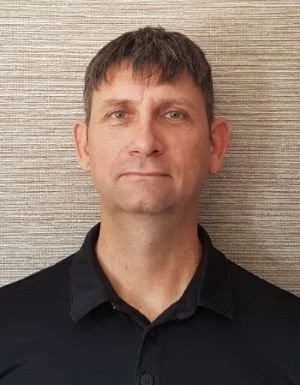
I am mainly known nowadays for my work with Reiki, as a specialist in authentic Japanese Reiki. I am an experienced, Reiki teacher and practitioner with a proven track record of results. I offer Jikiden Reiki training courses, promoting authentic Japanese Reiki teachings. I am based in Sutton Coldfield, Birmingham, in the UK. I have a background in coaching and training in the areas of exercise coaching, holistic lifestyle, fitness, and performance coaching. I also have a BSc.(Hons) degree in Sport and Exercise Science, for more information visit: www.shaunmckeown.com
The information contained above is provided for information purposes only. The contents of this article are not intended to amount to advice and you should not rely on any of the contents of this article. Professional advice should be obtained before taking or refraining from taking any action as a result of the contents of this article. Shaun Mckeown, disclaims all liability and responsibility arising from any reliance placed on any of the contents of this article.
Recommended Reiki Books 'Reiki and Japan'
This book Looks at gives us an insight to Reiki from a Japanese perspective. Written by a senior Jikiden Reiki teacher in Japan, providing a depth of understanding of Japanese culture and thinking specifically in Regard to Reiki. I also looks at western approaches to Reiki from a Japanese view.
Recommended Reiki Book Reading Series Introduction
So in this series, I offer a short concise view of some recommended books on the topic of Reiki. I thought it would be helpful as I get asked the question as to what Reiki books I would recommend on the topic. These are the books I recommend Reiki students read after taking Reiki courses. They can be interesting to those looking into Reiki, however, my view is more to read Reiki articles, to get an idea if it is something you would like to try or to take training in, then book a Reiki treatment to experience it, or attend Reiki training courses, then read Reiki books. As you tend to be able to understand the content in a deeper way having had Reiki training, or at least experienced it, so being introduced to topics that tend to be covered in the books.
Reiki and Japan (2017)
by Masaki Nishina

The Author
This book is written by Mr. Masaki Nishina who is a senior Jikiden Reiki teacher in Japan, who has an interest in Reiki history and being Japanese and has been interested in the cultural interpretations of Reiki in Japan and in the West. This book was published recently in 2017.
It also has the benefit of being edited by Amanda Jayne, for those who do not know her, is a senior Jikiden Reiki teacher here in the UK, who spent some time in Japan and has a good understanding of the culture, which is great, because we can minimize any misunderstandings in the translation of the book into English and also in the understanding of the subject, as both the author and the editor are trained in and indeed teach authentic Japanese Usui Reiki.
So What’s It About?
This book is focused on our understanding of Reiki, going into what it is, how Reiki history shaped its direction, and how Japanese culture and thinking influenced how it was practiced. The book draws on how something is viewed with a Western mind and we see this in Western approaches to Reiki, compared to the Japanese mind, and how that influences approaches to Reiki. A wide range of Reiki topics is discussed in this 200-page book. Some of the other Reiki books I recommend have chapters devoted to Japanese culture, however, this book hones in on Japanese culture and its influence on Reiki and widely comments on differences in the way Western and Japanese people view things around Reiki specifically.
My View of The Book
In my view, this book is a must for anyone who practices Reiki, who is not Japanese. I teach original Japanese Usui Reiki, and although I continue to deeper my understanding of Japanese Reiki, with my primary Reiki teacher being Tadao Yamaguchi himself, along with taking Reiki training from various others with insight into Japanese culture, I am not Japanese. my brain is a Western brain in conditioning and culture. Yes, the technical training of Reiki in Jikiden Reiki is authentic Japanese Reiki training and we do explain a lot about Japanese culture, history, and its influence on Reiki, in our formal Jikiden Reiki training, however with growing up in a Western mind we can sometimes see the same thing, yet take a very different meaning from it. This is where I find this book a nice read.
Additionally, it constantly draws comparisons between a Japanese view of Reiki and Western approaches, mainly in thinking about Reiki. This can be helpful to those of us with Western Reiki training, as an understanding of Japanese culture is absent from such teachings, so can deepen our understanding of Reiki. In my view, this is a supportive book for your study of Reiki. I think it will make the most sense after having taken Reiki training. I think it’s still a useful read if you have not taken Jikiden Reiki training as well. In terms of the order, I would first study the core Reiki books I recommend: ‘This is Reiki’ and Light on the Origin of Reiki’ as your foundation, then approach this book. I found it a helpful and interesting read as a logically mined Reiki teacher. You can order the book below.
Where can I buy a copy of the book?
You can find a purchase link for this book and view my other recommended Reiki book titles here.

Shaun Mckeown specialises in authentic Japanese Reiki. Delivering Jikiden Reiki treatments and teaching authentic Japanese Jikiden Reiki in the UK. Shaun also supports Jikiden Reiki students and professionals. A strategic, creative problem solver with over 20 years of professional coaching experience helping people with health and well-being The last 12 + years specialising in Reiki. He has a BSc.(Hons) degree in Sport and Exercise Science so has both science and holistic perspectives. learn more about Shaun at: www.shaunmckeown.com
The information contained above is provided for information purposes only. The contents of this article are not intended to amount to advice and you should not rely on any of the contents of this article. Professional advice should be obtained before taking or refraining from taking any action as a result of the contents of this article. Shaun Mckeown, disclaims all liability and responsibility arising from any reliance placed on any of the contents of this article.
Recommended Reiki Books 'This is Reiki'
Often I get asked which books I would recommend on the topic of Reiki. so I am doing a series of quick reviews of my favorite Reiki books for you, along with links to get the books. In this review, I look at ‘This is Reiki’ By Frank Arjava Petter.
Recommended Reiki Book Reading Series Introduction
So in this series, I offer a short concise view of some recommended books on the topic of Reiki. I thought it would be helpful as I get asked the question as to what Reiki books I would recommend on the topic. These are the books I recommend Reiki students read after taking Reiki courses. They can be interesting to those looking into Reiki, however, my view is more to read Reiki articles, to get an idea if it is something you would like to try or to take training in, then book a Reiki treatment to experience it, or attend Reiki training courses, then read Reiki books. As you tend to be able to understand the content in a deeper way having had Reiki training, or at least experienced it, so being introduced to topics that tend to be covered in the books.
This is Reiki (2012)
by Frank Arjava Petter

The Author
This is Reiki, was written by one of my Reiki teachers Frank Arjava Petter. Arjava is the Vice Representative of Jikiden Reiki, and was published in 2012. Arjava Sensei has devoted the last 25-plus years to uncovering the truth with regards Reiki history. Much of what we know as accurate Reiki history has come from his research. He is German by birth, so a Westerner, but he lived in Japan for a while, so can offer that perspective.
So What’s It About?
If you click on the link below, Amazon does a good job with their ‘look inside’ feature to see the index topics, but as an overview, but as an overview to get an idea, the book starts with a chapter of explanations of meanings and terms we find in Reiki. A chunky chapter of Reiki history, which is Arjava's passion, is so expected. We then have a section on historical Reiki sites. This 275-page book also has a section on Japanese culture and religious influences. The book then concluded with an in-depth chapter on Reiki practice., such as concepts around delivering treatments. I commonly use the pictures in this book to show students when teaching Reiki history during classes.
My View of The Book
This is the ‘go-to’ Reiki book I recommend to both students of Reiki and those looking into it. As it encompasses a complete view of Reiki in its entirety, from someone with a great understanding of both Japanese and Western approaches to Reiki. As it was published in 2012, I think of it as a greatest hits of his previous Reiki books, with the greater understanding that additional time of research has offered. This book has a lot of depth as well. To be honest there is enough depth for most Reiki students here. In an order of which book order to read, or if only had one Reiki book, which one would I recommend, the overall differing angles, or perspectives of the four or so Reiki books I might recommend in my view present the best approach, however, if I had to pick one book for someone new to Reiki I would start here with this book.
This book in my opinion has pretty much all we need in it to have a good understanding of Reiki. For those new to Reiki, just be aware there is depth to the information here, which is great, I would suggest reading the content, if not trained in Jikiden Reiki , do so, then come back to the content again, then practice Reiki for a year or so, then return again, as the book reveals more to you as you return to it from a place of greater understanding and experience of practice. so don’t worry if the depth seems a lot if you are new to Reiki, just think of it as a reference book with layers each time you read it.
Where can I buy a copy of the book?
You can find a link to purchase this book and view my other recommended Reiki book titles here.
Shaun Mckeown specialises in authentic Japanese Reiki. Delivering Jikiden Reiki treatments and teaching authentic Japanese Jikiden Reiki in the UK. Shaun also supports Jikiden Reiki students and professionals. A strategic, creative problem solver with over 20 years of professional coaching experience helping people with health and well-being The last 12 + years specialising in Reiki. He has a BSc.(Hons) degree in Sport and Exercise Science, so has both science and holistic perspectives. learn more about Shaun at: www.shaunmckeown.com
The information contained above is provided for information purposes only. The contents of this article are not intended to amount to advice and you should not rely on any of the contents of this article. Professional advice should be obtained before taking or refraining from taking any action as a result of the contents of this article. Shaun Mckeown, disclaims all liability and responsibility arising from any reliance placed on any of the contents of this article.
Reiki Training Levels Explained
This article is primarily for those looking into Reiki and are looking to understand the levels of training, or titles people use within Reiki. The first level of Reiki training is Shoden, which means beginner level. This level is commonly termed as level 1 in western approaches to Reiki, which are more common, so you will more likely come across the term Level 1 than Shoden, when looking into Reiki.
Reiki training has 2 levels of training. The first course is called Shoden (beginner level) and Okuden (deeper level). In Japanese Jikiden Reiki, these might be taught together. Beyond this is teacher training levels.
This article is primarily for those looking into Reiki and is looking to understand the levels of training, or titles people use within Reiki.
The first level of Reiki training is Shoden, which means beginner level. This level is commonly termed as level 1 in Western approaches to Reiki, which are more common, so you will more likely come across the term Level 1 than Shoden, when looking into Reiki. Although there are huge variations in what is actually taught within this first level of training, you can think of them in terms of a course level as the same thing. These courses tend to be 2 days in duration, which is how we tend to deliver this course in Jikiden Reiki.
As a side point- all formal Reiki courses need to be conducted in person. These courses irrespective of approach, or style of Reiki should be held in person with your Reiki teacher- anything that suggests you can learn Reiki remotely and that parts of the course such as receiving Reiju (commonly termed attunement) can be delivered remotely and is sufficient is misguided- there is a teacher there for a reason. It’s a bit like trying to learn a martial art via an E-book, or pre-recorded online course. You have elements in the training that you need to be there in person.
The next level is Okuden, which means deeper level. This is comparable to what would be commonly termed a level 2 Reiki course. This tends to be conducted as either 1 or 2 days of training. In Jikiden Reiki we tend to deliver this training in one day. Again what is taught varies greatly.
From a traditional Japanese/ Jikiden Reiki view, at that point you have completed the formal Reiki training as taught by Usui Sensei the founder of Reiki, and unless you wish to become a Reiki teacher that’s it. In the West many schools of Reiki suggest or commonly require taking the second level of training after a period of 3 months of experience. This tends to be due to the fact that in Western teaching it is common for the teacher not to see a student that many in-between levels of training and it’s deemed a good idea to have some experience before performing Reiki on the public.
With Jikiden Reiki we tend to deliver both courses back to back. This was partially due to travel in old Japan that was challenging, especially in winter. It was part of the study of Reiki to repeat training and attend workshops to practice, and develop understanding and you would see your Reiki teacher again many times, so it was less of an issue learning both levels together. I find there are techniques we teach in the second course that is useful for the complete beginner, so many times I would recommend both levels to be taken at once for most people.
Level 2 in Western schools of Reiki might be termed as a practitioner level, as it is at that point deemed that some experience has been gained to practice Reiki on the public. In Jikiden Reiki you have all the skills to work with the public from Shoden (level 1) the norm is that insurance companies require Okuden (level 2). Some Reiki courses discuss professional practice within level 2 also, so lean towards the term practitioner level. So up to this point, things tend to be similar, then it gets interesting. The next step is if you wish to become a Reiki teacher. Collectively this can be termed as Shipiden.
Originally in Japan and very much in Japanese culture teacher levels are granted in a gradual, controlled, permission-based way. Commonly controlled by the head of the organization. When Reiki spread in the West variations appeared immediately, Most notably in the West, we see the term Master used to denote a Reiki teacher. Someone called a Reiki Master is just a teacher of it, they are the same thing.
In the West, a common variation after Okuden (level 2) is what is termed Master practitioner, sometimes termed Level 3, or 3A. Suggested additional techniques learned some may learn their attunement process- how to activate Reiki at this level. Other groups may call this an ‘Advanced’ level, or ‘Advanced Reiki Techniques’ course. Having previously been a teacher in western Reiki approaches and modified approaches as well, I have taken such courses myself, these tend to have additional healing techniques that are not Reiki related, that in my opinion kind of ‘pad out’ the content in a superficial way, rather than offer any additional depth.
Commonly we then have a Reiki Master Teacher, 3B or similar. Most require a period of 9 months of experience to take this level. At this point, they tend to learn how to teach ALL levels of study, level 1, level 2, Master Practitioner, and Master Teacher in one go. Then have permission to go into the world and teach all levels the next day (anyone else sees a problem here?). Well From a quality perspective, it has caused many problems, however, it has helped, indeed is largely responsible for the speed of the spread of Reiki in the world.
With Jikiden Reiki, as in the traditional way of Reiki, we have a stepped permission-based approach with the level Shihan Kaku (assistant teacher) as the first teacher level, which means you have permission to teach the Shoden (level 1) training course. This training tends to be a couple of days and is completed after a period of time, a minimum of 6 mths, but commonly a year, gaining experience and various prerequisites, such as repeating all training levels at least once again. This training and assessment process can only be conducted by a select number of senior teachers (Dia Shihans).
The second teacher level is called Shihan (full teacher) this permits the teacher to teach the complete Reiki system, so both Shoden (level 1) and Okuden (level 2). This tends to be a couple of days of training after more prerequisites, further repeating of all formal Reiki course levels and assistant teacher level again, with additional tracking of skill level, teacher proficiency, etc. Key to note Jikiden Shihan-Kaku or Shihan teachers doesn’t make other teachers. This level is granted by the Representative (president) or vice Representative of the organization only.
In Japanese Reiki, there are no further course levels you can take, further levels tend to be awarded to a few individual teachers after many years of dedication to the organization and are not something ever to be asked for. The next level is Dia Shian (senior teacher). This group is permitted to teach Shoden, Okuden, and Shihan-Kaku course levels. In Jikiden we then have a Vice Representative and a Representative- the President or head of the organization, who teach all levels. These titles are more organizational titles.
In a few approaches to Reiki in the West, there is another less common variation to this which started in the 1980s at an organizational level when a Western Reiki association created a new title level to try and reinforce the head of their organization after Western teachers started to split and were off doing their own thing, which is a term ‘Grand Master’. This term was created in the USA and was intended for one person, so in a similar way that Usui Sensei was the President of the original Reiki organization, and My Teacher Tadao Yamaguchi is the head or ‘Representative’ of the Jikiden Reiki organization. This term, however, has found its way into a level of study with a few Reiki teachers/organizations, where it’s a course level you can take. I do not wish to spend much effort on this point, I just mention it as I am aware of this in the area I operate from, so if you are in my area, you might come across the term. I know a teacher locally to me who creates grandmaster teachers, who by the way is a gifted healer, however in terms of levels of Reiki, this level does not exist in Usui Reiki. There are sub-parts to Reiki training. Shoden has 3 parts, Okuden 2 parts, then there are teacher levels. In early Japanese times, there were pre-formal training parts, like public workshops, that were dropped when stronger legal restrictions to healing in public in Japan came into force. If this term for a course level was created from a marketing or ego view, I do not know, but it feels to me to be going in the opposite direction to Reiki and is nothing to do with authentic traditional Japanese Usui Reiki. So to summarise
Western Reiki Approach (most common you come across, just by volume)
Level 1
Level 2
Master Practitioner (or some kind of Advanced level)
Master Teacher
Japanese Jikiden Reiki Approach
Shoden (beginner level)
Okuden (deeper level)
Shihan Kaku (assistant teacher)
Shihan (teacher)
Dia Shihan (senior teacher)
Organisationally- The founder Usui Sensei was the President of the organization originally, with Jikiden Reiki we have a vice representative & Representative heading the organization internationally.
So that is enough understanding to get you through navigating the differing terms and understanding levels of Reiki courses and titles used. For more discussion on the differences between Jikiden Reiki and Western Reiki see my Article: Jikiden Reiki and Western Reiki, Whats the Differences? If you would like to find out more about authentic traditional Reiki, click on the link to find out more: Jikiden Reiki Courses

I am mainly known nowadays for my work with Reiki, as a specialist in authentic Japanese Reiki. I am an experienced, Reiki teacher and practitioner with a proven track record of results. I offer Jikiden Reiki training courses, promoting authentic Japanese Reiki teachings. I am based in Sutton Coldfield, Birmingham, in the UK. I have a background in coaching and training in the areas of exercise coaching, holistic lifestyle, fitness, and performance coaching. I also have a BSc.(Hons) degree in Sport and Exercise Science, for more information visit: www.shaunmckeown.com
The information contained above is provided for information purposes only. The contents of this article are not intended to amount to advice and you should not rely on any of the contents of this article. Professional advice should be obtained before taking or refraining from taking any action as a result of the contents of this article. Shaun Mckeown, disclaims all liability and responsibility arising from any reliance placed on any of the contents of this article.
Is There Such A Thing As ‘Styles’ of Reiki?
The idea of this article topic has come from a recent conversation I had with a Reiki student, however, it is a conversation that I have on a regular basis with those with an interest in Reiki, or are looking to Reiki to help them in some way. In this example, the conversation topic was after this person took Jikiden Reiki training and was trying to get their head around what they should now call their previous healing therapy that had the word Reiki in its title, yet they now realized what they were previously taught actually bears little resemblance to Reiki.
The idea of this article topic has come from a recent conversation I had with a Reiki student, however, it is a conversation that I have on a regular basis with those with an interest in Reiki, or who are looking to Reiki to help them in some way. In this example, the conversation topic was after this person took Jikiden Reiki training and was trying to get their head around what they should now call their previous healing therapy that had the word Reiki in its title, yet they now realized what they were previously taught actually bears little resemblance to Reiki. However, I have similar conversations with others around just trying to understand the options when searching online for Reiki courses, when faced with a sea of different titles of courses, all with the word Reiki in them.
So in this article, I wish to present my view from my experience and observation as a Reiki teacher and practitioner, having been trained in various approaches to Reiki, both original Japanese, western and modified with a variety of different titles that all have the word Reiki in them, as such might be classified as different styles of Reiki. I have also taught many healing professionals authentic Japanese Reiki who themselves are trained in all manner of healing approaches with various titles, many with the word Reiki in them. This article is primarily speaking for those newer to Reiki, so is an overview rather than an in-depth investigation, however, the points are relevant for any level of practice. Hopefully, I can at least reduce confusion a bit (as you will see its not totally clear cut) or at least simplify the process of selecting Reiki training for those looking for a Reiki teacher/ Reiki courses, saving you going in a direction that is not what you are looking for. For those trained in Reiki, this article simply offers a perspective on this topic of interest.
In this article, I’m not going to get on my soapbox and rant about all the reasons why this way is authentic and accurate and that way is not. You are welcome to look at my other articles, and will not have to go far to find me ranting about such topics. The question here is: Is there really such a thing as different styles of Reiki at all?
If we start with Reiki itself, let’s define it as ‘the practice of Reiki’, as an original practice developed by its founder Usui Sensei in Japan, in the early 1920s. The term Reiki was specific to this practice and the system developed by Usui Sensei, so for the purpose of this article let’s package that as the specific techniques, methods, philosophy, the path of daily practice, a way of life, and an expression of compassion in action.
There is now a huge variation just under the banner of Reiki/ Usui Reiki itself today in both the West and indeed Japan (as modified Western Reiki approaches were taught in Japan from the mid-1980s). With no central standardized training, content, and quality control is a bit patchy (that’s me attempting to be humorous). There is no ‘Reiki police’ and in many approaches to Reiki, teachers are free to amend what is taught at will. So to start with even if everything Reiki was just called the same thing, from a consumer perspective there would still be a huge variation in what you would learn, so that wouldn’t solve the issue of differing approaches to Reiki completely.
Now let’s add a bit more confusion into the mix. What I teach, is Jikiden Reiki (meaning directly taught: a name to symbolize its focus on the original Usui Reiki teachings). Jikiden Reiki itself could easily be misunderstood and could fall victim to being categorized as a style of Reiki, as a formal organization it’s only 20 years old (when the original teachings came to light to us in the west). At that time it needed a name, a trademark to add to the word Reiki, to centrally control the teachings from Japan, so what is taught and who could claim to be trained to teach it was managed. So it might look like a later addition or style of Reiki, yet in reality Jikiden Reiki is actually the original Usui teachings, bringing back the original teachings of Usui (more so than things commonly titled Usui Reiki). Jikiden Reiki is the only known authentic original Usui Reiki teachings available for the public to learn. In Japan or the West. So you thought it was confusing before!
In Japanese culture, in general, the focus is on simplicity and depth of understanding, in the west the dominant thinking is adding more at a superficial level, more techniques, symbols, etc. Sometimes such additions are even presented as an advanced next step beyond conventional Reiki training. Reiki is more about letting go, rather than adding. I invite to pause and ponder on that for a moment………..
In my Reiki path I have come across these different styles and tried to make sense of it all myself in my selection of Reiki courses and ongoing development, so I do understand it from the consumer side of the fence as well. Over the years some Reiki teachers looked at Reiki and thought: if I add ‘xyz’ to it, or merge it with this other helpful method I will improve it/ build on it, develop it, and evolve it in some way. Look my brain is wired to innovate and improve things, however, in regard to Reiki, that way of thinking is misguided. My view is that such thinking will only complicate that which should be simple, and will not add much to our ability to help ourselves and others. A point that resonates with me is that one of my Reiki teachers said words to the effect of: “In one way the idea of improving Reiki, is like saying: today with my level of human comprehension of existence I will improve on nature itself”. We need to also bear in mind the reality that most Reiki teachers have not been trained in the original Reiki teachings, so even with sound intentions may not realize what they are doing even if it was in the aim to improve Reiki and it is not needed at all.
Many rebrand what they do and add a word in front of the word Reiki to identify it, indicate a style shift, or separation from the original, this does at least help us classify what they teach and their perspective on things, so we understand the teachings will deviate from the original. My common observation is that you might get max 50% of the teachings having roots from the original Usui Reiki, 25% misunderstandings of the original Reiki, and 25% parts that are nothing to do with the original Usui Reiki. Not to say they are not helpful in their own right, but commonly the way of thinking with such additions is actually opposed to the way of thinking of Usui Reiki, so rarely help and they would not be enhancing Reiki, they are simply a different method to healing joined to it in most cases (but not all) without a full understanding of Reiki.
So in a way with no central control of Reiki when it came to the West and with so many people with differing interests, motives, and views around Reiki and healing, added to which a sprinkle of desire for control of ‘the creative direction’ of courses, decision making, income, etc, is it just inevitable that different breakaway approaches would form and try to stand out and stake their place in this ‘wild west’ world of Reiki? (that has got to be the first time I’ve written the words wild and Reiki in the same sentence). Much in Reiki circles is to focus on similarities, rather than differences. However are variations of the original just increasing separation, and hindering mainstream acceptance of Reiki?
Add to this we have Associations and governing bodies looking to be inclusive of all approaches with broad criteria for acceptance under the banner of Reiki. My view is that Reiki is Reiki there is one practice/system that is Reiki. The one Usui Sensei founded. Then under the banner of Reiki, there are a variety of healing approaches, they may have their roots in the teachings of Usui Sensei, yet have all moved differing distances away from the original teachings and ideas of Reiki. Indeed many have migrated far away from the original teachings, in thinking, techniques and focus of the Reiki Usui Sensei developed. The distance between different approaches (what might be termed as styles of Reiki) can be far away from the original and what is taught varies hugely. As much as we talk about inclusion and ‘honoring differing schools of Reiki’, should honoring what the founder of the practice that we claim to be teaching be of primary importance to any school of Reiki rather than honoring a school’s deviations from the original teachings?
As I write this article one Reiki association I am a member of has just emailed me clarification of their position regarding differing Reiki styles and what they recognize. No doubt in response to membership requests from people with qualifications with the word Reiki in them, they likely have little resemblance to Usui Reiki. Look there are many good teachers out there teaching what I might class as Western approaches, or a bit away from the original Japanese Usui Reiki and they could be helping many people, my primary concern is those very far away from the original teachings still using the word Reiki. My question would be how far would something need to get away from the original for it to no longer resemble it? Be that in content missing or content that is not Reiki at all. Personally from a consumer view if I was looking for Reiki, or to sign up for a Reiki course and be trained in it, I would want the authentic Reiki, -what I thought I was getting, not a dilution, variation, or mix of it with other things.
My take would be if as a Reiki teacher, you are going to deviate from what Usui Sensei developed (Reiki) then call it something other than Reiki. For those looking for original Reiki to learn, my advice is to speak to a Jikiden Reiki teacher. There are more of us internationally now (all training being controlled and registered from Japan). I recommend if you want to learn Reiki, learn the original, then if you still wish to explore other approaches to healing or feel drawn in a different direction, you do so from a great place of understanding of Reiki. I am aware of teachers who have done so and still wished to create their own style of Reiki. One such teacher termed it in a way I like, comparing it to a tree, emphasizing the importance to ensure the roots and trunk are strong (take authentic original Japanese Reiki training, i.e. Jikdien Reiki training) then from that place, if you still wish to go off in a different direction (the branches) do so and your tree is strong. However, if you have a lack of understanding of the original and go straight to the branches, your practice will be compromised. The practice is built on a weak foundation of understanding of Reiki. What we find common with Jikiden Reiki, is that once you know the original, anything else doesn’t make that much sense to learn As such Jikdien Reiki tends to attract those looking for authentic training, as it did with me.
My place in this space is to help people with authentic Usui Reiki teachings. Be that with reiki treatments, Reiki training for those new to Reiki or who have had Reiki training before, as well as educating Reiki professionals. Everyone can benefit from what the original Reiki teaching offers us, so I would suggest anyone with an interest in Reiki look into Jikiden Reiki. I hope you found this article of interest and got you thinking and explained some considerations in regards to this topic and hopefully, I didn’t add too much confusion to this topic. For more discussion on the differences between Jikiden Reiki and Western Reiki see my Article: Jikiden Reiki and Western Reiki, Whats the Differences? For information about Reiki training see my website for Jikiden Reiki courses.

I am mainly known nowadays for my work with Reiki, as a specialist in authentic Japanese Reiki. I am an experienced, Reiki teacher and practitioner with a proven track record of results. I offer Jikiden Reiki training courses, promoting authentic Japanese Reiki teachings. I am based in Sutton Coldfield, Birmingham, in the UK. I have a background in coaching and training in the areas of exercise coaching, holistic lifestyle, fitness, and performance coaching. I also have a BSc.(Hons) degree in Sport and Exercise Science, for more information visit: www.shaunmckeown.com
The information contained above is provided for information purposes only. The contents of this article are not intended to amount to advice and you should not rely on any of the contents of this article. Professional advice should be obtained before taking or refraining from taking any action as a result of the contents of this article. Shaun Mckeown, disclaims all liability and responsibility arising from any reliance placed on any of the contents of this article.
What is Reiki?
As someone who teaches Reiki as well as delivers Reiki treatments, the most frequently asked question I get is, "What is Reiki?" In the western world, Reiki is commonly defined as universal healing energy. A more accurate definition, taken from the meaning of Reiki in the original Japanese language, where Reiki originated would be soul energy with 'Rei' meaning soul and Ki meaning energy (above is the original way of writing Reiki in Japanese kanji characters).
Reiki is an original method of natural healing developed by Mikao Usui in Japan in the early 1920s. Reiki is a natural healing therapy that is both a path of personal growth and a method of healing for yourself and others. It channels energy, which is transferred by touch. This natural therapy is used to restore balance in mind and body, and can help people in many ways.
As someone who teaches Reiki as well as delivers Reiki treatments, the most frequently asked question I get is, "What is Reiki?"
The practice of Reiki is an original method of natural healing developed by Mikao Usui in Japan early 1920s. Reiki is a natural healing energy that works on every level, not just the physical, and is understood to promote the body’s regenerative self-healing ability. We live in a world of energy that nourishes and maintains all living things. When this energy flows uninterrupted there is balance and harmony within and around us and we experience a sense of well-being. Our body uses Reiki energy to bring us into balance and is believed therefore to reinforce the body’s natural ability to heal itself at all levels, whether physical, mental, or emotional, to bring us more in alignment with our natural state.
As a natural form of healing, Reiki can support and enhance other forms of treatment. The method of receiving a Reiki treatment from a practitioner is simple. The recipient remains clothed and lies on a couch or sits on a chair and relaxes. The practitioner gently places their hands non-intrusively, on areas of the body and channels energy through them to you.
At its core, Reiki is a path of personal growth and development, however, most people’s first experiences of Reiki will be from receiving a Reiki treatment, it is commonly seen as a natural therapy, people can even be trained in Reiki, to further support healing, helping themselves and others with Reiki. It is a tradition that is open to any belief system. Reiki is a healing process that anyone can benefit from in the normal course of their life.
It can appear there are various types of Reiki. In reality, to those who really understand it, there is the original, then various approaches, some term ‘style’ out there that are just various distances away from the original, in both understanding, philosophy, techniques, etc. Original Usui Reiki makes up only a fraction of the Reiki out there. If you are interested in the original, or authentic Reiki my advice is to find a Jikiden Reiki teacher or practitioner. That point aside people can see great results with all manner of healing approaches under the title of Reiki.
The Reiki practitioner’s ability is in their technical understanding, perception, and interpretation of the signals the recipient’s body is presenting them as to where the areas of disruption, stagnation, and tension are in the body and where the need for healing is. However be aware it is your mind/ body’s wisdom at a deep level that is directing the healing, think of the energy as the fuel and the practitioner as the channel rather than a practitioner having special powers. Each person’s patterns of imbalances or disruptions in their flow of energy can come from various sources including their physical well-being and emotional stress, so each person’s needs and benefits differ, but everyone can benefit from Reiki.
The benefits of Reiki are on many levels. Some levels people can be aware of, while others are more subtle but no less important to personal growth, healing, and well-being. Although many have reported Reiki has helped them with specific conditions, it can be helpful (and professionally more appropriate) to view benefits in a holistic way, with key benefits of promoting relaxation, promoting balance, and inner calm, supporting the body's natural healing mechanisms, as well as a person’s personal growth as a whole as benefits of Reiki. Reiki treatment is non-invasive and is used holistically to restore balance in mind and body, which anyone could benefit from. The most common and most widely accepted benefits of Reiki are its beneficial effects on emotional healing and a sense of overall well-being. Reiki’s ability to bring about deep relaxation is also well-known. Many also report Reiki bringing about a deep sense of overall calm and peace.
Someone can also channel Reiki energy after a period of in-person study and crucially after a series of specific 'Reiju' when the existing channel/ connection in all of us is cleared allowing a person to then channel Reiki energy. This is conducted by the person’s Reiki teacher in person. The word attunement is commonly used for this event in the Western world, however, Reiju is the correct term (attunement suggests something is out of alignment, which is not the case, it is more of a clearing). In the application of Reiki as a therapy, with a practitioner delivering a Reiki treatment to a recipient, the influence of Reiki energy is believed to be within a person's whole being: their body, and mind, viewed as one interactive entity, rather than separate functioning systems. Within the Japanese language, the word for body and mind are the same, as they understand there is no separation between the two. Eastern systems of health have understood this for thousands of years, understanding that we live in a world of energy, which flows through all life. The balanced flow of energy within a person is considered to be the foundation of health and well-being.
Reiki is believed to work by stimulating the clearance of both stagnation and disruptions to energy flow, as well as supporting the effective function of the body's natural healing mechanisms to promote balance. The smooth uninterrupted flow of this Ki energy is the basis of health and well-being from an Eastern view of medicine which believes that nature has equipped our body with mechanisms and its own wisdom to cleanse and hold a point of balance.
However, in the modern world, the increased total loads on physical and psychological well-being have lessened these abilities as a result of what the body is exposed to in terms of stress, the pace of life, pollution, nutritional toxicity, mental and emotional stresses, as well as migration away from nature and increased challenges on the mind and happiness living in the modern world. Reiki offers a practical mechanism to support the body's natural cleansing processes to promote the body's migration towards a state of balance, well-being, and greater happiness.
Reiki in its original application was a path towards being in our natural state, during this journey we will have opportunities for the development of our-self, with a focus on our thinking and actions. A person would receive Reiju and thereafter have the ability to channel Reiki themselves. In addition to the benefits already listed, as a student of Reiki, you would have the potential for further progress in personal healing and the development of thinking and character.
As a student of Reiki, there is also a focus on living with gratitude, helping others, being present, a focus on dissolving anger and worry and migrating to a place of peace of mind, contentment, and happiness. The potential positive effects on a person at this depth of Reiki are even deeper than receiving Reiki treatments alone. Learning Reiki is available for those who wish to benefit from the greater potential this level of involvement in Reiki has to offer. Reiki is independent of any religious system yet can benefit a person of any religious or spiritual belief system. You do not need to have spiritual beliefs to receive the benefits of Reiki. People are drawn to Reiki at a time when they are ready to receive it, or at a time they are in need of it. With many, the actual benefit gained from Reiki can be more subtle, such as calming their minds and allowing their own intuition to be heard to guide them in decisions in their life. I hope this overview of Reiki, has been helpful and deepened your understanding of it. To find out more see my website Jikiden Reiki Courses and Reiki Healing. There is also more information about Reiki in my other Reiki articles. Or common Reiki questions are answered on my Reiki Frequently Asked Questions page. If you are in the mood to read another article, a good one to read after this one to help your understanding is the one called: What is Jikiden Reiki?
I am mainly known nowadays for my work with Reiki, as a specialist in authentic Japanese Reiki. I am an experienced, Reiki teacher and practitioner with a proven track record of results. I offer Jikiden Reiki training courses, promoting authentic Japanese Reiki teachings. I am based in Sutton Coldfield, Birmingham, in the UK. I have a background in coaching and training in the areas of exercise coaching, holistic lifestyle, fitness, and performance coaching. I also have a BSc.(Hons) degree in Sport and Exercise Science, for more information visit: www.shaunmckeown.com
The information contained above is provided for information purposes only. The contents of this article are not intended to amount to advice and you should not rely on any of the contents of this article. Professional advice should be obtained before taking or refraining from taking any action as a result of the contents of this article. Shaun Mckeown, disclaims all liability and responsibility arising from any reliance placed on any of the contents of this article.
What is Jikiden Reiki®?
This article is primarily written for and to help those who are looking to learn Reiki and are considering which is the right course for them, who have come across my website and maybe for the first time the term Jikiden Reiki and wish to understand a bit more about it. My aim is to provide an insight into Jikiden Reiki, as well as highlight some of its characteristics.
Jikiden Reiki is how Usui Reiki was originally taught in Japan before it came to the West, when Reiki started moving away from the original teachings and some understanding of Reiki was lost. With Jikiden Reiki, you learn Reiki in its complete original form.
This article is primarily written for and to help those who are looking to learn Reiki and are considering which is the right course for them, who have come across my website, and maybe the term Jikiden Reiki for the first time and wish to understand a bit more about it. My aim is to provide an insight into Jikiden Reiki, as well as highlight some of its characteristics.
Although it can be considered to be desirable to focus on our similarities, rather than our differences in the Reiki world, in the context of understanding what Jikiden reiki is, a comparison to other approaches to at least be able to see where Jikiden Reiki sits in an environment of multiple variations and approaches out there all under the banner of 'Reiki' can be helpful. Better understanding the characteristics and methods of Jikiden Reiki, can help you make a more informed choice as to the best direction for you in your study of Reiki. Just today I had a conversation with another person looking to learn Reiki who was trying to make sense of all the choices out there for Reiki training.
In a nutshell, Jikiden Reiki is authentic Japanese Usui Reiki, as practiced and taught in the late 1920s and 30s in Japan, with no Western influence or adaption to the original teachings of the time. Most people assume, and why wouldn't they, that everything under the banner of Reiki is the same thing. It is a correct statement that Reiki energy is Reiki energy, regardless of approach or what is commonly termed ‘style’ of Reiki. To a degree, they have strong similarities: they all channel energy through the practitioner's hands to the recipient; Most have their roots in or originate from the Usui Reiki system of healing and they all help people. Yet there are marked differences in understandings, teachings, techniques, and applications between differing Reiki ‘styles’. Many in the professional Reiki community are completely unaware of this fact (Reiki masters included) so do not worry if this is new information for you.
Having personally had the pleasure of learning Reiki at the teacher level in various ‘styles’ of Reiki, I am grateful to all those who I have learned from. I am writing this article with an understanding of what is taught in differing Reiki styles and that this understanding has come from teachings and professional practice rather than a place of academic research, or reading books. I have witnessed great healing in all Reiki styles I have learned, and with the knowledge and understanding of Reiki I have now, I have made a personal choice to practice and teach Jikiden Reiki exclusively. Jikiden means 'directly taught'. The significance of the word 'directly' being the teachings is not modified in any way as they are passed down by teachers to students. They are taught the same way as in Japan in Reiki's early days.
The Jikiden Reiki Institute was founded in 1999 by the late Chiyoko Yamaguchi and her son Tadao Yamaguchi (My own Reiki teacher). At first glance, it may appear as though it would be a new style of Reiki having only been formed in 1999 but this is not the case. When forming the organization it was important to choose a name to protect the integrity of the teachings and authenticity of the training. Hence the choice of Jikiden Reiki, which is now a trademark, with the Jikiden Reiki Institute in Kyoto, Japan. Today, following Chiyoko sensei's death in 2003, Tadao sensei is the Representative, or head of the organization, or president, with Frank Arjava Petter (the prominent Reiki author and authority on Japanese Reiki history) as its vice Representative. It has teachers all over the world now in various countries including the UK, of which I am one based in Sutton Coldfield, Birmingham, UK.
In order to understand some of the characteristics of Jikiden Reiki, we need to overview some historical events. The roots of Jikiden Reiki came from the discovery in the mid-1990s that a direct student of Hayashi Sensei, Chiyoko Yamaguchi Sensei, was alive in Japan and had been practicing Reiki every day since the mid-1930s, however receiving it for quite a few years prior as well. Up until this discovery, it was thought that no one was still alive who was directly taught Reiki by Hayashi Sensei who was a prominent student of Usui Sensei, the founder of Reiki. Hayashi sensei is widely acknowledged as having facilitated the spread of Reiki to the rest of the world as he taught Mrs. Takata from Hawaii, in the mid-1930s as well. It was through Mrs. Takata that Reiki spread from Hawaii to the USA and then globally, including importing the Western version of Reiki to Japan (the original Usui Reiki teachings were not taught publically after the second world war). These imported styles all came from the teachings and lineages of Mrs. Takata who died in 1980. Both Chiyoko sensei and Mrs. Takata were trained to Shihan (full teacher level) directly by Hayashi sensei around 1939 and 1937 respectively.
As Reiki spread in the USA, into Europe, and then Asia the original Usui Reiki system was modified: key components were omitted, new approaches added, and key focuses were diluted. The traditional controls on who became a teacher were removed around the time of 1981. It was, therefore, an amended version of Reiki which was re-introduced to Japan in the mid-1980s.
It is only fair now to make the point that these adjustments supported Reiki's spread and indeed Reiki may not have survived globally without such amendment. However, the point is that by this stage the Reiki being taught had many differences from the Reiki taught by both Usui sensei in the 1920s and continued by Hayashi sensei in the late 1920s up until his death in 1940.
The term 'Western Reiki' is a term sometimes used to identify these amended teachings and is by no means meant in a disrespectful way, it is just a way of classifying what kind of Reiki, or what teachings are being described. The term was first coined by one of the presidents of the Usui Reiki Gakki (the original Usui Reiki society) in Japan in the early 1990s in reference to the imported Reiki being taught in Japan at the time and its thinking and approaches being somewhat away from the original Usui practice of Reiki. This term tends to only be used by Japanese-trained Reiki people anyway. In the context of this article, I use the term to help in identifying differing Reiki teachings.
I have seen some Reiki teachers presenting their Reiki classes as traditional Japanese teachings when they are clearly not, bolting on some granted very useful Japanese Reiki techniques onto a Western Reiki syllabus. It is again important to note that any Reiki style has value in helping people and all approaches to Reiki have the potential to work. So rather than saying that some of what is being taught is incorrect in the Western styles, it is a better way to view such teachings as say being further away from the original teachings of Usui sensei to varying degrees. From a consumer point of view if you wish to learn authentic Japanese Usui Reiki, then understanding the differences is important in order for you to be able to make an informed decision as to what Reiki training course you would like to take.
So as I have already mentioned the way Reiki is taught within Jikiden Reiki comes from the teachings of Hayashi Sensei, as taught to Chiyoko sensei in the mid-late 1930s. She then passed on these teachings to her son Tadao Sensei. The key point is that the culture and integrity of the Reiki teachings, or system are intact. With regards to the teachings themselves, they have a simplicity, yet depth within them. There is much emphasis on the Gokai (the guiding principles we live by as students of Reiki) to support us in life and our growth. You learn techniques that have disappeared in Western Reiki styles. There are key components of how Reiki was used in Japan in Usui sensei and Hayashi sensei's day that are not found in other Reiki courses.
In practical terms, the Reiju (termed attunement in western Reiki) you receive is again technically different from other Reiki styles. You can be confident that you are learning correct information regarding Reiki history and applications. You are trained in the traditional understanding of Byosen, which Usui sensei observed in treatments and can be classed as the cornerstone of Japanese Reiki and is the primary treatment method used in all Jikiden Reiki treatments. You learn other components that work in partnership with this understanding to enhance treatment effectiveness. You also learn how Japanese Reiki treatments are conducted, with long periods of time at locations, without the preset hand position sequences as commonly seen in many other Reiki styles.
Who becomes a Jikiden Reiki teacher also follows traditional ways. To become a teacher requires repetition in learning followed by permission to become an accredited Jikiden Reiki Shihan Kaku (Assistant Teacher) and Shihan (Teacher) is granted by the head of the organization/representative of the Institute Tadao Yamaguchi (or the vice representative alone). Following various assessments and repetition of training, the grade of Shihan Kaku is granted which permits the teaching of the first (beginner) level of Jikiden Reiki Shoden. After commonly a year or so of gaining experience teaching, further assessments are carried out, and all training levels are repeated with the addition of a further teacher course before the grade of Shihan is granted. This permits the teaching of the second level, Okuden (deeper learning).
For those of you with knowledge of other Reiki styles, you will again notice distinct differences in Jikiden Reiki with regard to teacher levels. Rather than being a 'become a teacher and off you go' setup, it takes time and investment in both experience and repetition of training in order to gradually be permitted to teach the two levels that are the Jikiden Reiki system. For example in my case, at this time, in attaining Shihan (full teacher) I have taken Shoden and Okuden levels (comparable to levels 1 and 2 in the west) both six times (three times with Tadao sensei himself), Shihan Kaku tree times plus my Shihan training twice (having completed all levels with the vice representative- Arjava Sensei as well). Furthermore, as set by Usui sensei and observed by Hayashi sensei, Reiki teachers are not permitted to create other teachers they simply train people to Shoden or Okuden, dependent on their own teacher grade. It is primarily the President of the organization, so with Jikiden Reiki Tadao Yamaguchi, plus a handful of Dai-Shihans (Senior Teachers) globally, who are permitted to teach Shihan Kaku level, with an even smaller number who are permitted to teach the full Shihan level. These senior levels are granted many years of service and contribution to the Jikiden organization rather than a course to ask to do.
So from a student perspective, the complete Jikiden Reiki system is taught at the Shoden and Okuden levels. Teacher levels are purely for those who wish to teach and learn the Japanese Reiju method to be able to teach Reiki to others. This original Japanese way helps to preserve standards in teachings, and from a consumer view, it is a good way of having confidence in the teacher's ability, knowing they are accredited by the central organization. In Western Reiki styles, and therefore with most Reiki in the UK, a teacher can create another teacher with no pre-screening or ongoing observation or control, who then, in turn, can create more teachers and can modify the teachings at their discretion. There are some great Western Reiki teachers, what I am pointing out is the open approach to becoming and creating other teachers seen in other Reiki styles leads to great variability in teaching quality as well as variations in teaching content.
As was the case in the 1920s and 30s Japan, with Jikiden Reiki there continues to be a great emphasis on the value of receiving Reiju (the process of clearing the channel to use Reiki energy) and there are events set up for the ongoing receiving of Reiju and to practice Jikdien Reiki, to build experience and confidence alongside other students of Jikiden Reiki. So Jikiden Reiki offers a high level of structured, ongoing support to students, which again contrasts with many other styles of Reiki. This repetition in teachings also adds depth to someone's understanding of Reiki.
My view is that when repeating a course you are at a different place in terms of self-awareness and growth, your view or perspective is at a different place, you have been using the techniques so your questions are coming from a place of some experience using the material and concepts previously taught, so the experience is reinforcing and supportive, deepening your study of Reiki. I personally found I wrote just as many notes the third time of repeating Shoden and Okuden as I did on the first occasion, and of course, with a different group come differing Q and A topics as well. Jikiden Reiki is set up to support this by offering opportunities to repeat Shoden and Okuden training at markedly reduced costs. What is more, all UK pricing is fixed for all authorized Jikiden Reiki teachers in both the initial and repeating course fees by the Institute in Kyoto, Japan.
Jikiden Reiki will tend to suit people who value authentic Japanese teachings, and who value learning accurate information and teachings. My view is that there is value in everyone with an interest in Reiki taking Jikiden Reiki Shoden and Okuden level training, even if they do migrate towards more amended approaches to Reiki, at least you have correct core teachings as a foundation. Jikiden Reiki is practical, solid, and authentic. I hope this has been an interesting article for you. Should you have any further questions look at the information on Jikiden Reiki courses with the link below, or if you are looking to take Reiki training and are interested in taking Jikiden Reiki training with me in the Midlands area of the UK, you can get in touch. If you are further afield in the UK contact a Jikiden Reiki teacher in your area/country. For more discussion on the differences between Jikiden Reiki and Western Reiki see my Article: Jikiden Reiki and Western Reiki, Whats the Differences? You can find out more about Reiki training here: Jikiden Reiki Courses

I am mainly known nowadays for my work with Reiki, as a specialist in authentic Japanese Reiki. I am an experienced, Reiki teacher and practitioner with a proven track record of results. I offer Jikiden Reiki training courses, promoting authentic Japanese Reiki teachings. I am based in Sutton Coldfield, Birmingham, in the UK. I have a background in coaching and training in the areas of exercise coaching, holistic lifestyle, fitness, and performance coaching. I also have a BSc.(Hons) degree in Sport and Exercise Science, for more information visit: www.shaunmckeown.com
The information contained above is provided for information purposes only. The contents of this article are not intended to amount to advice and you should not rely on any of the contents of this article. Professional advice should be obtained before taking or refraining from taking any action as a result of the contents of this article. Shaun Mckeown, disclaims all liability and responsibility arising from any reliance placed on any of the contents of this article.
Finding The Right Reiki Practitioner for You
For many their first experience of Reiki will be from receiving a Reiki treatment, the start point of which would be selecting a Reiki practitioner and booking their first Reiki treatment. The aim of this article is to provide some considerations with the aim to help you in your selection of a Reiki professional.
For many their first experience of Reiki will be from receiving a Reiki treatment, the start point of which would be selecting a Reiki practitioner and booking their first Reiki treatment. The aim of this article is to provide some considerations with the aim to help you in your selection of a Reiki professional who could help you.
The first point I would say is that there is a huge variation in professional training, approaches and indeed understanding of Reiki between Reiki professionals, a practitioner’s own Reiki training heavily influences how any Reiki treatment is delivered in the first place, as it provides the reasoning to why they are doing what they are doing, as well as the techniques available to them, etc. People have had great results from many different approaches, yet just be aware there is a huge variation in approaches.
An observation I have found, having been trained in and taught various approaches to Reiki, I have observed both my own Reiki students who are Reiki professionals themselves as well as those who are already Reiki professionals who have then taken Jikiden Reiki training with me report that they have seen better results with their Reiki treatment clients after taking traditional Jikiden Reiki training. Indeed many of the people I have helped with Reiki treatments personally have had Reiki treatments from other Reiki professionals before, yet our results are different, the point I wish you to take from this is that booking a Reiki treatment is not a standard commodity like buying a pint of skimmed milk, which wherever you buy it from, you are going to get a standardized product, or in this case experience.
It can be a bit of a mind field when you go online and search Reiki in your area, you are likely to find quite a few differing choices in Reiki professionals. So how do you work out what might be a good choice for you? The choice of Reiki professional you select for Reiki treatments would have less bearing than say selecting a Reiki teacher to teach you Reiki, for training in Reiki I believe is imperative that you make that selection with great consideration. With regards to Reiki treatments, there can be many different approaches and a lot of times methods from other non-Reiki methods find their way into a Reiki treatment with many Reiki professionals out there, which although might not technically be Reiki if it helps you, great.
With finding a Reiki professional to deliver Reiki treatments, location does play a part, just logistically to get to them regularly, to see the best results, I would also advise you to consider receiving Reiki treatments as a process, rather than a one-off event. As to the right Reiki professional to deliver Reiki treatments, there are various factors that can come into the mix, I will discuss a few below for you to consider;
Firstly a question that some people ask me, or consider is- is it helpful to seek out a Reiki professional who is on an industry register, or a member of professional organizations? This can from a consumer perspective, give an indication that the professional is a commitment to professionalism, ongoing high standards, and best practice. I myself am registered to the highest professional standards for delivering Reiki treatments in the UK, as well as being a member of Reiki professional organizations, that ensure ongoing professional development, etc. However does such registration or membership translate to such a professional is going to help you get better treatment outcomes than a professional not meeting such standards, I would say not necessarily. My view is that yes it is suggestive they are professional and committed to best practice and have a good level of experience, but more a nice to have.
Another consideration is the Reiki professional qualification level. In the UK gaining insurance tends to require what is termed a level 2, what we call Okuden in Japanese Reiki, to work with the public professionally). Although with original Jikiden Reiki, you learn all you need to deliver treatments in level 1 Shoden, so it’s more an insurance industry thing than a technical thing. I will refer to this group as practitioners, but again huge variation in what they would have been taught. Beyond that, the next level up is a Reiki teacher, whom many will deliver Reiki treatments as well as teach Reiki as I do. The traditional term for this is Shihan (teacher), however, you will find many teachers use terms such as Reiki master, but that’s just a different name, they are a teacher. Some other terms have been created by styles of Reiki as they move further away from the original Reiki teachings, but are nothing to do with Reiki. I would just consider Reiki professionals in two camps, practitioners and teachers. I have seen variations in results between teachers as well as practitioners, so it’s not a guarantee, however, you tend to get much greater experience and skill level with teachers, but not everyone needs a Reiki professional at such a level to get great results with Reiki.
Tying in with the above point is considering a Reiki professional’s experience, I have found that yes my experience delivering thousands of Reiki treatments and practicing over the years gives you the skill, speed, and awareness to get right to the root of things, maybe faster which can lead to better treatment outcomes. However, I have taught people Reiki to just the first level (Shoden- beginner level)- level 1, on a weekend, who have then gone out the next day and delivered a Reiki treatment to a family member with great results. So I would say that experience is a consideration, but not the be-all and end-all. The same goes for a specific experience. Many people when enquiring regarding Reiki treatments ask ‘How long have you been doing Reiki professionally and do you have experience with XYZ?’ As I look back over the years, I have experienced some strong results in areas I had no previous experience! At a deep level a person’s own wisdom, using Reiki energy and creating results, beyond our comprehension as individuals. So think of us as Reiki professional’s as vessels, or channels for the energy, I would say it is less of a factor than it might be in other professions, where skill and experience of the individual are key, say in a coaching environment, r something like acupuncture. It can be a helpful exercise to view any testimonials of a Reiki professional, as you may find they have experience in the same thing you are looking for help with, which may reinforce your confidence in that professional generally, but again if they are a new Reiki professional you would not expect to see many testimonials. Or although I don’t present myself as an anxiety specialist, I well may get better results helping someone with anxiety, than someone who does, and I have actually had some great results and helped many people with that concern. So with the more logical evaluation points covered so far, it appears less clear-cut.
This next point to consider is something beyond a logical consideration, in that in my experience at a time that is right for you the right person to help you will show up. I would say that over 75% of the people who I work with have found me by what they term as a coincidence, or are ‘drawn’ to me, be that via referral, my website, or another route. It is no coincidence to be where you are- you, your body/ heart/mind in its wisdom know something you may not be aware of at this time. It’s like your inner subconscious, the core of you (your tamashi or soul in Japanese culture) knows what you need more than your conscious mind does. I would say that this trumps all other factors hands down. Yes get a shortlist, and factor in the above points, but if you quieten your mind and your heart, you are drawn to a specific Reiki professional I would say book a Reiki treatment with them. Looking back now I could have just written the above paragraph and saved a whole lot of writing, but I wanted to present the other considerations as well for you.
To dovetail into the last point there is a consideration, that as I write this I will term it as the ‘born to do’ factor. Some people are just born to do something, over the years I see this with people I teach Reiki, some people are just natural-born healers, independent of specific qualifications, or experience. Yes, we are all born to access Reiki and have the capacity to heal ourselves and others, just some stand out. Added to this some people in my experience are just tailor-made to help certain people in a certain way, not from an ego-based ‘ I’m an amazing healer’ view, more factors that facilitate certain healing situations well).
I cannot count the number of times people I have helped say to me after working with me that they are surprised they chose me to work with, with statements like- “I never would have picked a male practitioner before, I’m surprised I did”. or “You don’t fit the usual person I would have chosen to help me with this”. Heads -up, 98% of the people I help are women, and most of my work is in the area of emotional healing, and for a reason I am unaware of I seem to be very suited to helping women with healing emotional trauma. With these examples as soon as we highlighted this, it all fell into place for them- why they found me. (as that’s what I was helping these women with). Although they may have come to me for another reason, that’s what they needed. I then know that was why they were here in front of me, rather than another Reiki professional. There are various factors within my nature and my skill set that seems to bring out deep healing in such situations. I have no clue why this is the case, the point being for them to find me in these cases was the best course of action to help them, yet was independent of logical decisions. The same might be true for someone you are drawn to. On the flip side of this, I find people that are a great fit with other Reiki professionals tend to find them instead of me.
As a final point pricing is something to consider, but it should be a secondary consideration. The priority is getting to the right Reiki professional to help you. The Reiki industry will have a huge variety in pricing for Reiki treatments and is one of those professions for various reasons you will find chronic devaluing of what is delivered by many professionals. What I would encourage you to do, is to consider who feels like the right Reiki professional for you, then consider pricing. In all other professions, you see very experienced professionals, with a track record of results, with high qualification levels, having trained with the top people in the world in their field, and having higher professional fees than those newer to a profession, so I would view selecting a Reiki professionally in the same light. As if you approach a Reiki professional with the ‘how much do you charge’ as the sole factor for your decision, (as if you were buying a pint of milk) you will likely miss the opportunity right in front of you.
Also to give Reiki treatments a chance to help you in your life, whoever you choose to help you, I would suggest viewing Reiki treatments as a process. Many Reiki professionals will offer an option to book a one-off initial session, I would suggest doing that and seeing how you find the professional’s approach, then make a commitment to the process, say approximately 5 further treatments. At that point then consider Reiki’s effectiveness to help you. Many people make the mistake of having one Reiki session and then make the decision to continue treatments based on the immediate experience of that session (against whatever prior expectations they had) and do the same any session after that, rather than commit to the process. If your GP gave you a 28-day course of antibiotics, to take one a day, for example, you wouldn’t take one, conclude it hasn’t done the job so stop the course of treatment, yet many do this with Reiki treatments. If you are going to do it, commit to the process and give yourself a chance to benefit from it. I hope this article has given you a few things to think about to help you find the right Reiki professional to help you. For those who wish to find out more about having Reiki healing with me, have a look at my Jikiden Reiki treatments page. It would also be helpful for you to see my Reviews page for examples of the experiences of others working with me.

I am mainly known nowadays for my work with Reiki, as a specialist in authentic Japanese Reiki. I am an experienced, Reiki teacher and practitioner with a proven track record of results. I offer Jikiden Reiki training courses, promoting authentic Japanese Reiki teachings. I am based in Sutton Coldfield, Birmingham, in the UK. I have a background in coaching and training in the areas of exercise coaching, holistic lifestyle, fitness, and performance coaching. I also have a BSc.(Hons) degree in Sport and Exercise Science, for more information visit: www.shaunmckeown.com
The information contained above is provided for information purposes only. The contents of this article are not intended to amount to advice and you should not rely on any of the contents of this article. Professional advice should be obtained before taking or refraining from taking any action as a result of the contents of this article. Shaun Mckeown, disclaims all liability and responsibility arising from any reliance placed on any of the contents of this article.
Using Reiki to Help You in Times of Grief
This article topic is one I have had listed as a future article topic for a while, purely due to the fact that it is something many people I have helped have said it is something Reiki has helped them with and in many cases it has been the main reason they came to Reiki in the first place.
This article topic is one I have listed as a future article topic for a while, purely due to the fact that it is something many people I have helped have said it is something Reiki has helped them with, and in many cases, it has been the main reason they came to Reiki in the first place. I thought it would be timely to write this article now on a personal note, as a few months ago now my Dad passed away after a long illness, so this has been written not just from my observations, but also from my experience. I have helped many people experiencing grief over the years, be the loss of pets, parents, siblings, and children. In fact just today, the day I planned to write this article someone I have been helping over recent months informed me of such a loss in their life.
So how can Reiki help people experiencing grief? The most common route to Reiki is with people who are struggling emotionally, have recently experienced a loss who look to try Reiki treatments with the aim of it helping them feel a bit better and cope/ function with all their life responsibilities that continue, such as supporting other family members or children who are struggling, in addition to other commitments such as work, etc.
Reiki is well known now for its positive effect and its use in supporting emotional well-being. Our view of grief as Reiki practitioners is more that of something to work through, to process, to come to a point of peace with, rather than an emotional experience to suppress, deny, avoid, or remove. It is viewed as a natural process, a part of life. I find grief tends to be more problematic if it is just suppressed or buried for years and not processed effectively. Reiki tends to have a soothing, supporting effect on people at such times. Helping us move towards an internal state of greater peace, whilst soothing emotions, helping us let go, with love, and releasing feelings of sadness, loss, regret, guilt, anger, fear, or any other emotions we might be feeling. Below are a couple of experiences of people I have helped with Reiki treatments experiencing grief, these kinds of results with Reiki are usual to experience:
"I started seeing Shaun for Reiki treatments when my husband was terminally ill. I believe it made me feel calmer and reduced my stress levels whilst looking after him. I have continued to receive Reiki treatments from Shaun since his death and this has helped me to sleep better and deal with the symptoms of bereavement"
"I have had regular Jikiden Reiki treatments from Shaun for a number of years. They have helped me release grief and emotional issues and enabled me to relax in periods of high anxiety. I credit his treatments by enabling me to continue working when I felt I could no longer do so.”
In addition to receiving Reiki treatments, which we could class as a more passive experience as we are simply receiving Reiki treatments, as helpful as that can be an additional level of support is available for us as we journey through grief. This is available for those who have been trained in Reiki and really ‘live Reiki’ if you like. To start with Reiki training we receive what is called Reiju (in the West sometimes termed attunements) that in conjunction with receiving Reiki treatments and performing regular Reiki self-treatments (as most Reiki-trained people do), all go to further help clear congestion in our thinking and keep our connection to our core nature clear, all allowing us to be closer to our true natural state along with greater clarity in thinking as well as greater peace in our hearts, which can be helpful at such times.
In addition, if a lot of self-growth and healing work has been done prior to such events, as we come into such life events we tend (generalization) to be quite clear in thought, calm, and reasonably at peace to begin with, which can have a huge effect on our reactions and feelings during such times, and in preparation for future loss.
By living Reiki we also have the Gokai, the guiding life principles we live by. In living in such a way, when such events come along Reiki trained people tend to be more practiced in letting go of fear, anger, or worry as they are more habitually trained to observe the blessings in life and are living with active gratitude throughout every day. So by default tend to move through such events in a smoother way. I think of all these points as pumping air into our own ‘life’ raft. The waves of life are not any smaller, but you are able to go with the waves and stay afloat easier. There are guiding principles of life in other cultures and spiritual practices, many have similarities, what I observe is living by such principles can be very helpful at such times.
What I believe is one of the biggest factors that I have observed in relation to Reiki helping people with grief, is that as Reiki-trained people we learn about Japanese culture, for example, the Japanese view of life. Reiki itself means ‘soul energy’ with the healing taking place at a soul level. Soul, or tamashi in Japanese, is the idea of an eternal part of us that endures beyond a single lifetime, that we live on, rather than the idea that this life is more than a ‘one-off’ gig. This concept in itself is not unique to Reiki, variations on this idea are also seen in other cultures, and many other spiritual practices and regions. Any way you look at it - a personal view or belief that death is not the end, or not so final in itself can be very powerful in finding peace as we journey through these life experiences.
I have heard of many in professions such as nursing where they deal with people going through the death of a loved one or dealing with their own mortality on a regular basis report seeing a more peaceful view than many in such situations with those they might term as ‘spiritual’ in their life view. Specifically, with Reiki, I have observed people who experience grief that comes to me for help with Reiki treatments, who I later trained in Reiki, who then experience grief again at a later date, yet move through such times differently after Reiki training. There are various ways Reiki might support you through grief, both in receiving Reiki treatments as well as learning Reiki. If you have not tried Reiki, it might be something to consider to support you. Find out more about Jikiden Reiki treatments or take a look at my Reiki Courses page.
I am mainly known nowadays for my work with Reiki, as a specialist in authentic Japanese Reiki. I am an experienced, Reiki teacher and practitioner with a proven track record of results. I offer Jikiden Reiki training courses, promoting authentic Japanese Reiki teachings. I am based in Sutton Coldfield, Birmingham, in the UK. I have a background in coaching and training in the areas of exercise coaching, holistic lifestyle, fitness, and performance coaching. I also have a BSc.(Hons) degree in Sport and Exercise Science, for more information visit: www.shaunmckeown.com
The information contained above is provided for information purposes only. The contents of this article are not intended to amount to advice and you should not rely on any of the contents of this article. Professional advice should be obtained before taking or refraining from taking any action as a result of the contents of this article. Shaun Mckeown, disclaims all liability and responsibility arising from any reliance placed on any of the contents of this article.
The Importance of Viewing Reiki as an Ongoing Practice
This article topic has come from a conversation I had with a Reiki student who regularly attends the monthly events I hold to support the study and practice of Reiki for the students of Reiki I teach. Their view was that attending the regular events provided superb value and helped them greatly with their study and development with Reiki and they couldn’t understand why every student who has taken Reiki training courses does not attend such events to help their study and practice of Reiki.
So the topic of this article has come from a conversation I had with a Reiki student who regularly attends the regular events I hold to support the study and practice of Reiki for the students of Reiki I teach. This student’s view was that attending the regular events provided superb value and helped them greatly with their study and development with Reiki and they couldn’t understand why every student who has taken Reiki training courses does not attend such events to help their study and practice of Reiki. I had observed this fact also. No surprise as a teacher of Reiki, I personally view the ongoing practical practice and support that such events offer as an important component in the study of Reiki.
This got me thinking. With something such as Reiki, where we could think of it as a life practice over years, with our understanding of it deepening over this time (like the age ring lines on a developing tree) why is the participation in ongoing practice events, be that in the form of group workshops (practicing techniques or concepts from what you learned in the formal Reiki training courses), Reiki shares (giving and receiving Reiki with other students of Reiki), Repeating training courses (the option open to Jikiden Reiki students to attend courses again and reinforce levels of training at a fraction of the cost), or any further coaching from your Reiki teacher or attending talks, etc not the norm? Participation in ongoing study with Reiki students, in general, is much lower than would be common with many other disciplines of a similar nature. So why is this the case?
Originally in Japan in the 1920s and 30s participation in ongoing study with Reiki was common, an accepted part of the practice if you like. For example in the 1930s Japan Reiju Kai meetings would be regularly held, where students received Reiju from their Reiki teacher (the clearing process that facilitates channeling Reiki energy) which was conducted monthly, or even more in some examples. Teaching would be given by the Reiki teacher and students would practice what they had been taught in the formal courses, such events also included giving and receiving Reiki from other students. These events would be well attended.
The ongoing support events many Jikiden Reiki teachers provide today for their students follow this format. So ongoing practice is not something new to Reiki, the importance of it was always emphasized from the beginning. And as Jikiden Reiki teachers we reinforce this in the formal training courses. So why has it not continued so much with Reiki in the West?
For a start, I would say culture plays a part. Culturally the relationship between students and teachers is different in Japan than we see in the West. In Japan, it is more of a commitment between both the student and teacher, a longer-term relationship and period of ongoing study would be the norm, in any practice.
As was the case with the Reiki teachings many things were lost in translation as it spread in the West, this might simply be another element of the study of Reiki that did not come through as it spread.
The way formal Reiki teaching is presented in two levels, attendance to for example 3 days of Formal training (if not doing teacher levels that is) leans things towards the idea of learning Reiki as an event rather than a process (for our western brains). It is very common with whatever approach to Reiki, that people might ‘learn Reiki’ (take formal training Courses) then that’s about the end of their contact with their Reiki teacher, or any ongoing reinforcement of what was taught, without a deeper layering of understanding as their experience grows. This has been the norm with Reiki for a long time now in the West.
Some teachers do offer Reiki share events, where Reiki students of various training approaches and teachers can meet and both give and receive Reiki, however, these rarely involve any teaching reinforcement, as with such mixed groups everyone has been taught different things anyway. So although something, although these events can be limited in helping students really develop their Reiki practice. Moves to make Reiki more recognized professionally from a view of ‘best practice’ have recognized a need for ongoing development for professional practitioners with Reiki, but that is more from the requirement of gaining acceptance from governing bodies and a sensible idea if you are going to be professionally delivering Reiki treatments. This is just a professional focus rather than for all students of Reiki.
A bit like Jikiden Reiki is ‘reintroducing the authentic Usui Reiki teachings’ to the Reiki community in the West, is this another part of Japanese Reiki practice that we are reintroducing to people who practice with Reiki?
Maybe the way training courses are set up has contributed to this way of thinking. If Reiki was a group with a weekly meeting (like weight watchers) it might make more sense to attend regularly. From another view unlike martial arts, there are no grades to attain with regular study of Reiki, or anything concrete to work towards after the initial formal training courses.
Previously before my time as a Reiki teacher, I studied martial arts. I studied martial arts for quite a few years, and for a time I was a martial arts teacher myself. I studied to a grade of 2nd-degree black belt. It would have been unimaginable that I would rock up to a teacher when I started my study, take a weekend course for each belt level, say 12 graded belt levels, without the thousands of hours of both self-practice and at a club, under the guidance of my teacher and fellow martial arts students, with the exposure to those a bit further allow the path than me, such as the higher grade students, gaining subtle tips from those with experience as well as experiencing the repetition and refinement in my understanding and skill.
Yes martial arts training itself may differ from Reiki in many ways, but it does serve as a view of an Eastern and specifically Japanese approach to learning anything really, be that martial art, tea ceremony, etc. The point is rarely is it going to take the form of a few days of formal training then your study has been completed. Yet this is an approach many take with Reiki.
If we think of riding a bike, yes you can ‘ride a bike’ with a bit of practice, say as a kid in a weekend or so, but it would be fair to say your proficiency and skill would be low if you didn’t practice after the initial learning phase. Compared to a professional bike rider, who has been racing and competing for the last 15 yrs, training 5 times a week. Your progress relative to your potential would be below as a bike rider if you have not done much practice since your initial learning to ride a bike. Yes, you can ‘ride a bike’, but as with most things to be proficient ongoing practice and coaching are required.
I commonly see this idea of Reiki courses as events, rather than a practice, or a way of thinking expressed by people as: ‘I know Reiki’, or ‘I’ve done Reiki 1 and 2 courses’ (suggesting the training/learning has been done), rather than ‘I am studying Reiki’ (suggesting a longer learning/ still learning idea/view). With the riding a bike example with Reiki it’s a bit like stating ‘I’ve been doing Reiki for 20 years’, yet never having invested in any further coaching, or training since your formal training courses 20 years ago. The distance of time that has passed since your formal training is not necessarily an indicator of skill or ability.
Other things to consider could be: in our increasingly time-pressured world are people less skilled at prioritizing their study of Reiki and self-care in general? Or is there a dominant pull in our society towards instant gratification that is at odds with such a gradual practice? Or are we increasingly not used to committing ourselves to a period of study? Or with so many ‘shiny interesting objects’ out there at our fingertips are we learning things on a superficial level, then hoping for the next course or approach? Or as teachers are we not reinforcing the importance and benefits of ongoing practice and coaching to students? Or is what many people looking for when they take Reiki training just the initial training and Reiju to be able to channel Reiki energy and that’s all they want and are less interested in the practice of Reiki?
Maybe it’s a combination of many things, I would simply invite everyone who has taken Reiki training (or thinking about taking Reiki training) to consider any formal Reiki training as the starting point in their study. So I would say beyond self-treatment, treatments you perform on others in isolation and reading Reiki books on your own, what are you doing to develop your study and practice with Reiki.? For details of all the ways there is ongoing support for you see my Jikiden Reiki Practitioner page

I am mainly known nowadays for my work with Reiki, as a specialist in authentic Japanese Reiki. I am an experienced, Reiki teacher and practitioner with a proven track record of results. I offer Jikiden Reiki training courses, promoting authentic Japanese Reiki teachings. I am based in Sutton Coldfield, Birmingham, in the UK. I have a background in coaching and training in the areas of exercise coaching, holistic lifestyle, fitness, and performance coaching. I also have a BSc.(Hons) degree in Sport and Exercise Science, for more information visit: www.shaunmckeown.com
The information contained above is provided for information purposes only. The contents of this article are not intended to amount to advice and you should not rely on any of the contents of this article. Professional advice should be obtained before taking or refraining from taking any action as a result of the contents of this article. Shaun Mckeown, disclaims all liability and responsibility arising from any reliance placed on any of the contents of this article.
The Potential of Reiki to Support Health
Reiki is used quite extensively in hospitals in the USA due to it being more established and more widely accepted there than in the UK at this time. Applications include specific post-surgery recovery, to generally speed up recovery and reduce the time patients need to stay in hospital. The value of Reiki is increasingly being recognized for applications such as post-traumatic stress disorder.
In this article series viewing Reiki from differing perspectives, we look at viewing Reiki from a health perspective. In the UK all-natural therapies have major restrictions on reporting the results we observe with our therapies, especially regarding positive results around conditions people might be suffering from. So in relation to the topic of Reiki and helping people from a health perspective be aware we have a very narrow window of issues we can claim Reiki to be beneficial, so this article is written to be mindful of this reality.
Any claim of improvement in illness and health will quite rightly attract attention from government bodies that were put in place to protect the public from misleading claims in the area of health. Claims of any health benefit by any therapy can also gain the attention of companies, organizations, or individuals with an emotional or financial attachment to a different belief system or treatment approach. That said I am witnessing an increase in more open-minded medically trained professionals who are starting to appreciate the value of more integrative approaches to health utilizing natural therapies and we welcome such progressive thinking from such individuals.
Reiki is used in quite a few hospitals in the USA due to it being more established and more widely accepted there than in the UK at this time. Applications include specific post-surgery recovery, to generally speed up recovery and reduce the time patients need to stay in the hospital. The value of Reiki is increasingly being recognized for applications such as post-traumatic stress disorder. (PTSD) among others.
Many of the benefits from viewing Reiki from a wellness perspective also have benefited from a health view such as lowering stress levels. Just from a physical view lowering chronic elevations of cortisol (the primary stress hormone) is going to help physical health whichever way you look at it. In Japan Reiki has been traditionally used extensively for all kinds of conditions, including illness and physical conditions. However, from a legal and professional position in the UK, (and indeed Japan) a more conservative presentation of the merits of Reiki in regard to health is more advisable in the current climate.
For a start, the positive effect my clients repeatedly report Reiki having an improving influence on their sleep, which could be considered a key way in which Reiki can positively support someone's health. There is an array of now-accepted diseases and health problems that poor sleep patterns are considered contributing factors. In addition, the effects Reiki has on reducing stress also warrant strong consideration of the merits of Reiki in the context of improving health.
A point to consider when looking at Reiki’s use within a treatment plan for health or with a medical condition is regarding the timing, or stage of disease development when someone might look to Reiki to help them. It is almost always after diagnosis. Indeed in many situations, it is only after all allopathic, or conventional treatments have failed that someone looks to natural therapies. This is very different from evaluating the value of Reiki in a pro-active approach to building health, or at least as an integrated, holistic approach with other professionals, be they natural or medical-based.
Eastern systems of medicine have always recognized that we live in a world of energy and that the free flow of this energy is the foundation of well-being, facilitating the body’s natural healing ability. From an Eastern view of health, an emotion may be driving a physical problem: for example, buried anger from past emotional hurt, say from a past relationship, or from childhood, might manifest as energetic disruption, or stagnation of energetic flow in the body, so we might utilize Reiki in assisting healing of the deeper emotional root cause of such an issue, this could have a potential impact towards better health as well.
In my previous professional career as a holistic health coach building people’s health, I observed this pattern of energetic imbalances and an individual’s health profile with my own clients. At the time I specialized in building health, via natural/ holistic methods, as a holistic health and lifestyle practitioner and exercise conditioning specialist for many years. Witnessing the patterns in energy disruption, past/present lifestyle, and their current health problems, was all the evidence I needed as to the merits of something like Reiki.
It is sensible to suggest that it is from a proactive view of health that Reiki might have the greatest influence on a person’s or even a population’s health. Again very hard to isolate all the variables and measure to statistical significance under scientific measures, however, it only takes a little understanding of natural health and Reiki to see the potential benefit.
I have always worked in an integrative fashion with other professionals for the best outcomes for my clients and I continue to do so. I find that all areas of emotional well-being, nutrition, physical activity, posture, happiness in life, and environmental toxicity among other things all need consideration with regard to health. I would say that Reiki can have a very powerful part in that mix, especially in the root causes of imbalances. In the context of this article, I am talking about emotional healing as well as Reiki's effect in stimulating the clearance of energetic tensions, stagnation, and blocks to support the body's natural healing mechanisms to work correctly.
So to conclude, the potential of Reiki to support someone’s health is from a variety of angles, primarily, deep relaxation supporting better sleep, reducing stress, helping someone to be calmer, as well as emotional healing and well-being. Reiki will likely be best used in conjunction, or in a support role with a medical team, or other health professionals, yet it is an application of Reiki as a natural therapy that can easily be overlooked. To get an idea of different ways people have actually found Reiki to be beneficial in their life, have a look at my Reiki reviews page, Or to find out more about Reiki and how I help people with Reiki treatments and Reiki Courses visit those pages. Or for similar articles see the Reiki articles page.

I am mainly known nowadays for my work with Reiki, as a specialist in authentic Japanese Reiki. I am an experienced, Reiki teacher and practitioner with a proven track record of results. I offer Jikiden Reiki training courses, promoting authentic Japanese Reiki teachings. I am based in Sutton Coldfield, Birmingham, in the UK. I have a background in coaching and training in the areas of exercise coaching, holistic lifestyle, fitness, and performance coaching. I also have a BSc.(Hons) degree in Sport and Exercise Science, for more information visit: www.shaunmckeown.com
The information contained above is provided for information purposes only. The contents of this article are not intended to amount to advice and you should not rely on any of the contents of this article. Professional advice should be obtained before taking or refraining from taking any action as a result of the contents of this article. Shaun Mckeown, disclaims all liability and responsibility arising from any reliance placed on any of the contents of this article.
Is Reiki Really Fluffy?
In this article I want to explore a perception of Reiki that some people have who are looking at Reiki for the first time, in that Reiki is in some way ‘fluffy’, a bit ‘woo woo’ or ‘out there’. As such a perception can hold people back from trying Reiki and therefore benefiting of it in their lives, be that through receiving Reiki treatments or learning Reiki for themselves. So today I wish to simply explore this perception of Reiki, where it might come from and my thoughts on it.
In this article I want to explore a perception of Reiki that some people have who are looking at Reiki for the first time, in that Reiki is in some way ‘fluffy’, a bit ‘woo woo’ or ‘out there’. As such a perception can hold people back from trying Reiki and therefore benefiting from it in their lives, be that through receiving Reiki treatments or learning Reiki for themselves. So today I wish to simply explore this perception of Reiki, where it might come from, and my thoughts on it.
If we look at what Reiki is (quick summary) Reiki is a path of personal growth, adjusting our thinking and actions, to be more aligned to our true natural state, involving growing, and healing. letting go. This path also uses the channeling of Reiki energy to support the body’s natural healing mechanisms, helping to clear congestion of flow energetically and restore balance in body and mind. As a practice, it helps us heal, be present, and grateful, be kinder, build our resilience to stress, and move us towards a place of greater peace and stillness in mind.
Much of peoples’ skepticism, or difficulty in getting their heads around Reiki I find is related to Reiki using natural energy, which does not fit the dominance of logical thinking and cultural conditioning in the West. Nor does it fit our conditioning that tangible, physically measurable things are valid and things that may be un-measurable, or not as easy to define are less valid or have less value. In the West, we tend to struggle to comprehend things that don’t conform to our sense of logical order, or that don’t fit into a neat box. The practice we know as Reiki was developed in Japan in the 1920s. A country in which awareness of energy and respect for the power in nature and an understanding that we ourselves are part of that nature was known as fact and culturally accepted for thousands of years prior to Reiki. So for a start, such concepts can be a stretch for Western minds.
A point to consider that doesn’t support the idea of Reiki as fluffy is the environment and culture in which Reiki was created, At the time the practice of Reiki was created, Japan had left quite a long samurai period behind and entered a more Government and military dominant society and was quite a closed country. It was a time of many martial arts. A society of discipline, focus, and dedicated practice. Many people are unaware of the fact that many of the leading Reiki teachers and indeed the successor to Usui Sensei as the president of the Japanese Usui Reiki society in 1926 an ex-naval real admiral, as were a number of following presidents high ranking naval officers. Reiki was developed as a practice of body and mind and daily improvement in our thinking and actions. So this doesn’t suggest an environment of fluffy at its founding.
Another consideration in a person’s view of Reiki will be how it has been introduced to us as well as the judgments we form from the person, or people we come across who are practicing Reiki. For example in terms of the presentation of Reiki to those who learn Reiki in training courses; what exactly is taught to students and how to practice, influences how Reiki is presented to everyone they come across who asks about Reiki. As Reiki spread into the USA in the 1980’s it had already moved a good distance away from the original teachings of Reiki’s founder Usui Sensei, restrictions on what was included in training courses and any quality control of training courses were pretty non-existent, so peoples own interests and approaches to healing diluted, or changed what they were teaching under the banner of Reiki. Many had interests in new age thinking, chakras, crystals, different symbols, rituals and all manner of other things crept into what was presented as Reiki. Many of these additions only added fuel to a view of Reiki being more ‘out there’.
In the UK, as I write this the number of Reiki teachers who teach authentic Japanese Reiki (Jikiden Reiki) is around 12 active Jikiden Shihan (full teachers) permitted to teach these original teachings. There are many more Reiki teachers out there, we don’t know exactly how many, but let’s say a thousand for the purpose of this topic. So the chances you will come across more people practicing and teaching healing approaches under the banner of Reiki that has moved away from the original teachings are higher than finding a teacher or person practicing Reiki in its authentic form. So just the sheer numbers would suggest you would be more likely to find more people out there doing more alternative approaches to Reiki again reinforcing a slightly skewed view of what Reiki is.
Another observation (a generalization) I find that many people who are drawn to learning Reiki and healing approaches, in general, tend to be more natural healers, much softer-natured, calmer personalities, and many have interests in many areas of spiritual development and other approaches, be that angels, clairvoyance, auras, crystals. They are connected to nature, they may like hugging trees and walking around barefoot and other things that all tend, for people new to Reiki meeting them, reinforce a perception of fluffy or woo woo towards Reiki.
Another factor to consider is the presentation, or teaching style, the manner in which Reiki is presented by the people you know or see doing Reiki. So with me, my background includes: being an infantry soldier in the British Army, as well as a physical training instructor in the army. I’ve been a martial arts instructor, I have a degree in sport & exercise science, time as a performance and well-being coach, and a personal trainer prior to Reiki. My personality although very calm, is more to the point and rational as well, so the flavor of my presentation of Reiki is more solid and practical. When I teach Reiki, its focus is more on coaching, understanding it, and gaining confidence in using it, it’s not a hug-fest. Many I have delivered Reiki to or taught Reiki to (in addition to the many softer intuitive types) include business owners, managers, science-based people, health professionals, martial artists, and bodybuilders, so a real mix and not just something for those we might consider as overtly spiritually-minded.
In addition as legally we can only present Reiki in a certain light, relaxation, and emotional well-being primarily, Reiki can sometimes appear more just a complement to a useful approach, than a powerful natural approach in its own right, so this can also hinder our understanding and peoples’ view of Reiki when looking at it. For me, if Reiki was fluffy and didn’t do much, I wouldn’t have dedicated myself to its study, practice, and teaching others it- period. I have seen enough powerful results with Reiki alone to know what it can and has done to help many people. For me what is tangible is the results people I have helped with Reiki experience. For example, there is nothing fluffy about the experience of helping someone release and heal from an emotional trauma when they were a child, I assure you.
So to conclude in my opinion Reiki itself is not fluffy, or woo-woo (not to say woo-woo is wrong, just less involved with Reiki than people think it is), yes, there is the concept of energy to get your head around, but even that is getting increasingly recognized by science. But I accept for some that are still a stretch for where they may be at this time. The practice of Reiki involves personal growth and development, not that fluffy, as anyone who is seriously embarked on such a journey can testify. I would say if you come across people practicing Reiki with other approaches mixed in, that could well give the appearance of Reiki being a less solid or tangible practice, but remember many of those things that make it seem fluffy are not anything to do with the original practice of Reiki anyway. So if you felt prior to this article that Reiki was a bit too fluffy for you and that perception has held you back from experiencing it, I would suggest finding a Reiki professional who is trained in authentic Japanese Reiki (Jikiden Reiki safest bet) or who’s approach and style feels more a fit for you try a treatment and go from there. Find out more about Jikiden Reiki treatments or Jikiden Reiki training courses to see how Reiki could help you. More Articles can be found on the Reiki articles page.

I am mainly known nowadays for my work with Reiki, as a specialist in authentic Japanese Reiki. I am an experienced, Reiki teacher and practitioner with a proven track record of results. I offer Jikiden Reiki training courses, promoting authentic Japanese Reiki teachings. I am based in Sutton Coldfield, Birmingham, in the UK. I have a background in coaching and training in the areas of exercise coaching, holistic lifestyle, fitness, and performance coaching. I also have a BSc.(Hons) degree in Sport and Exercise Science, for more information visit: www.shaunmckeown.com
The information contained above is provided for information purposes only. The contents of this article are not intended to amount to advice and you should not rely on any of the contents of this article. Professional advice should be obtained before taking or refraining from taking any action as a result of the contents of this article. Shaun Mckeown, disclaims all liability and responsibility arising from any reliance placed on any of the contents of this article.
Using Reiki Therapy to Help Children
In this article, I wish to provide a brief overview of the topic using reiki to help children. I will hold my hands up now and admit my conclusions, and indeed the whole thing is likely to slide in direction of positive bias towards the benefits of Reiki for children, as frankly in my view it’s one of those things that is an absolute no brainer.
In this article, I wish to provide a brief overview of the topic of using Reiki to help children. I will hold my hands up now and admit my conclusions, and indeed the whole thing is likely to slide in direction of a positive bias towards the benefits of Reiki for children, as frankly in my view it’s one of those things that is an absolute no-brainer. This topic has come about from questions I have received from students learning Reiki and members of the public who were wondering how Reiki might help the children in their life.
So to start with, a question I sometimes get is: ‘Is Reiki safe for children?’ The answer is yes. Children I find are actually very open to Reiki, almost recognizing its nature as familiar, especially those younger children, who are at such an age to have had limited exposure to social conditioning and are more in their natural state. Children tend to require shorter treatments. Firstly just due to the fact they are smaller and secondly with children we usually see less time spent in a state of imbalance, had less damaging life experiences (in general) as well as less exposure to chronic stress and toxins compared with adults.
Having seen what Reiki can do, previously helping many adults with Reiki, in particular in relation to emotional well-being, and emotional healing, it was the potential of Reiki and its application to help children that played a big part in my move to specialize in Reiki, with my own interest in child development. The potential of Reiki to profoundly help children in need of healing and support, as part of an integrative approach with other professional fields seemed obvious to me.
In considering the potential benefits of Reiki for children, we can think of its use in the extreme as well as in everyday well-being and all things in between. I have always seen the greatest potential for Reiki in helping children to be in supporting emotional healing from trauma, be that abuse, neglect, violence, experiences of living in a war zone, or something such as grief, for example, the loss of a parent or sibling. Those who have known my work over the years likely know I have worked with adults with severe trauma, with some profound results.
One characteristic of Reiki that I have found to be a great advantage in this application is there is no need to talk about or revisit any experience, the Reiki energy is just absorbed by the person and supports healing. It is understood to move a person, in this case, a child towards a place of greater peace from within, which is a great advantage in some situations. As it is with approaches such as art therapy with children, emotions can be expressed non-verbally through drawing, with Reiki, their inner wisdom, mind, heart, and body just know- there is nothing that needs to be said. Talking therapies have a place, however, Reiki offers specific advantages or an angle that can support in a different way, for example, if a child is too traumatized to speak, or has difficulty articulating their feelings. What I am suggesting is Reiki could be a very useful tool, alongside other therapeutic approaches.
There are many areas where Reiki can support children in today’s modern world, be that helping them cope with the increasing pressures of academic exams, reducing worry, processing, and healing from a bereavement, or any number of life experiences. I have also had experience in using Reiki to support children with challenges they face, as well as improving children’s sleep. As I write this I am helping a child with Reiki therapy for sleep, to great effect. Many people have also found Reiki helpful in managing chronic conditions with children, alongside mainstream medical care. Applications, where Reiki is used with adults in hospital settings, could also be used with children, such as supporting recovery from surgery or reducing side effects of medications.
So to conclude there are many ways Reiki could be helpful to a child, all challenges we help adults with, we can help children with too. I hope this brief overview gets you thinking of the potential ways Reiki could help any children in your life. If you would like to find out more about Reiki treatments for a child in your life or to find out about learning Jikiden Reiki to help you to help them.

I am mainly known nowadays for my work with Reiki, as a specialist in authentic Japanese Reiki. I am an experienced, Reiki teacher and practitioner with a proven track record of results. I offer Jikiden Reiki training courses, promoting authentic Japanese Reiki teachings. I am based in Sutton Coldfield, Birmingham, in the UK. I have a background in coaching and training in the areas of exercise coaching, holistic lifestyle, fitness, and performance coaching. I also have a BSc.(Hons) degree in Sport and Exercise Science, for more information visit: www.shaunmckeown.com
The information contained above is provided for information purposes only. The contents of this article are not intended to amount to advice and you should not rely on any of the contents of this article. Professional advice should be obtained before taking or refraining from taking any action as a result of the contents of this article. Shaun Mckeown, disclaims all liability and responsibility arising from any reliance placed on any of the contents of this article.
5 Ways Reiki Can Improve Your Sleep
Over the years I have helped many people improve sleep, using lifestyle coaching as well as Reiki. I like to take a comprehensive approach to any challenge and look at various approaches however I have observed people I have helped reporting improvements in their sleep when Reiki has been the only approach used. So I thought the benefits of Reiki with regards to sleep would be an interesting topic.
Over the years I have helped many people improve their sleep, using lifestyle coaching as well as Reiki. I like to take a comprehensive approach to any challenge and look at various approaches however I have observed people I have helped reporting improvements in their sleep when Reiki has been the only approach used. So I thought the benefits of Reiki with regard to sleep would be an interesting topic. In this context, it may be helpful to consider the collective effect of all of the individual ways Reiki might help when considering its value in helping improve sleep. So I have highlighted 5 key ways below for you to consider.
I have focused on those things that are more specific to Reiki. For example, laying in a quiet room with relaxing music for an hour (as is commonly the environment in which a Reiki treatment is delivered) may promote a restful state but that can be achieved anywhere and is not the unique way in which Reiki helps people with sleep, so I will just class that as a supportive environment and focus on those things that are specific to Reiki:
1. To start with Reiki promotes deep relaxation, commonly during Reiki treatments, it’s that place between awake and asleep, a level deeper than what would be experienced by traditional relaxation methods and Reiki tends to take people there (so independent of us need to do or learn or do anything). It’s not uncommon for people to fall asleep during a Reiki treatment. This enhanced state of relaxation can still be experienced beyond the treatment appointment itself. So with the objective of helping with sleep, having Reiki treatments in the evening can work well, to promote good sleep that evening especially.
2. Many report Reiki helps them with clearing the mental clutter in their minds. Or the calming effect of Reiki reducing internal conflict and easing the tension in our mind, which may not be supporting our sleep.
3. Reiki is well known for helping people reduce stress and supporting emotional well-being. The common state of high stress that many of us live within itself can be a major factor in people’s sleep problems. So Reiki’s stress-reducing effects can promote a calmer environment mentally and physically, by reducing the volume or intensity of stress a person might be feeling, so could be thought of as a supporting foundation for good sleep.
4. Ki is the non-physical energy that animates all life. The specific frequencies of Reiki, Rei-Ki, is believed to transmute or dissipate byoki (unhealthy Ki) from both around and within the tissues of any segment of the body, helping to promote balance and reduce tension in an area. As an example of sleep problems, it is likely that the head of the person receiving the Reiki treatment will receive a significant degree of attention during the treatment. The pineal gland located in the brain, is of particular interest in the context of sleep, due to this gland’s role in the production of the hormone melatonin, involved in sleep cycle regulation. In addition, the tension in secondary areas, such as a build-up of toxins and tension in the upper shoulders and neck will not help you with sleep either, so dissipating that tension can also help as a by-product as well.
5. In Reiki, as it is in Japanese culture the body, heart, and mind are one. Reiki by its nature in addition to working from an integrative physical/ energetic perspective is believed to work more deeply on a core level of our being. With ki being the energy of our thoughts, Reiki is also believed to have a positive effect on our thinking. It tends to have a way of migrating us toward greater inner peace by default, bringing us toward balance and peace from within.
Each one of the above points has the potential to positively improve sleep on its own. Taken collectively it is obvious how Reiki could contribute significantly to helping to improve sleep. I would encourage you to also consider that with Reiki you also get benefits that can positively impact other areas of your life in addition to improving sleep. From experience, the best results in improving sleep come from looking at lifestyle, environment, and behavior (such as evening routines and habits). In addition to approaches such as Reiki. However from experience, Reiki can be very helpful in improving sleep even on its own, so I would invite you to consider its merits should improving sleep be something of interest to you. To find out more about Reiki click on the link below. To find out more about Jikiden Reiki treatments or Reiki courses take a look at the links.

I am mainly known nowadays for my work with Reiki, as a specialist in authentic Japanese Reiki. I am an experienced, Reiki teacher and practitioner with a proven track record of results. I offer Jikiden Reiki training courses, promoting authentic Japanese Reiki teachings. I am based in Sutton Coldfield, Birmingham, in the UK. I have a background in coaching and training in the areas of exercise coaching, holistic lifestyle, fitness, and performance coaching. I also have a BSc.(Hons) degree in Sport and Exercise Science, for more information visit: www.shaunmckeown.com
The information contained above is provided for information purposes only. The contents of this article are not intended to amount to advice and you should not rely on any of the contents of this article. Professional advice should be obtained before taking or refraining from taking any action as a result of the contents of this article. Shaun Mckeown, disclaims all liability and responsibility arising from any reliance placed on any of the contents of this article.